🔥 May 8 – The Hearth’s RenewalBringing Beltane’s energy back into the home

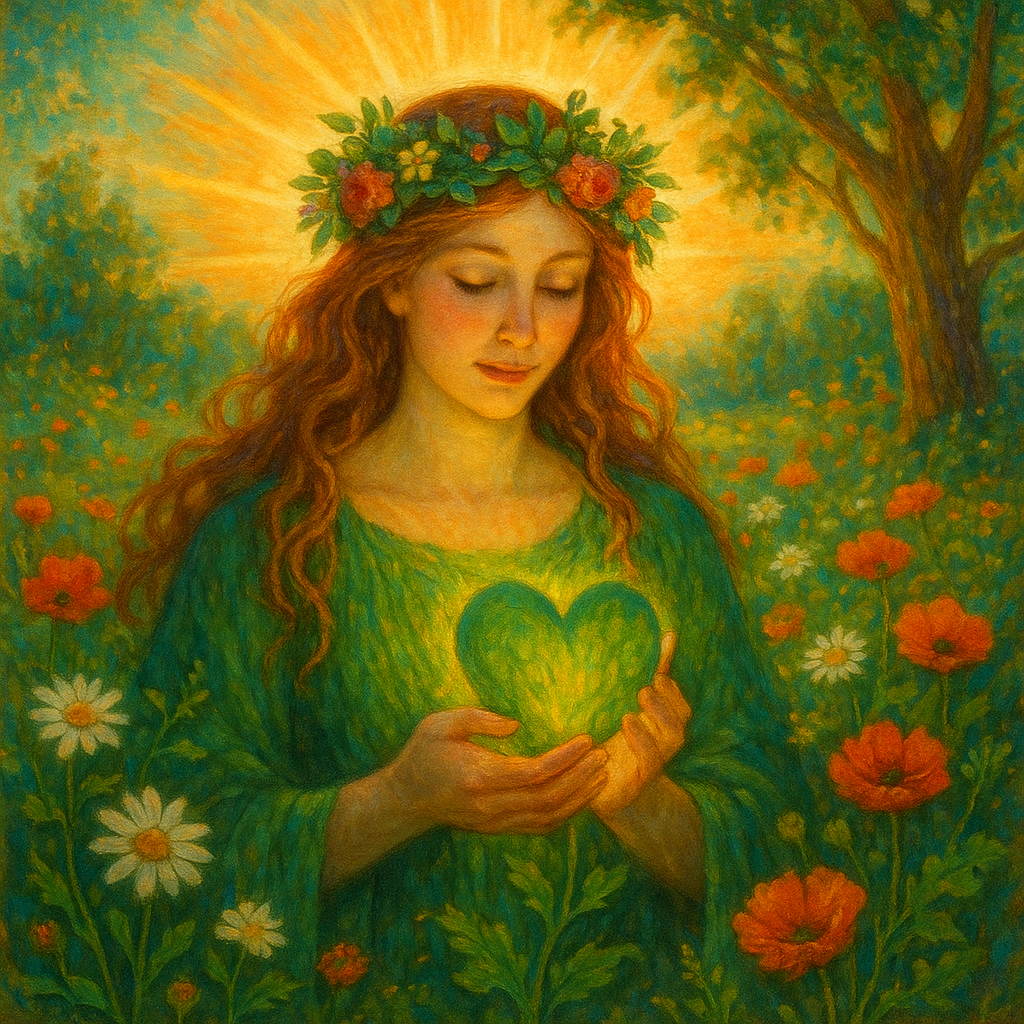
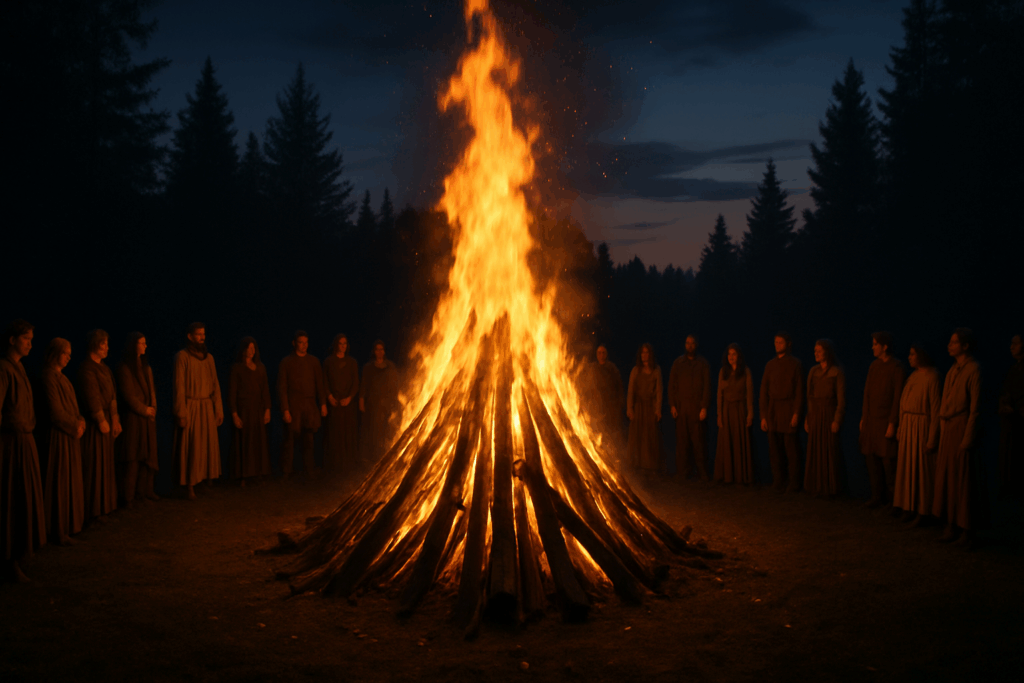
After the revels in the fields and forests, after the laughter of the Green Man and the whispering songs of the Meadow Queen, the wheel of May turns inward once more. The wild fires of Beltane have danced in the open night, and now it is time to carry their sacred warmth home. On May 8, we honor The Hearth’s Renewal — a day for kindling the inner flame, cleansing the home with Beltane’s lingering light, and weaving the energy of passion and renewal into the spaces that hold our daily lives.
The hearth has always been the heart of the home — the place of warmth, nourishment, and continuity. In ancient times, it was the household’s sacred center, a physical link between the human world and the divine. Every family’s hearth was a microcosm of the cosmic fire — the Sun’s reflection on Earth. It was never allowed to go cold without purpose, for to let the fire die was to invite stagnation. The goddess of the hearth, in many cultures, was among the most revered. The Celts had Brigid, radiant patroness of flame and craft; the Greeks had Hestia, keeper of sacred fire; the Romans, Vesta, whose temple flame burned eternally for the life of the city. Though the days of temple fires have faded, the spirit of the hearth still burns wherever warmth, nourishment, and love gather.
The Hearth’s Renewal is an act of bringing the outer world’s magic back within. After the outward passion of Beltane — of bonfires, maypoles, and union beneath the stars — we now turn that energy toward our personal sanctuaries. The celebration of life must be anchored in the places where life is lived. The home, like the body, is a vessel for spirit. When it is blessed, cleansed, and renewed, it becomes not merely a shelter but a living altar, radiating peace and abundance.
Begin this day with quiet mindfulness. Open the windows if the weather allows, letting in fresh air and the scent of green things. This is not simply about cleaning — though cleaning is sacred in itself — but about awakening energy. As you sweep, dust, or wash, imagine that you are clearing away not only dirt but also the residue of heaviness and old patterns. The energy stirred during Beltane is vibrant and alive; it must have space to flow. Every movement of your hands can be a spell, every act of tidying a ritual of release. Whisper as you work:
“Old fires fade, new light begins,
From ash to flame, my home renews within.”
When your space feels open and refreshed, light a candle — the new hearth fire. If possible, use flame from a previous Beltane candle or a fire blessed during the festival, symbolically carrying the sacred spark home. Place it in the heart of your home — on your altar, your kitchen table, or wherever your household gathers most. As it burns, envision its warmth spreading outward, touching every corner with golden light. This is your home’s renewal — the marriage of outer fire and inner peace.
You may choose to anoint the thresholds of your home with water infused with herbs sacred to both Brigid and Beltane — rosemary, thyme, basil, or even wildflowers gathered in joy. Move clockwise through each room, tracing small spirals of blessing at doorways or windows, saying:
“By flame and flower, by hearth and heart,
May love and life in this place never part.”
This ritual invites the fertile, creative energy of May into your home, not as a fleeting celebration but as an enduring presence. Beltane’s fire, now softened into hearthlight, becomes a source of ongoing vitality. It nourishes the spirit of family, creativity, and joy.
In pagan tradition, the hearth also represents the balance of masculine and feminine energies within the home — the spark and the vessel, the fire and the hearthstone. To tend your hearth is to tend this balance. It reminds us that passion and peace are not opposites but phases of the same flame. Beltane’s fire teaches us to embrace life; the hearth’s renewal teaches us to sustain it. Together, they form the rhythm of creation: ignition and nurture, expansion and rest.
Take time today to bless not only the space but also the people and energies that dwell within it. If you live alone, this may mean honoring yourself — the one who keeps the hearth. Prepare a meal with intention, stirring in love and vitality with each movement of the spoon. Eat slowly, savoring the connection between food and flame, between nourishment and gratitude. If you share your home, invite others to join in a simple act of blessing — lighting candles together, sharing affirmations, or expressing appreciation for one another. The hearth’s renewal is a communal act; it binds hearts as surely as it warms hands.
Another beautiful practice for this day is to create a Hearth Charm — a small talisman that embodies the protection and vitality of your home’s sacred fire. Gather small items that symbolize warmth and growth: a sprig of rosemary for cleansing, a pinch of salt for protection, a piece of sunstone or amber for life-force, and a ribbon in red or gold for fire’s essence. Bind them together with twine, speaking blessings as you do, then hang the charm near your stove, fireplace, or main door. This charm acts as both a spiritual and energetic guardian, reminding all who enter that this home is a place of light.
Spiritually, May 8 also encourages reflection on sacred domesticity — the holiness of ordinary acts. The pagan path does not separate the mystical from the mundane. The stirring of soup, the making of a bed, the folding of linens — all can become rituals when done with awareness and love. The hearth’s renewal is not about grand gestures; it is about infusing daily life with Beltane’s spark. The Goddess and God dwell not only in groves and mountaintops but in kitchens and gardens, in laughter shared over a meal, in the warmth of a single flame in the dark.
This day may also be used for divination and intention-setting. Sit near your hearth or candle and meditate on what you wish to cultivate through the coming summer months. Ask the flame what it needs to thrive — both in your home and within yourself. You may scry in the firelight or simply allow your intuition to speak. The hearth, after all, is the oracle of the household — a sacred mirror of the inner and outer worlds.
If tension or sorrow lingers within your space, this is the day to release it. Write any burdens or conflicts on small scraps of paper and feed them to the flame, watching as smoke transforms them into offerings for renewal. Fire purifies but also transmutes — it gives back warmth even as it consumes. Speak blessings aloud as the paper burns:
“What is heavy, I release.
What is bright, I invite.
By hearth and flame, all is made right.”
By evening, your home will feel different — lighter, warmer, alive. The hearth’s renewal transforms more than space; it transforms the heart. You may notice that your thoughts grow calmer, your energy steadier, your sense of belonging deeper. The fire, once external, now lives within the rhythms of your home.
May 8 reminds us that all sacred festivals eventually return to the hearth. The wildest dance must end at the fireside; the most radiant light must have a place to rest. It is through this return that magic becomes real — not as fleeting ecstasy, but as lived grace. Beltane’s energy, anchored through gratitude and care, becomes the quiet power that sustains love, creativity, and joy through all the days to come.
So as the evening deepens, tend your flame once more. Watch its glow reflect upon the walls, upon the faces of those you cherish, upon your own hands. Whisper thanks — to the fire, to the Earth, to the turning wheel. For as long as the hearth burns, life endures, and the spirit of Beltane continues to shine — not only in celebration, but in the gentle, daily miracle of being home.