🔥 May 7 – Song of the Meadow QueenWorking with fae and flower spirits in gratitude

By May 7, the Earth herself has become a song — a vast symphony of bees, blossoms, and bright green growth. The fields ripple like oceans of emerald, dotted with the gold and white of buttercup and daisy, the violet whispers of wildflowers whose names few now remember. The air is alive with the hum of wings and the perfume of pollen, each breath tasting faintly of honey and sunlight. On this day, we turn our hearts to the subtle realms that dance between petal and breeze — to the Meadow Queen and her kin, the spirits of the flowers and the fae who weave unseen threads of magic through the tapestry of the world.
The Meadow Queen is not one being but an archetype — the embodiment of the spirit of flowering things. She is the guardian of meadows, the mistress of pollinators, the gentle yet potent energy that awakens color, scent, and beauty in the Earth’s canvas. In some traditions, she is an aspect of the May Queen herself, stepping forth after Beltane to nurture what passion has sown. In others, she is kin to the fae — a regal presence among the hidden folk who dwell in the wild grass, ensuring harmony between worlds. Her song is the hum of life itself — soft yet irresistible, guiding the dance of bee and blossom, of growth and gratitude.
To work with the Meadow Queen and her flower spirits is to walk lightly, to listen deeply, and to remember the sacredness of gentleness. The fae — the hidden ones, the fair folk, the spirits of place — are not distant myth. They are the subtle intelligences of nature, the animating consciousness that dwells within every living thing. When the wind stirs the grass and you feel a shiver of joy for no reason, that is their touch. When a blossom seems to tilt toward you, or a bird’s song feels like an answer, you are hearing their language. The fae realm is woven through this one, existing not above or below but beside, shimmering just beyond ordinary perception. To commune with it requires respect, gratitude, and an open heart.
This day invites us to deepen our relationship with these unseen allies. After the fires and feasting of Beltane, after the laughter of the Green Man, May 7 calls for quiet wonder — for honoring the small, the delicate, the subtle. It is a day for walking barefoot through meadows and gardens, for speaking softly to the flowers and listening to what they whisper in return. It is said that those who move gently and with gratitude may catch a glimpse of the fae on days like this — a flicker of light, a brush of warmth, a fleeting shimmer at the edge of vision. But more important than sight is feeling. You will know their presence when your heart feels suddenly full — when joy wells up unbidden, like sunlight through the leaves.
The Meadow Queen teaches gratitude through beauty. Every blossom is a gift, a labor of love between Earth and Sun. To pause and truly see a flower — to study its form, its scent, its impossible perfection — is to practice devotion. The fae thrive in such attention, for to notice beauty is to feed the magic of the world. In a time when so much is hurried and unseen, the act of noticing becomes sacred. The Meadow Queen’s song is an invitation to slow down, to live in awe, to remember that enchantment is not a relic of the past but a reality that blooms wherever wonder takes root.
You may honor her through offerings of sweetness — honey, milk, fresh water, or even a simple handful of wildflowers placed upon the earth. But more than offerings, she desires authentic reverence — a grateful heart, a kind word to a bee, a promise to care for the living world. The fae do not measure wealth in gold or incense but in sincerity. When you pour a libation for them, do so with intention, and always leave it outside, beneath sky or branch, where they can accept it freely. Whisper your gratitude for the beauty that surrounds you — for the flowers, the grasses, the unseen hands that weave it all together.
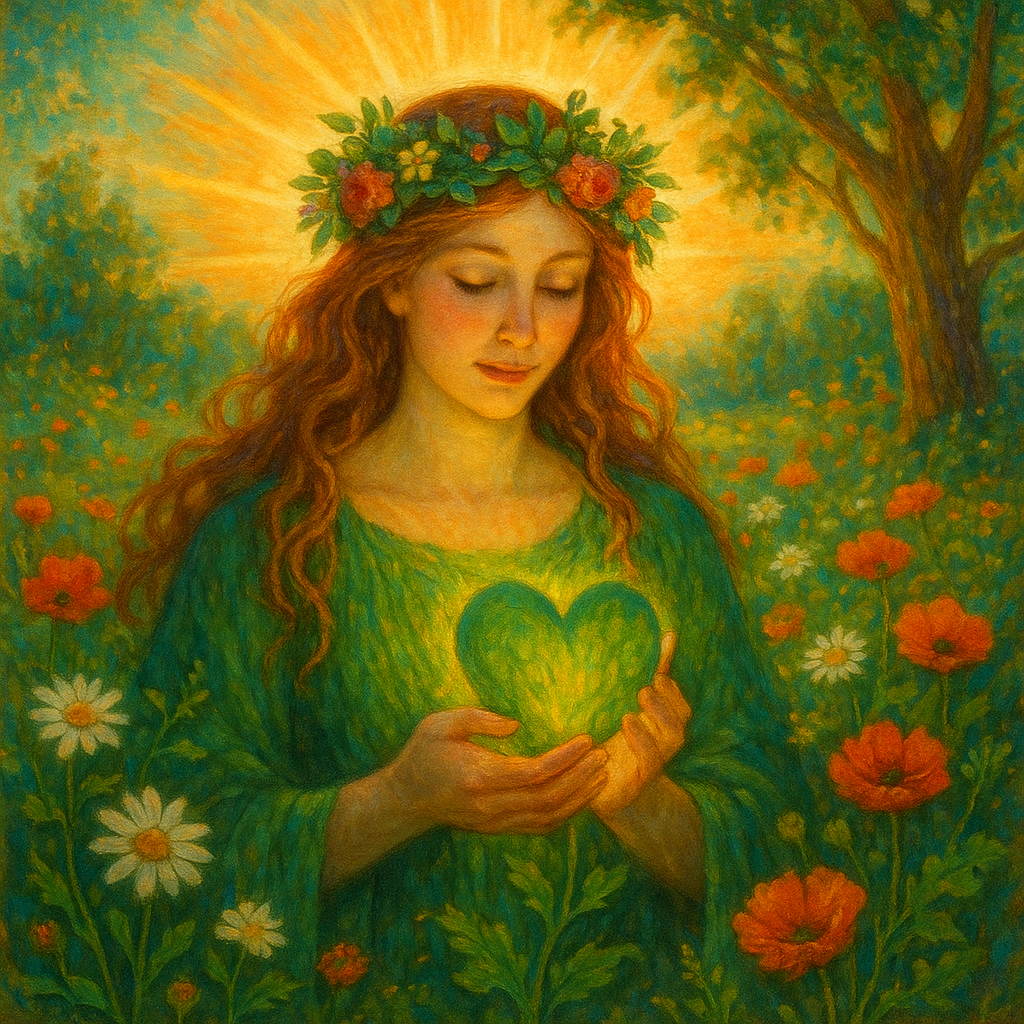
To attune to the Meadow Queen’s energy, find a quiet outdoor place — a field, a garden, even a patch of wild grass by the roadside will do. Sit upon the earth and close your eyes. Feel the hum of life beneath you — the roots stretching, the insects stirring, the wind moving like breath across the land. Imagine this energy rising up to meet you, soft and shimmering. See, in your mind’s eye, a figure woven of light and bloom — crowned with petals, robed in green, smiling with eyes full of dawn. This is the Meadow Queen, the spirit of spring’s gentle abundance. Greet her not as a distant goddess but as a friend long unseen. Thank her for the beauty she tends, for the sweetness she allows the world to taste.
Then listen. The fae and flower spirits speak not in words but in impressions, in feelings, in synchronicities. Perhaps a breeze will stir, or a bird will call at just the right moment. Perhaps you will think of something you’ve long forgotten — a childhood memory of lying in the grass, of feeling the world breathe with you. That is her gift: the remembrance that you are part of this living web, not separate from it.
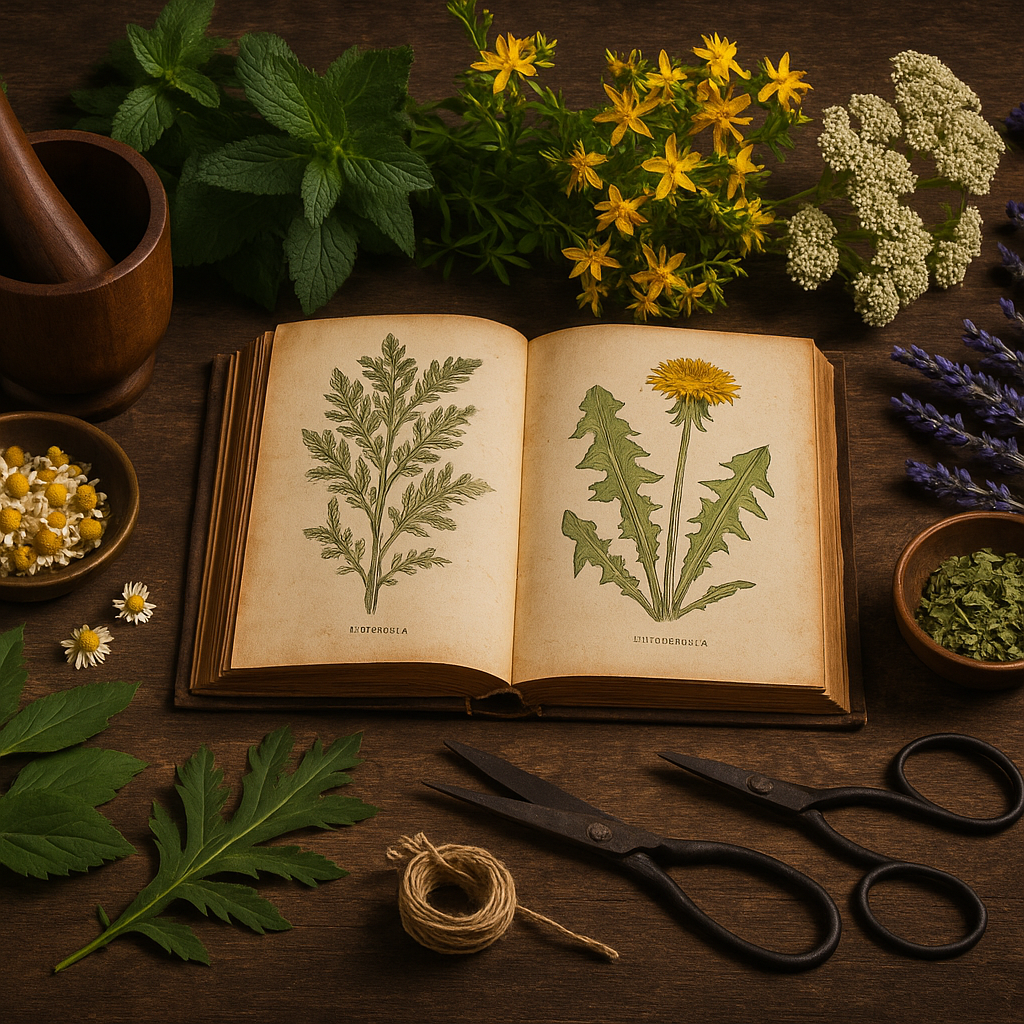
May 7 is also a day of healing. The flower spirits are potent allies in both magical and emotional restoration. Each carries its own vibration, its own song. Rose brings love and comfort; violet soothes grief; daisy restores innocence and clarity; lavender brings peace; dandelion strengthens resilience. When we work with these spirits, we are not merely using herbs — we are entering into relationship. In old traditions, healers would always ask permission before harvesting, offering thanks or song in return. The Meadow Queen reminds us that this exchange must continue. Before plucking a flower or leaf, pause and connect. Offer gratitude. In doing so, you align yourself with the natural flow of give and take that sustains life.
For those who practice witchcraft or nature-based spirituality, this day offers fertile ground for gentle spellwork — particularly those rooted in love, healing, creativity, and communication with the natural world. You might craft a small charm from flower petals and green thread, imbuing it with your gratitude and intentions. Or you might create floral water by soaking blossoms in spring water under sunlight, then using it to bless your home or altar. The Meadow Queen’s energy blesses any act born of appreciation and care.
Yet, she also teaches boundaries — for the fae, like nature itself, are not all sweetness. They demand respect. Never take more than you need. Never make promises you cannot keep. The Meadow Queen smiles on those who walk gently and punishes only those who tread carelessly upon her domain. Her laughter, when heard, is as soft as a bell and as sharp as wind through thorns — a reminder that beauty and power are never separate.
As evening falls, and the last light turns the fields to gold, you might offer a final act of gratitude. Stand among the flowers and sing — not for performance, but for communion. Hum softly, letting the sound vibrate through you and into the air. This is the “song of the Meadow Queen” — the voice of human and Earth joined in joy. You may not hear her reply with your ears, but your heart will know.
This day, May 7, is about restoring harmony through gratitude. It is about remembering that every living thing, seen and unseen, contributes to the beauty and balance of the world. The fae are our mirrors — they reflect how we treat the land, the animals, the small things. When we approach them with reverence, they bless us with abundance and inspiration. When we forget, they withdraw, and the world seems duller for their absence.
So walk gently today. Speak kindly to the flowers. Leave a little sweetness by your door or windowsill. The Meadow Queen walks among us when we remember to give thanks. Her song is the hum of life renewed, and when you tune your heart to it, you too become part of the melody — the eternal song of gratitude that keeps the world in bloom.