🔥 May 12 – Witchcraft of the WildflowersMagic of petals, color, and scent in spellcraft

By May 12, the fields and meadows are in full song. The air hums with bees and the scent of blossoms; wildflowers spill their colors like sacred runes across the landscape. Each petal seems to hold a spark of sunlight, each stem a whisper of the Earth’s pulse. It is on this day that the wise witch, the green spirit, and the lover of the land pause to listen — to the hum of life, to the quiet teachings of bloom and fragrance, to the subtle currents of power flowing through the humble beauty of flowers. This is the day of Witchcraft of the Wildflowers, when we honor the living magic of color, scent, and form — the alchemy of nature that has inspired enchantment since the first dawn.
The Sacred Language of the Wildflowers
Every flower speaks a language — one that predates human speech and yet is perfectly understood by the soul. Their hues are more than aesthetic; they are vibrations of energy, each one a spell in itself. Red pulses with passion, courage, and life-force. Yellow radiates joy, intellect, and solar blessings. Blue soothes and opens the mind to intuition. White purifies, unites, and lifts the spirit toward the divine. Purple deepens the mystery, calling forth insight and magic. Green — though found in every stem and leaf — is the constant note of balance, healing, and connection.
In the witch’s path, these colors are not arbitrary symbols but living energies. To work with wildflowers is to weave with light — to gather the rays of the Sun as they manifest through the artistry of the Earth. Each blossom is a spell already in bloom. When we harvest or tend them, we are not taking power from them but entering into partnership. The witch does not command nature; she collaborates with it.
The Magic of Scent and Breath
Fragrance is the soul of a flower — its unseen voice. When we inhale the scent of lavender, rose, or honeysuckle, we are not merely experiencing aroma; we are communing with the essence of that plant’s spirit. Ancient healers understood that scent could move between worlds, bridging body and soul, mortal and divine. This is why incense, oils, and floral waters have always held such prominence in magic and ritual.
Each scent carries a vibration that aligns the human spirit with a specific frequency of energy. Rose awakens the heart, jasmine opens sensuality, chamomile calms the spirit, and mint clears the mind. Even the humblest wildflowers — clover, violet, dandelion — offer medicine through scent and essence. When the witch breathes deeply among blossoms, she is not simply smelling; she is aligning her breath with the breath of the world.
Try this practice: find a patch of wildflowers — even if only a small corner where daisies grow stubbornly through cracks of pavement. Sit among them and breathe in slowly, letting the scent fill you. With each breath, imagine your spirit expanding like petals opening to the Sun. As you exhale, offer gratitude — your own breath returning as nourishment for the Earth. This is the simplest, truest flower magic: exchange and reverence.
Petal and Spell: Working with Flower Magic
Wildflowers are some of the most generous allies in the craft, for they are the Earth’s spontaneous blessings. Unlike cultivated blooms, they grow where they are needed most — in forgotten fields, in cracks of stone, at the edges of roads. They are the witches of the plant world: resilient, untamed, and full of power precisely because they are free.
Each wildflower carries its own energy and wisdom. Here are a few of their sacred correspondences, passed down through folk magic and intuition:
- Dandelion: Wishes, divination, resilience, transformation. Its golden head follows the Sun, and its seed fluff carries dreams on the wind.
- Violet: Humility, hidden strength, and spiritual insight. The violet teaches that true magic often grows in the shadows.
- Daisy: Innocence and joy. A child’s flower, reminding us to laugh freely and see with wonder.
- Buttercup: Radiance and self-worth. It restores confidence and shines light where we have dimmed ourselves.
- Bluebell: Communication with the fae and protection of sacred spaces. Its gentle chime calls spirits of peace.
- Clover: Luck, abundance, and sacred trinity. Each leaf a charm of body, mind, and spirit united.
- Primrose: Doorway to the Otherworld. Used in Beltane rites to invite faery blessings and new beginnings.
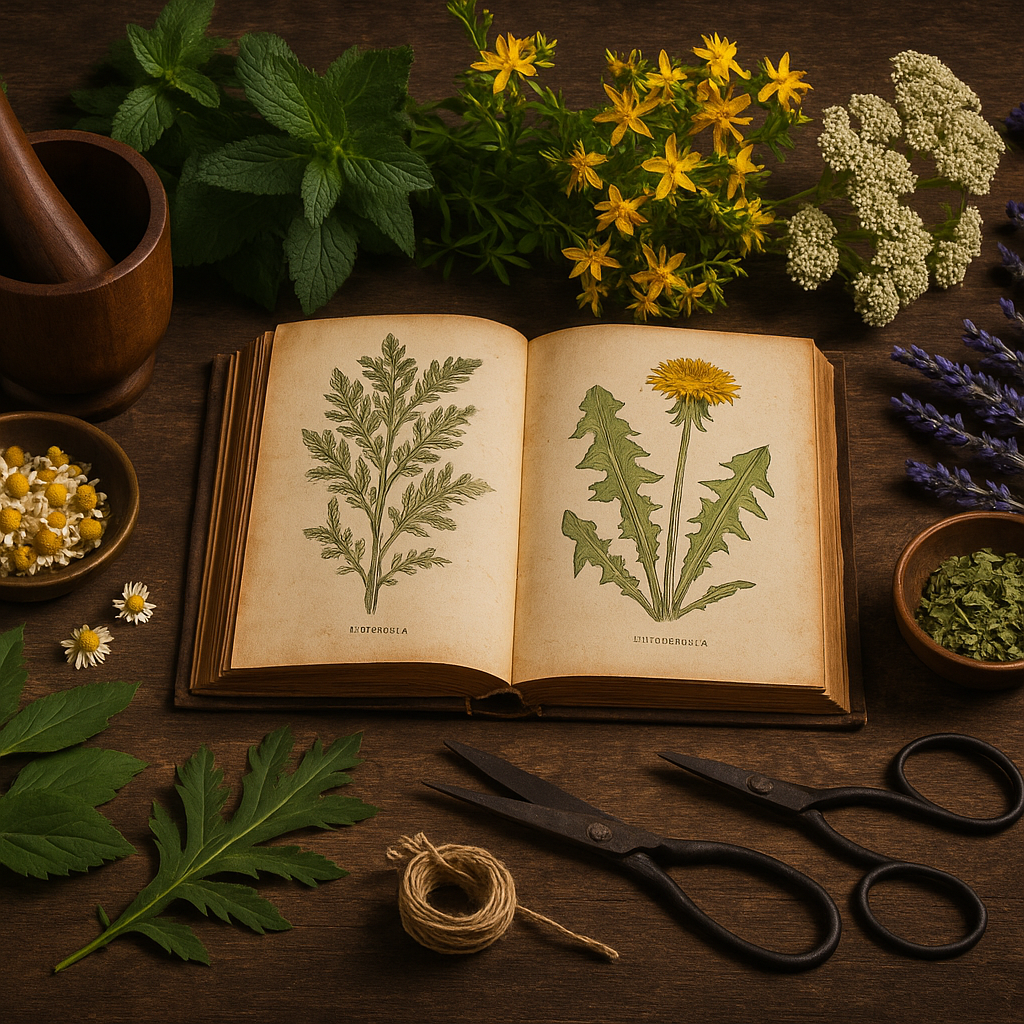
To create a wildflower charm, gather a few blooms that call to you and lay them upon a small square of cloth. As you arrange them, speak your intention — joy, healing, courage, love. Fold the cloth inward, tying it with twine or ribbon while repeating your wish. This charm can be carried with you, placed upon your altar, or buried beneath a tree when its work is complete.
For a flower blessing spell, fill a bowl with fresh water and scatter petals upon its surface. As they float, whisper prayers of gratitude for the blessings already in your life, naming them aloud. Then add new intentions, as though planting seeds within the water. When you are finished, pour the water onto the ground as an offering — your words given to the Earth to manifest in their own time.
Color as Energy in Spellcraft
To deepen the magic of wildflowers, consider the power of color. In witchcraft, colors are energy made visible, and flowers are the natural vessels of that light. When crafting spells, the color of a flower can amplify intention:
- Red flowers for courage, vitality, passion, and love spells.
- Orange blossoms for creativity, joy, and sacred sexuality.
- Yellow petals for success, clarity, and confidence.
- Green blooms and leaves for growth, abundance, and healing.
- Blue and purple flowers for intuition, psychic vision, and spiritual communication.
- White flowers for purification, new beginnings, and truth.
- Pink blossoms for self-love, harmony, and tenderness.
Even a single petal, placed on an altar or burned with incense, carries immense energy. The witch knows that power lies not in quantity but in intent — and that the smallest flower can shift the vibration of an entire room when treated as sacred.
The Ethics of Gathering
Working with wildflowers also teaches humility and stewardship. Before harvesting, always ask permission from the land or the spirit of the plant. Place your hand over it and listen inwardly; you will feel the answer. If granted, take only what you need and never from rare or struggling species. Leave an offering — a strand of hair, a song, a whispered blessing. The true witch never takes without giving. This reciprocity sustains the balance between human magic and nature’s grace.
Remember also that not all flower magic requires plucking. Observing, sketching, or simply sitting among blooms is often more potent than taking them. The magic flows strongest through appreciation, not possession.
The Inner Wildflower
The wildflowers also mirror the human spirit. They bloom without permission, thrive in adversity, and carry beauty born of resilience. To practice witchcraft of the wildflowers is to honor that same wildness within yourself — the part of you that refuses to be tamed, that blossoms in unexpected places. The magic of flowers is not about perfection but authenticity. No two blooms are alike; each grows according to its own rhythm, responding to sun, soil, and storm. So too do we.
You might meditate upon this truth today: that you, too, are a wildflower in the garden of the world. What color is your spirit? What scent does your soul carry? What season do you thrive in? The answers to these questions are spells in themselves, guiding you toward self-knowledge and harmony with the cycles of life.
Closing the Circle
As twilight descends, light a candle of any color that feels right, and place it beside a small bouquet of wildflowers. The flame and the blossoms are partners — fire and Earth, energy and form. Sit quietly and let the scent of the flowers fill the air, their beauty reflecting in the candle’s glow. Whisper softly:
“By petal and flame, by scent and hue,
I weave my magic pure and true.
In every flower, the world’s heart beats,
And through its beauty, spirit speaks.”
Let the candle burn as long as feels right, then snuff it out with gratitude. The spell is complete — not ended, but rooted, like a seed waiting to bloom again.
On this day, May 12, the witch walks not in shadow or storm but in sunlight and fragrance, weaving magic with every breath. The wildflowers remind us that enchantment is not found in grand rituals alone but in the simple act of noticing — of seeing the divine reflected in each living color. When we align our craft with nature’s art, our lives themselves become spells of beauty, balance, and belonging.