
🌾 July 28 – The Sun’s Last Feast

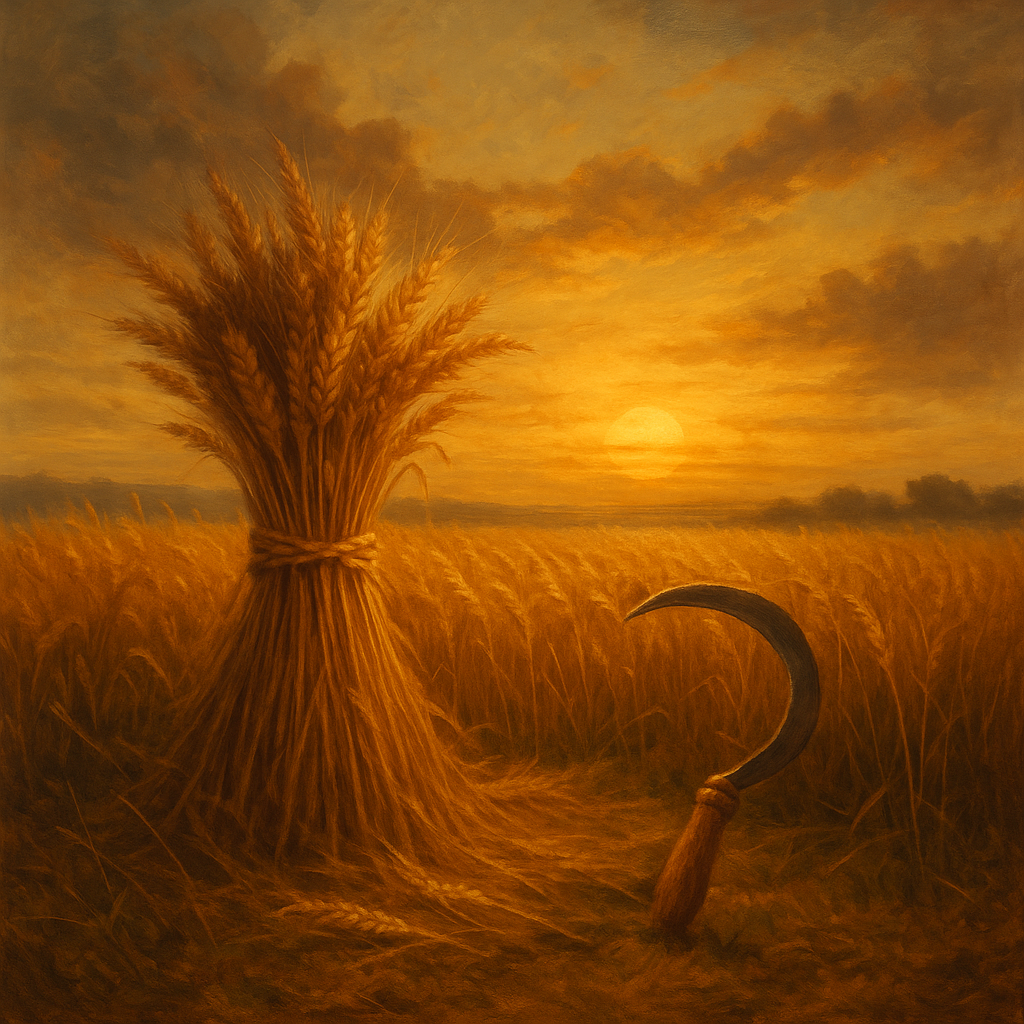
Offering Thanks Before the Turning Toward Harvest
By the twenty-eighth of July, the height of summer begins to lean gently toward its close. The days, though still long, carry a mellow warmth, and the evenings deepen earlier into gold and shadow. The wheat ripens fully, fruits sweeten on their vines, and the Earth seems to exhale in contentment. This is the time of The Sun’s Last Feast — a day to honor the radiance that has carried us through the year’s zenith and to give thanks before the reaping begins. It is the final banquet of pure light, a celebration of all that the Sun has nourished and an acknowledgment that even brilliance must one day rest.
The Sun, in Pagan tradition, is more than a celestial body. It is the living heart of vitality, the eternal fire that sustains all life. It is the divine force of illumination, courage, and joy — the visible face of spirit in the sky. Yet, just as every cycle of day yields to night, the Sun too has its moment of descent. The Sun’s Last Feast marks the transition from blazing strength to reflective grace. It is not a mourning, but a thanksgiving — a recognition of the sacred balance between fullness and decline. The feast reminds us that gratitude is the bridge between abundance and endurance, that to give thanks at the height of plenty is to ensure that life’s wheel continues in harmony.
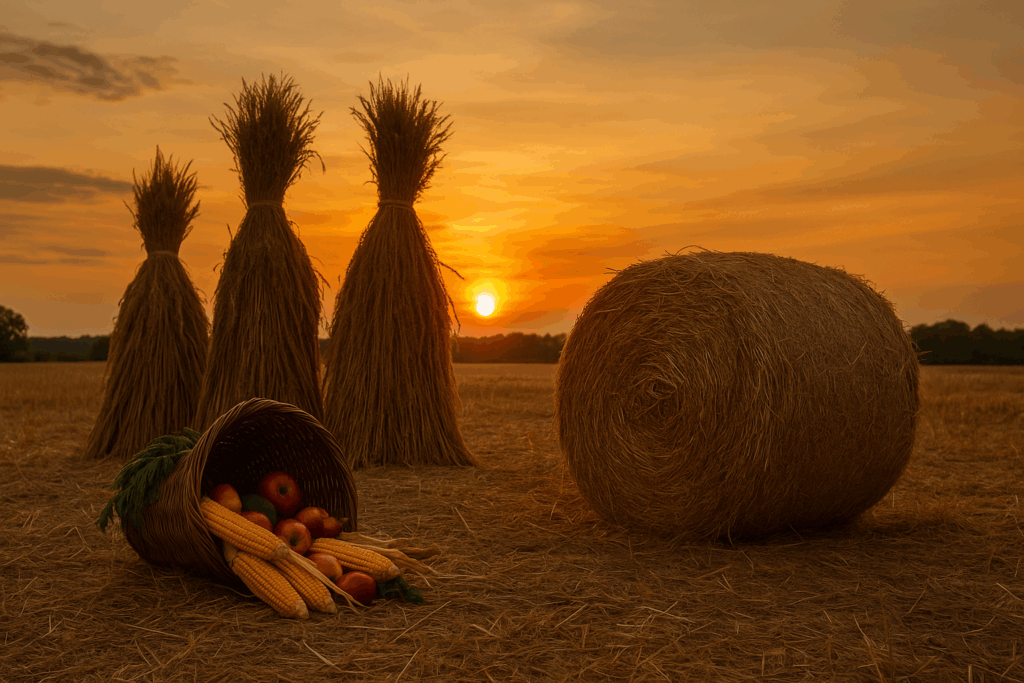
To prepare for the Sun’s Last Feast, begin by gathering foods that embody the Sun’s energy: golden fruits, freshly baked bread, roasted grains, and mead or wine. Decorate your table with symbols of summer’s abundance — sunflowers, candles, corn, and herbs like basil and rosemary. This feast can be shared with family, friends, or observed alone in contemplation. What matters most is the spirit of offering — that the meal becomes an altar of gratitude.
Before the feast begins, pause in silence. Light a central candle or small bonfire to represent the Sun itself. As its flame dances, say:
“Bright one, giver of life, I honor your golden gift. Through your fire I have grown, through your light I have seen. I give thanks for the warmth, the harvest, and the joy you bestow.”
Take a moment to reflect on what the season has brought you — the efforts that have borne fruit, the lessons learned, the joys shared. The Sun’s energy has touched every part of your life, seen and unseen. Speak these blessings aloud, or simply hold them in your heart.
Now begin your meal, eating slowly and mindfully. Each bite is an act of communion with the Sun — its warmth captured in the plants and grains that fed you. Between bites, offer a small piece of food or a sip of drink to the flame, saying:
“As you have given, so do I return. May balance be kept, and life renewed.”
This symbolic offering acknowledges the reciprocity at the heart of Pagan spirituality — that what we take from the world must be matched with reverence and return. The feast becomes a dialogue between giver and receiver, human and cosmos.
If you wish to deepen the ritual, you may create a small Sun’s Offering Plate. On it, place small portions of each dish from your meal, arranging them in a circle around a candle. As you eat, visualize golden light flowing from the flame into the food, blessing it with the Sun’s essence. Afterward, take this plate outside and leave it for the spirits of nature, whispering:
“To the life that sustains me, to the light that guides me — I offer my gratitude. May the flame within and without burn bright until we meet again.”
In many old traditions, the end of July marked the beginning of the Sun God’s symbolic sacrifice. Whether known as Lugh, Ra, or Apollo, the Sun’s divinity would soon pass into the grain and the fruit — dying so that others might live. The feast honors this sacred exchange, reminding us that creation and surrender are not opposites but partners. To celebrate the Sun’s Last Feast is to honor the moment before transformation — the ripened stillness before the harvest blade falls.
You may wish to include a symbolic gesture of release during your celebration. Write on a small piece of parchment something you are ready to let go of — an old habit, burden, or belief that no longer serves your growth. Fold it carefully, hold it to your heart, and say:
“As the Sun descends, so too do I release what dims my light. I make room for renewal.”
Then, with care, burn the parchment in the flame of your candle or fire, watching the smoke rise as an offering of freedom.
Afterward, take a few moments for quiet reflection. Feel the warmth of the candle on your face, the echo of summer’s radiance still alive in your skin. The Sun’s presence does not fade; it transforms — from outward blaze to inward glow. In this way, The Sun’s Last Feast becomes not an ending, but a shift of awareness — from the external to the internal, from activity to contemplation.
This day’s energy is perfect for magic of gratitude, renewal, and inner illumination. Anoint yourself with oil infused with calendula or chamomile, whispering:
“As above, so within. The Sun burns in my soul.”
Carry that light into the coming days as the year begins to tilt toward harvest.
In the mythology of the seasons, the Sun’s Last Feast also mirrors the transition of the divine masculine — the Sun God now prepares to yield to the Earth Mother, whose bounty will soon be gathered. The dance between their energies shifts: his fire becomes the seed that dies and is reborn in her soil. This sacred union is not loss, but fulfillment. When you honor the Sun’s waning, you honor the eternal cycle of life, love, and rebirth.
If celebrating in community, end your feast with a shared toast. Raise your cups high and say together:
“To the Sun that lights the world and the fire that lights our hearts — we give thanks!”
Then pour the final drops of your drink onto the ground, returning a portion to the Earth in gratitude.
As twilight falls and the first stars emerge, sit quietly by your dying fire or candle. Watch as its light softens, flickers, and fades into the dusk. In that gentle dimming lies a deep peace — the understanding that endings are only beginnings in disguise. The Sun will rise again, the fields will yield their harvest, and the flame of life will continue to burn, even in the quiet of shadow.
Whisper one final prayer:
“Golden one, I honor your passage. Burn bright within me until you rise again. I feast with gratitude, I rest with peace, I live in your eternal light.”
Let the embers glow, knowing that in their warmth, the promise of dawn already sleeps. The Sun’s Last Feast is not farewell — it is a benediction, a song of thanks carried on the summer wind.
Responses