
🌾 July 16 – Ritual of the Ripening Grain

Acknowledging the Sacred Labor of Growth and Time
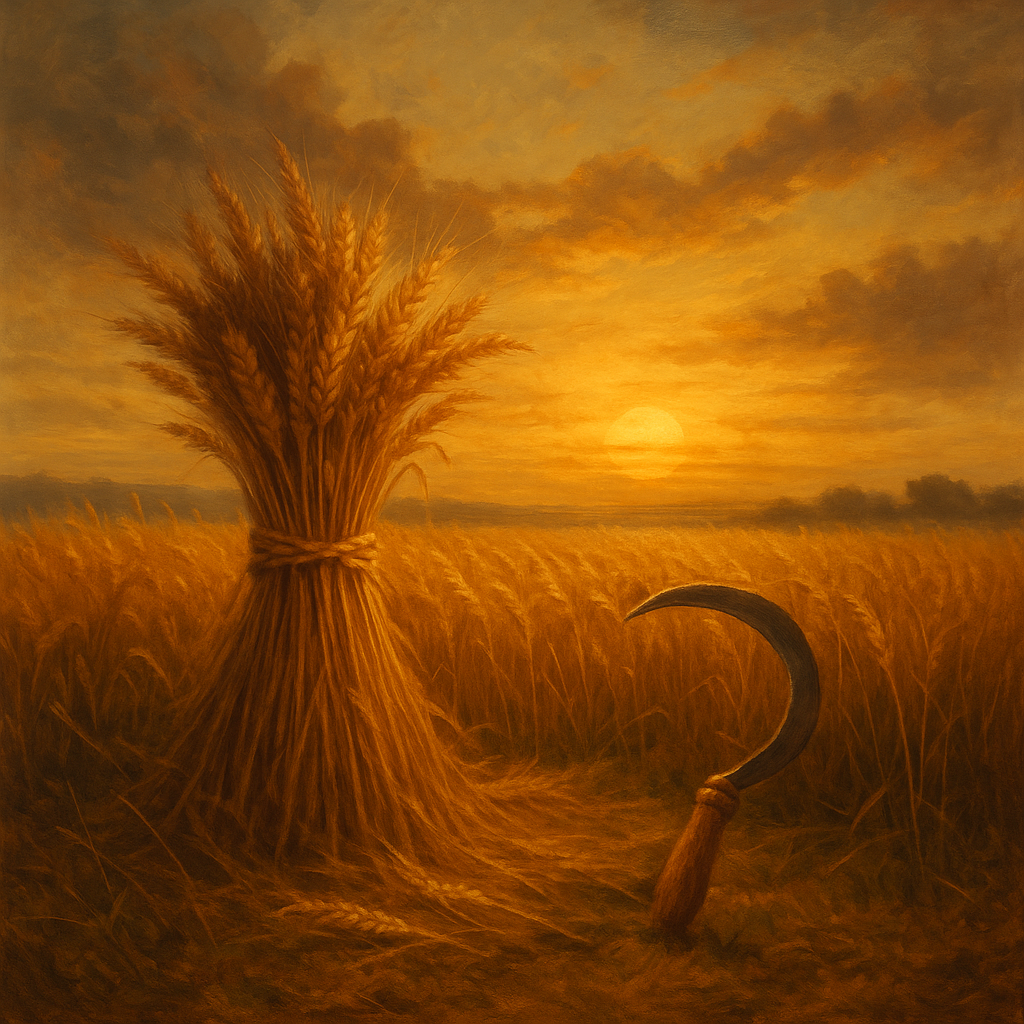
By the sixteenth day of July, the grain fields stand tall — heavy-headed and golden-green beneath the blazing summer sun. The air shimmers with heat, and the scent of ripening life drifts on every breeze. This is the moment between becoming and completion, the quiet stretch before the first scythe meets the stalk. The Ritual of the Ripening Grain honors this sacred pause, the living embodiment of patience, time, and trust. It is a celebration of growth — not yet harvested, but nearly fulfilled — and a recognition of the unseen work that sustains all creation.
The ripening grain teaches a wisdom that is as old as the soil itself: that growth is a process of endurance and grace. Every stalk that waves in the midsummer wind carries within it the memory of seed, sun, and rain — the gifts of elements working together in harmony. In this time of abundance, it is tempting to rush toward harvest, to seek the tangible rewards of our labor. Yet the Earth whispers: “Wait.” Ripening cannot be forced. True fruition comes when the moment is right, when the balance of warmth, light, and nourishment has completed its perfect pattern. To perform the Ritual of the Ripening Grain is to step into that rhythm — to honor patience as an act of devotion, and to acknowledge the holiness of preparation.
In ancient Pagan agrarian societies, this phase of summer was treated with reverence. The people would walk the fields at dawn, offering prayers to the spirits of fertility and the guardians of the crops. Offerings of milk, honey, or bread were left at the edge of the fields, along with whispered songs of thanks. The Celts called upon the Corn Mother and the Green Man; in Mediterranean lands, Demeter and Ceres were praised for watching over the growing harvest. The ritual was not only for the plants but for the people — a reminder that the same forces that ripen the grain also ripen the soul.
To begin your own ritual, find a place where you can see the fullness of the season — a field, a garden, or even a single pot of grain or grass on a balcony. Bring with you three small offerings: a pinch of salt to honor the labor of the body, a small bowl of water for the nourishment of spirit, and a piece of bread or grain to symbolize the promise of abundance. Before you begin, stand still and breathe deeply. Feel the heat of the Sun on your skin and the pulse of life in the air. The world is alive with waiting — the moment before transformation.
Kneel or sit on the ground and place your offerings before you. Say aloud:
“Spirit of the Grain, keeper of patience and promise, I honor the work that ripens within you. As you grow toward harvest, may my own labors mature in wisdom and grace.”
Sprinkle the salt upon the earth, pour the water slowly beside it, and lay the bread in between. Each offering represents one part of the great cycle: salt for effort, water for nurture, and bread for fruition. As you make your offerings, visualize the grain fields surrounding you glowing with golden light, each stalk shimmering with quiet strength.
Now, close your eyes and imagine the journey of a single grain from seed to stalk. See it sleeping in the dark soil, cradled in stillness. Then imagine the first sprout breaking through, stretching toward the light. Picture the rains falling, the winds brushing its tender blades, the days passing in warmth and care. See how it grows — slow, steady, unhurried — until it becomes strong and full. This visualization is a mirror for your own growth. Consider what in your life is still ripening. What dreams, goals, or transformations are not yet ready to harvest, yet are growing steadily in the sunlight of your intention? Allow gratitude to arise for the stage you are in.
The Ritual of the Ripening Grain also calls for the acknowledgment of labor. Nothing ripens without effort. Behind every harvest lie countless acts of care — sowing, watering, weeding, watching. In the same way, the fruits of our lives come from both our toil and our trust. During this ritual, it is appropriate to bless the hands that have worked for your sustenance, whether they are your own or those of others. Rub a small amount of oil or honey onto your palms and say:
“These hands, instruments of growth and creation, I bless with the strength of the Sun and the patience of the Earth. May they bring forth good works in their time.”
This simple anointing grounds your gratitude in action, acknowledging both the physical and spiritual labor that sustains your path.
If you wish, you may also incorporate the element of sound. As wind moves through the grain, it creates a song — a natural hymn of abundance. Stand in the breeze and listen. Hear the rustling as the voice of the land itself. If the air is still, hum softly or use a rattle to mimic the sound of swaying stalks. This rhythm is a form of prayer, aligning your heartbeat with the pulse of the Earth’s growth.
In magic, this day’s energy is ideal for spells of patience, long-term success, and endurance. It favors workings that support slow but steady progress, such as growing prosperity, cultivating love, or healing that unfolds over time. Use grains like wheat, oats, or barley in your spellcraft. Hold them in your hands and whisper your intentions, then bury them in soil or place them on your altar to charge with solar light. These grains, infused with your will, act as living talismans of ripening — reminders that what you nurture faithfully will come to fruition in its season.
The Ritual of the Ripening Grain also invites reflection on the passage of time. Every stalk of grain is both ancient and new — its seeds descended from countless generations, each one carrying the story of survival and renewal. When we honor the grain, we honor the ancestors who learned to live in harmony with the land, who understood that the rhythms of nature are the rhythms of the soul. Take a moment to speak their names or simply whisper, “For those who sowed before me, I give thanks.” In doing so, you connect your life to the great continuity of being — the unbroken thread of existence woven through the soil.
As the day fades and twilight paints the fields in amber and violet, conclude your ritual with gratitude. Pick one stalk of grass or grain as a token. Hold it gently and say:
“As this grain ripens, so do I. As the Earth fulfills her promise, so may my heart.”
You may keep this stalk on your altar until harvest time, when it can be offered back to the Earth as part of your Lammas or Lughnasadh celebration. It will remind you of this moment of stillness — the power of becoming, the beauty of waiting.
The lesson of the Ripening Grain is patience born of trust. The Earth does not rush; she unfolds. Her wisdom is in rhythm, not in haste. When we align with that rhythm, we find peace in the process rather than anxiety in the outcome. Growth is not measured by speed, but by integrity. The grain ripens not through striving, but through steady devotion to light and life. So too does the human spirit.
When the stars emerge and the night breeze moves gently through the fields, pause once more to listen. The Earth breathes, and you breathe with her. Within that shared breath lies all that is sacred: work and rest, sowing and reaping, life and renewal. You have honored the grain, and in doing so, you have honored the sacred labor of your own becoming.


Responses