☀️ June 23 – The Faery’s Dance — Night of Enchantment, Moonlight Rituals, and Music

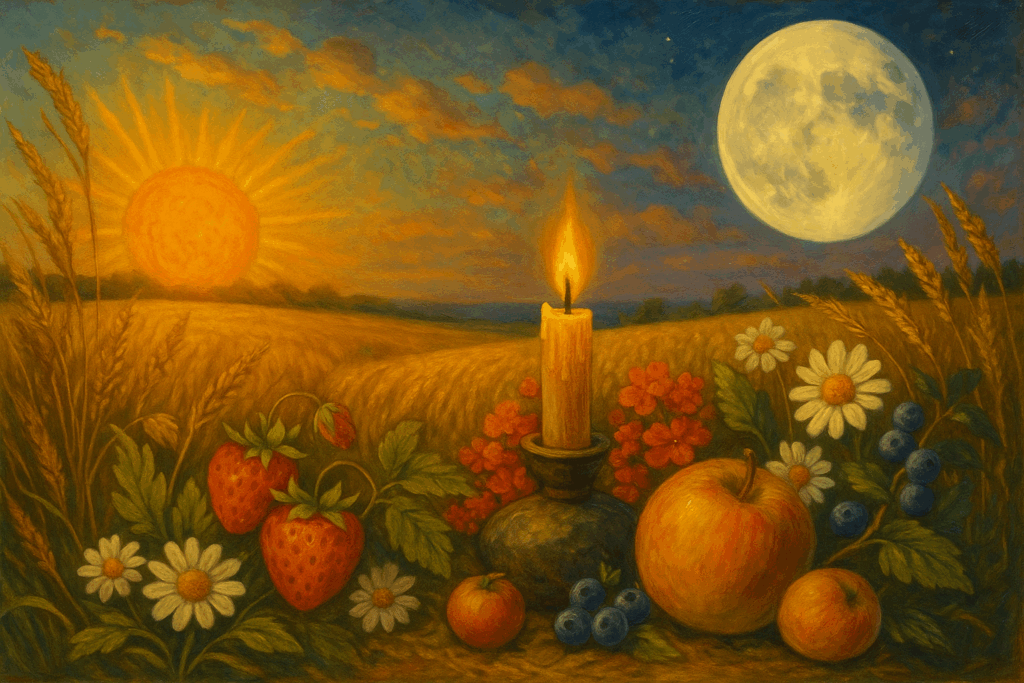
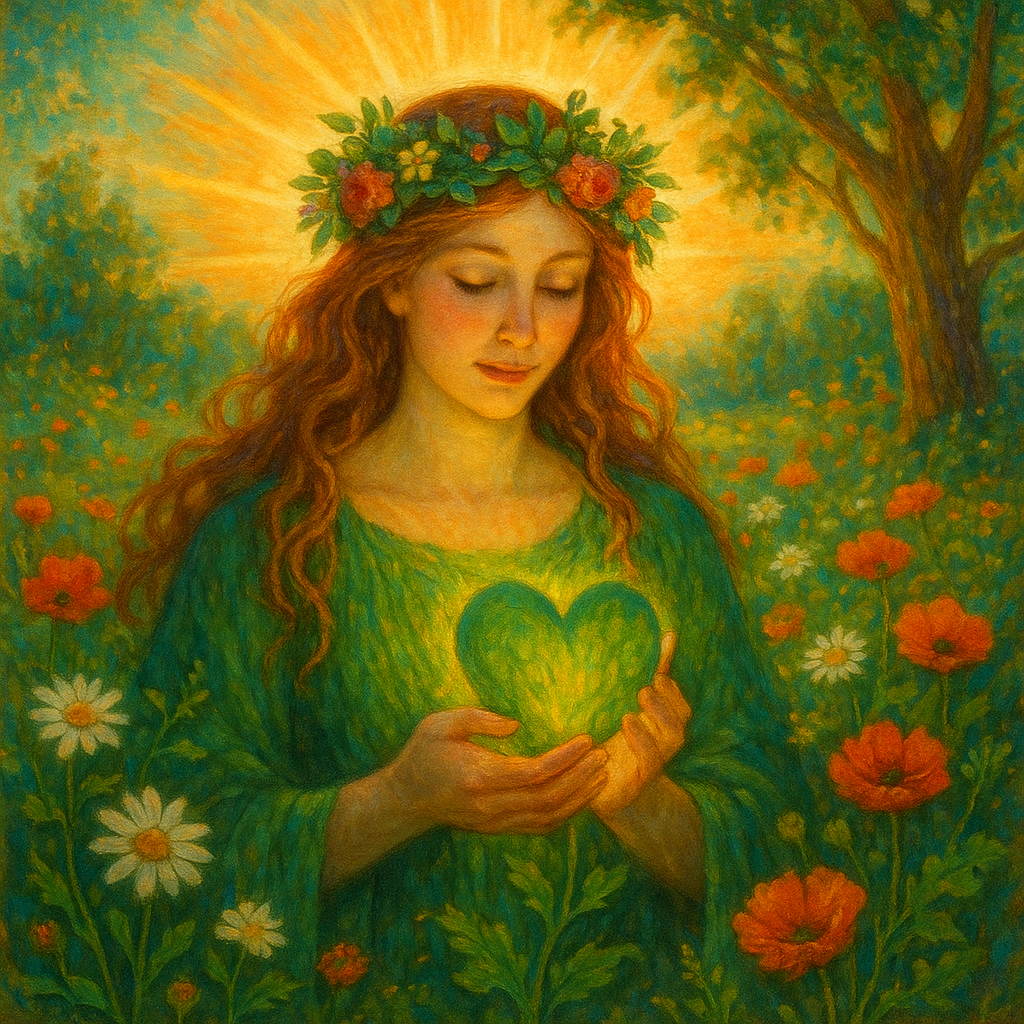
The twenty-third day of June arrives like a shimmer — the air thick with scent and sound, the night alive with a pulse that is neither entirely human nor wholly divine. The solstice fire has softened into embers, and the moon now rises in her silver splendor, casting her spell over the midsummer world. This is The Faery’s Dance, the night of enchantment, music, and mystery. It is a time when laughter echoes between worlds, when moonlight and starlight mingle with the glow of unseen wings, and the veil between the mortal and the magical thins once again. To walk this night with reverence is to remember that the world is alive with wonder — that the unseen is as sacred as the seen, and that joy itself is a form of prayer.
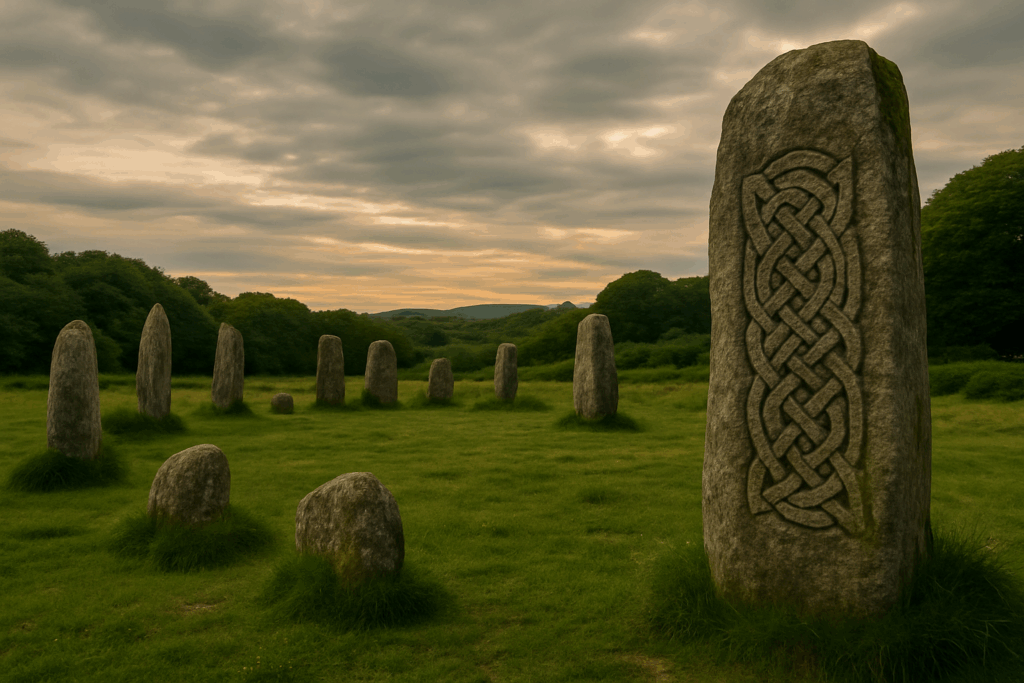
The Faery’s Dance is one of the oldest whispers in the folklore of the earth. In Celtic lands, it was said that at Midsummer, the fae — the Sídhe, the Shining Folk — would emerge to dance in moonlit circles upon the hills, their laughter ringing like bells through the night. To witness them was a blessing, but to intrude without permission was perilous, for their realm exists just beyond the threshold of human understanding. Yet, on this night, they are not distant; they are near, curious, vibrant, and alive in every gleam of dew and spark of firefly.
For those who walk the old path, The Faery’s Dance is both celebration and communion — an invitation to connect with the spirits of nature in joy and harmony. It is a night for honoring the unseen forces that keep the balance between the wild and the cultivated, the physical and the spiritual. The key is approach — with respect, gratitude, and wonder, never demand. The fae respond not to authority but to authenticity, for they are beings of freedom, beauty, and natural law.
As twilight falls, prepare your space with softness and music. If possible, go outside to a garden, meadow, or any place where nature feels vibrant and awake. Decorate your altar or circle with flowers, dew-soaked leaves, and candles of white or pale green. Scatter rose petals or clover upon the ground — herbs beloved by the fae. Place a small bowl of milk, honey, or cream as offering; this ancient custom honors their generosity and ensures your encounter is one of harmony.
Before beginning your ritual, pause and greet the night aloud:
“Spirits of the green and glimmering lands,
Dancers of dew and light,
I honor you in peace and joy.
May my presence bring respect,
May my heart be open to wonder.”
Light your candles and sit quietly. Listen. The night hums differently now — the wind carries music, the rustle of leaves seems rhythmic, almost sentient. Close your eyes and breathe deeply. Feel the cool touch of moonlight upon your skin, the warm breath of the earth rising from below. Imagine yourself as part of that great harmony — the heartbeat of the world pulsing through you. This is the rhythm of The Faery’s Dance.
When you feel attuned, rise slowly and begin to move. Dance, even if gently, even if alone. The movement need not be elaborate; it is the intention that calls the magic. Let your body follow the rhythm of the night — the song of crickets, the whisper of breeze, the flicker of candlelight. You are not performing; you are participating. Each step is an offering, each gesture a blessing. Feel the energy of joy welling up inside you — laughter, freedom, lightness — this is the language the fae understand best.
If you have musical instruments, play them; if not, hum or sing softly. The voice, even a single tone, carries power. The fae are drawn to beauty, and beauty, in their realm, is not perfection but sincerity. Sing from the heart — a simple melody of gratitude and love for the world. As you sing, you may sense a shift in the air — a subtle shimmer, a coolness, or the feeling of being watched with curiosity rather than malice. That is the magic answering you.
Once you have danced or sung to your heart’s content, sit again and meditate. The Faery’s Dance is not only outward joy but inward listening. Ask the spirits of the land if they have guidance to share. Sometimes, answers come not in words but in sensations — a sudden image of a place to visit, a reminder of an old dream, a gentle nudge toward joy. The fae teach by inspiration, not instruction. They remind us that magic is not confined to rituals but woven through daily life — in the flight of a bird, the glint of dew, the laughter shared under starlight.
You may wish to cast a Faery Blessing Spell for creativity or renewal. Hold a small stone, shell, or flower in your hands and whisper:
“By moon and leaf, by wind and song,
May wonder guide me my whole life long.
By laughter bright and starlight clear,
May magic’s touch be always near.”
Then place the token upon your altar or under your pillow to carry the night’s enchantment with you.
At midnight, the veil is at its most delicate. The world seems to glow from within. If you are outside, you may see flickers of light or movement in the corner of your eye — do not chase them. Acknowledge softly: “I see you, and I honor you.” This respect keeps the connection balanced. The fae are not ours to command but to befriend. The wise witch knows that humility is the doorway to wonder.
As the night deepens and the moon climbs high, pour out your offerings upon the earth. Whisper your thanks: “To the fae, to the spirits of joy and beauty, I give gratitude. Dance well this night, and bless the green world with your laughter.” Leave your space as you found it, save for the offerings and the memory of joy.
Before sleep, take a cup of moonlit water or tea with honey and lavender. Sip it slowly, saying: “May the sweetness of this night flow through my dreams.” Then lie down and rest. Dreams on this night may be vivid — messages from the Otherworld or simply reflections of your own creative spirit awakening. Keep a journal nearby to record them.
The Faery’s Dance reminds us that life is not meant to be endured but celebrated. In the midst of work and worry, the world still hums with music waiting for us to listen. The fae call us back to enchantment, to playfulness, to reverence wrapped in delight. To dance with them is to remember our kinship with all that glows and grows.
As dawn nears and the last stars fade, whisper one final blessing:
“The dance is done, the joy remains.
The veil softens, the heart sustains.
By moon and sun, by earth and sea,
May wonder live forever in me.”
Walk into the new day with laughter in your soul and starlight in your eyes. You have danced with magic — and magic, in turn, dances through you.