🌸 Mar 3 – Song of the BlackbirdMessages of hope and song magic in the early morning air

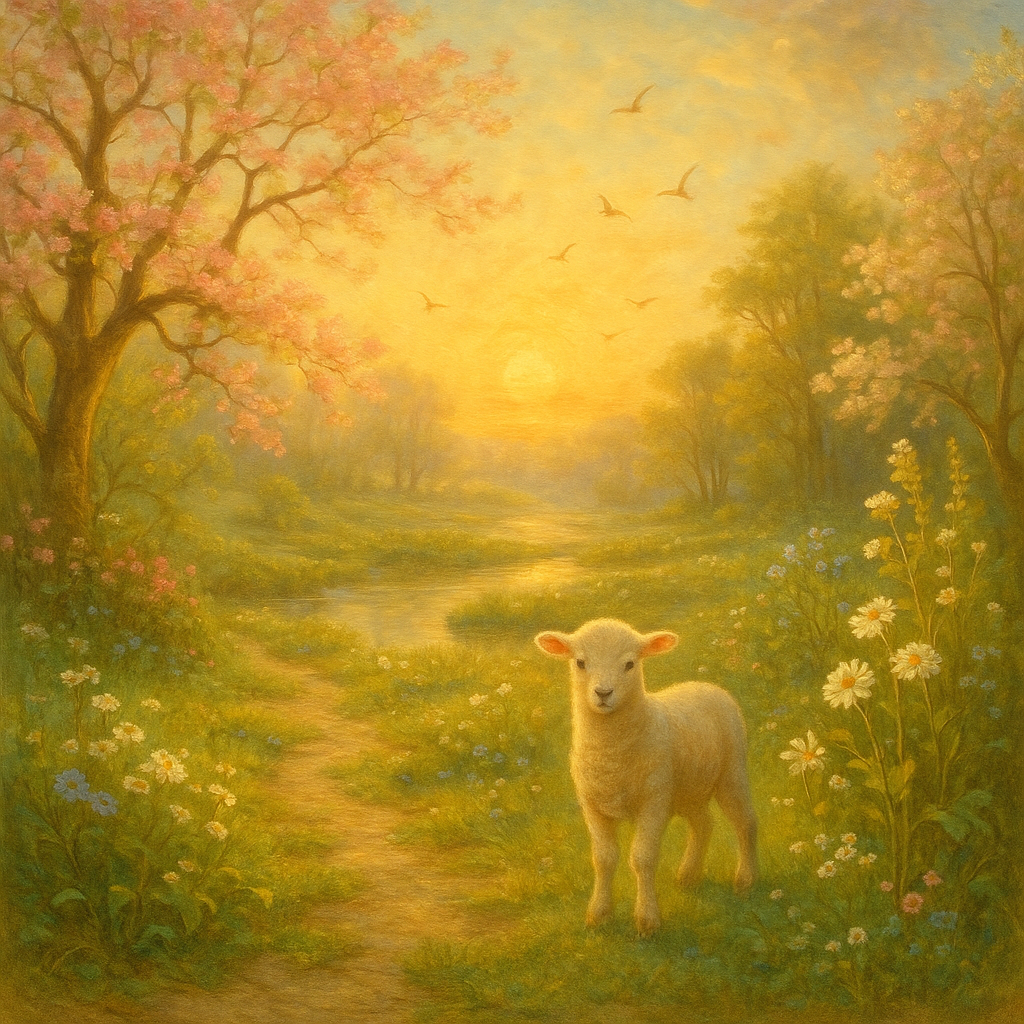
Before the full brightness of spring arrives, the world is awakened by a sound—clear, melodic, and hauntingly beautiful. The blackbird’s song drifts through the morning mist, carrying messages both ancient and immediate. It is the voice of dawn itself, the Earth singing her first notes of rebirth. To the pagan heart, the Song of the Blackbird is more than music; it is a spell woven in sound, a hymn of hope and transformation that echoes through both the natural and spiritual realms.
As March deepens, the days lengthen, and the sun begins its gentle return, the blackbird heralds this shift. Its call pierces the stillness of early morning like a silver thread weaving light through darkness. There is something profoundly magical about being awake when the blackbird begins to sing—those first pure notes carrying the essence of promise. In Celtic and Druidic traditions, birds were messengers between worlds, their songs carrying wisdom from the unseen. The blackbird, in particular, was sacred—a guardian of gateways, a keeper of mystery. It sang from the edge of the Otherworld, guiding souls and seekers alike toward deeper understanding.
When we hear the blackbird’s song, we are invited to listen not merely with our ears, but with our spirit. Each note carries an energy of awakening, reminding us that the world is alive with unseen meaning. The blackbird’s melody is not only for the natural world; it is for the human soul as well. It calls us to rise, to breathe, to remember that light always returns after darkness. In this way, its song is an act of magic—one of pure intention and vibrational creation.
The magic of song has always been known to witches, healers, and mystics. Sound is vibration, and vibration is life. When we sing, chant, or hum in harmony with nature, we align ourselves with her frequencies. The blackbird teaches us this effortlessly. Its song shifts with the hour, the light, and even the mood of the air. It reminds us that magic is not static—it is alive, flowing, and expressive. To work with song magic, then, is to move beyond words into vibration, allowing your voice to become a vessel for the same creative force that animates the world.
On this day, the practice is simple yet profound: rise early and go outside before the sun fully climbs the horizon. Stand quietly, letting the morning chill wrap around you, and wait for the first song. When the blackbird begins, close your eyes and breathe deeply. Let the sound enter you—not as something external, but as an echo of your own inner voice. The song of the blackbird resonates with the heart, stirring what has been still or silent within. You may find emotions surfacing, or sudden clarity about something long hidden. That is the bird’s gift: illumination through beauty.
If you wish to make this communion a ritual, bring with you a small token of offering—a handful of seeds, a drop of honey, or a few grains of oats. When the song finishes, place your offering upon the earth and whisper a blessing: “For your voice that wakes the dawn, I give thanks. May your song carry life and hope to all who hear.” Such small gestures build relationship with the living spirits of the land and sky. They remind us that magic begins in gratitude.
In deeper symbolism, the blackbird represents both the mystery of night and the promise of day. Its feathers are dark, yet its song brings light. In this, it becomes a living emblem of transformation—the union of shadow and hope. Many spiritual traditions teach that light is born from darkness; the blackbird embodies this truth perfectly. To hear it sing is to be reminded that beauty emerges even from the deepest quiet, and that every ending contains the seed of renewal.
In personal spiritual practice, the blackbird’s energy can be invoked to aid in transitions, healing, and communication with unseen realms. If you work with animal totems or spirit guides, meditate upon the blackbird’s qualities. Its medicine is one of clarity through song, of truth expressed through voice. For those who struggle to speak their truth or to find creative inspiration, calling upon the blackbird can open new pathways. You might place a small black feather upon your altar, or a symbol of music—a bell, a tuning fork, or a carved bird—to honor its presence.
The Song of the Blackbird also calls us to reclaim our own voices. In modern life, it is easy to become silent—not only outwardly, but inwardly. We stifle our creativity, our expression, our prayers. The blackbird reminds us that to speak, sing, or chant is to participate in creation. Our words shape energy; our breath carries magic. This is why ancient spells and blessings were always spoken aloud—the vibration itself was part of the power. When we sing, even softly, we are invoking the life force that flows through all things.
One beautiful practice for this day is to create your own “song spell.” It need not be complex or melodic—simply a short chant or phrase that embodies your intention. For example:
“As the dawn returns, so too does hope.”
“From silence, I rise to sing my truth.”
“My heart beats with the rhythm of the Earth.”
Repeat your chant with breath and rhythm until you feel the energy build around you. Imagine your voice weaving into the morning air, blending with the song of the blackbird and carrying your intention into the world. This act unites your personal magic with nature’s magic—your will with her song.
Historically, the blackbird also symbolizes prophetic insight. In Celtic myth, the Birds of Rhiannon were said to sing so sweetly that they could wake the dead and lull the living into timeless peace. The blackbird, among them, sang from the branches of the Otherworld’s sacred trees, guiding souls between life and death. To hear its song, then, was to touch the edge of eternity. When we listen today, we can still feel that timelessness—that sense of being between worlds, held in the still point where night gives way to day.
As you move through this day, carry the blackbird’s song in your heart. Let it remind you to greet each dawn as a rebirth, to speak truth with courage, and to create beauty even in times of uncertainty. When you find yourself weary or afraid, recall that the blackbird sings not because the world is perfect, but because it is alive. Its joy is not blind—it is resilient. That is the deepest magic of all: hope that sings, even from the shadows.
As the sun rises higher, you may notice how the song fades into the day. Its purpose is complete—it has awakened the world. So too do we learn that not every voice must be constant. There is power in singing, and there is power in silence. Each has its place in the rhythm of creation. The blackbird teaches us when to express and when to listen, when to breathe out and when to breathe in.
At sunset, when the world quiets again, you might light a small candle to honor the cycle of song and silence. Whisper a simple truth learned from the morning: “Light returns. Hope endures. My spirit sings.”
The Song of the Blackbird is not only heard with the ears—it is felt in the soul. It reminds us that dawn always follows darkness, that beauty can exist even in solitude, and that every sound of life is, in itself, a sacred hymn.