
September 6, 2025/
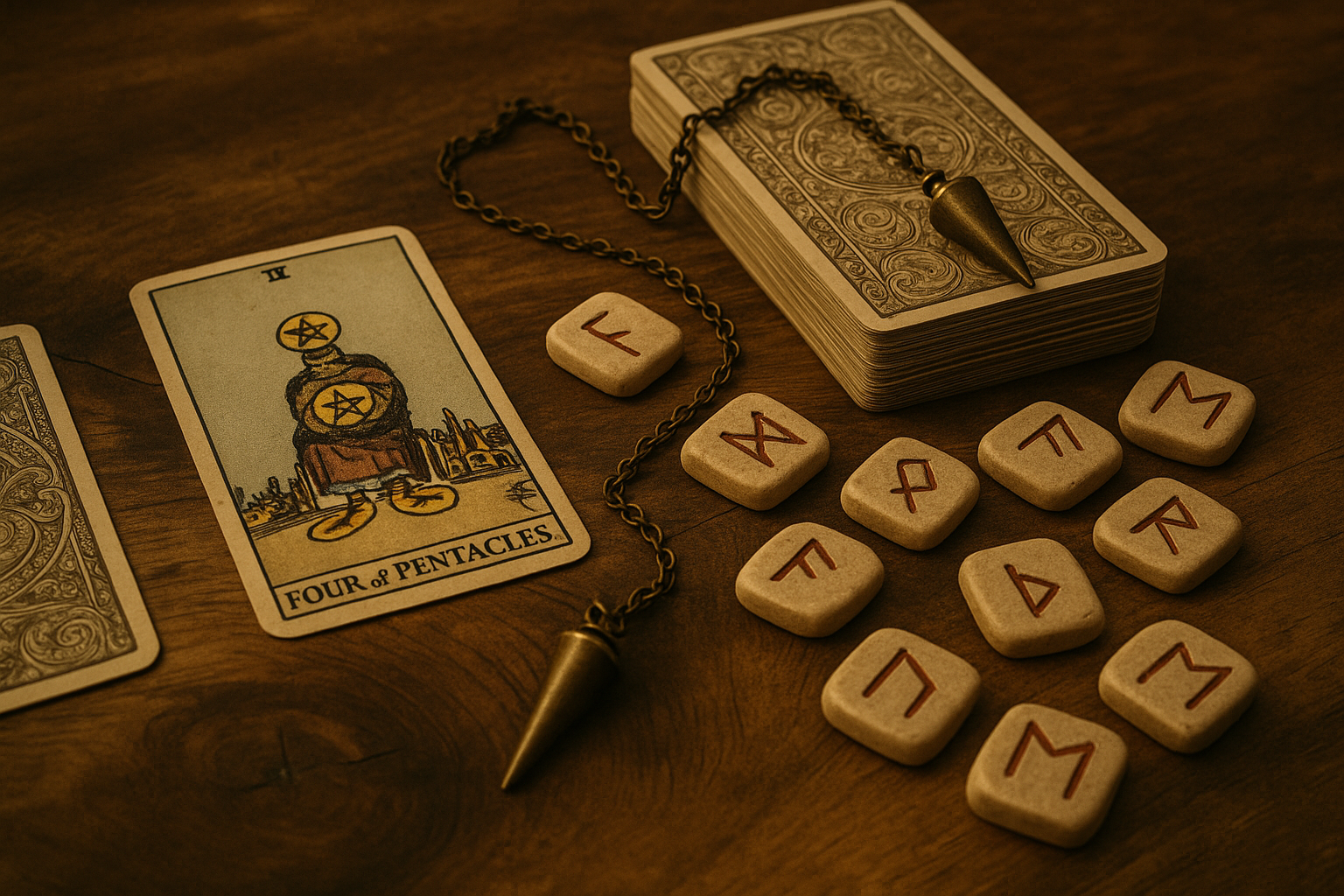
From the dawn of time, humans have sought to pierce the veil of uncertainty, to glimpse patterns hidden beneath the…
From the dawn of time, humans have sought to pierce the veil of uncertainty, to glimpse patterns hidden beneath the…
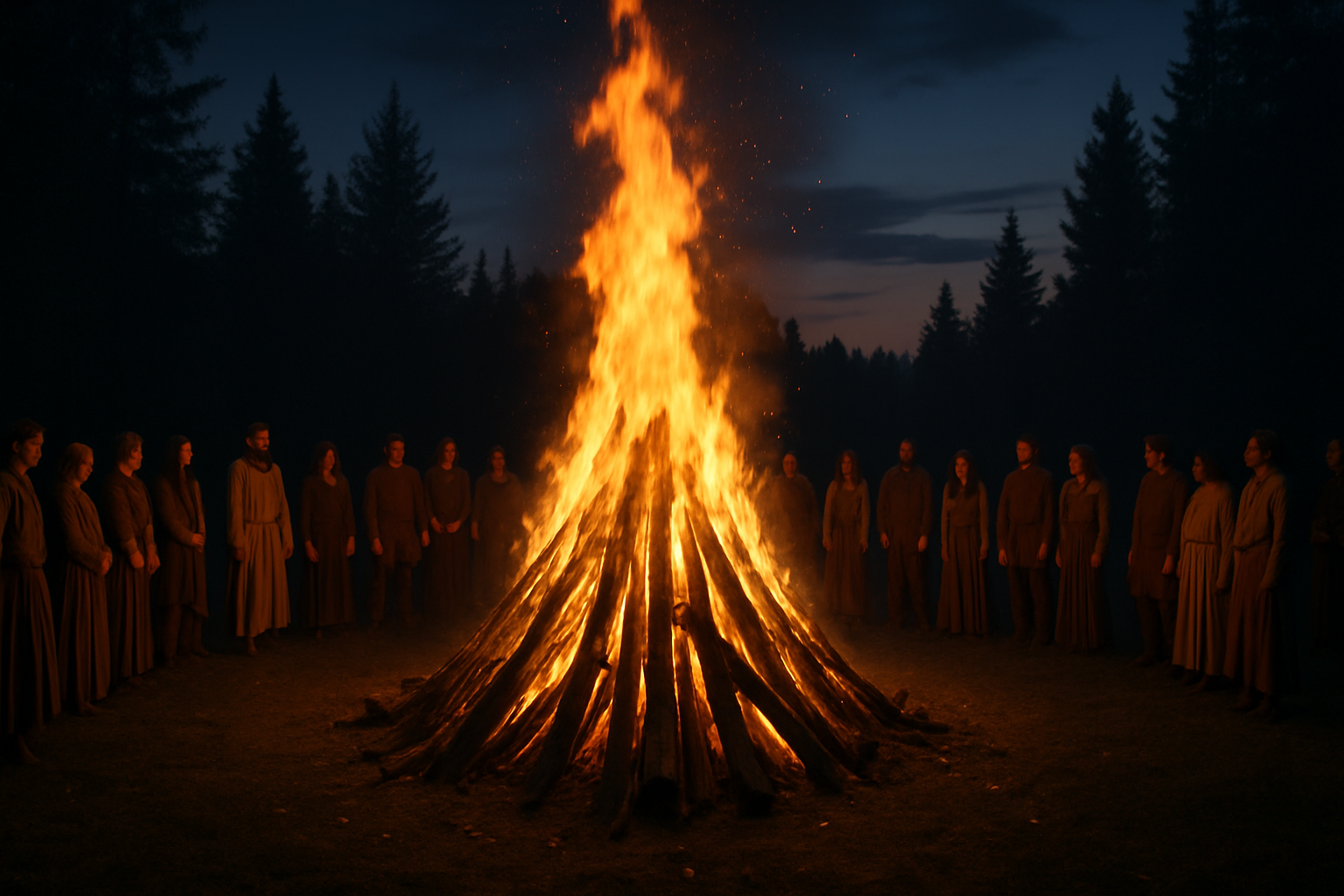
Fire has always been sacred in pagan traditions, embodying purification, destruction, and transformation. From Celtic bonfires to Zoroastrian fire temples,...
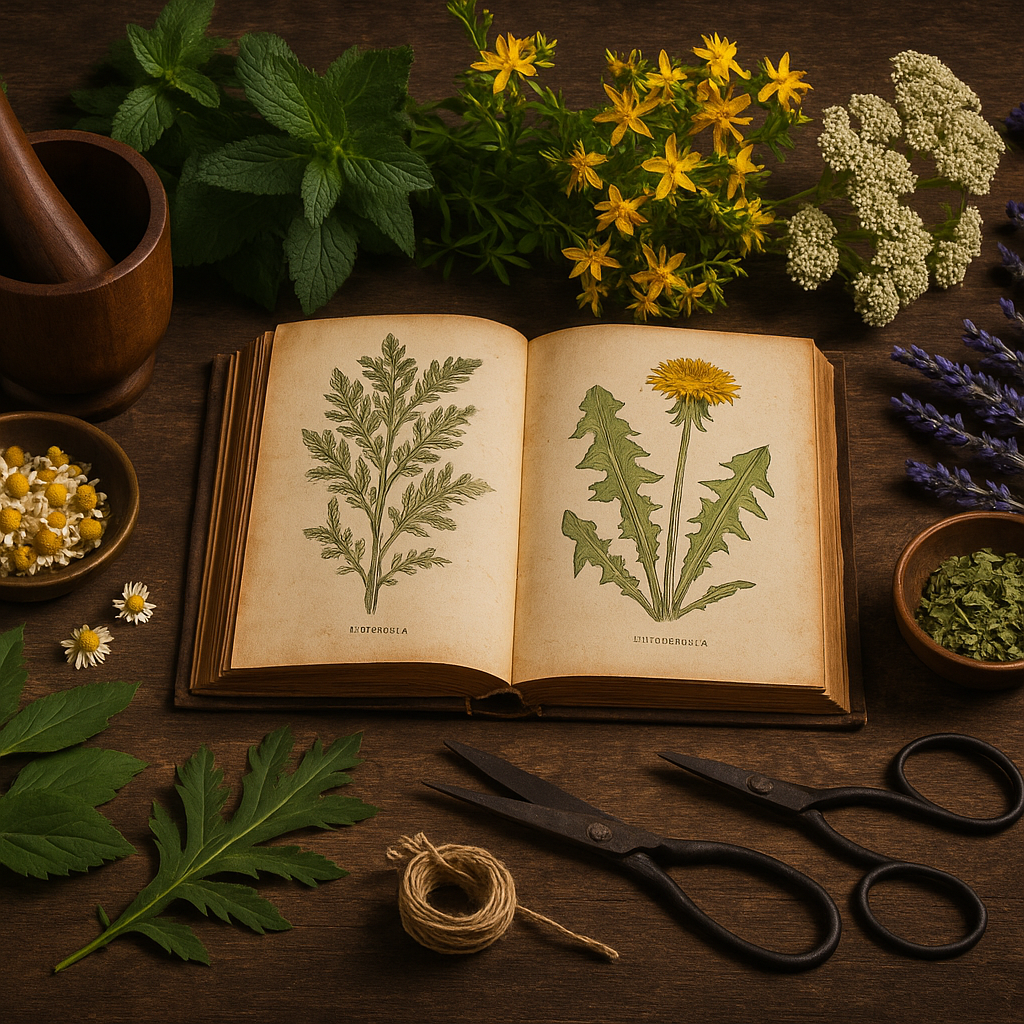
Pagan herbalism honors plants not as commodities but as sacred allies. From Celtic druids harvesting mistletoe to modern pagans burning...
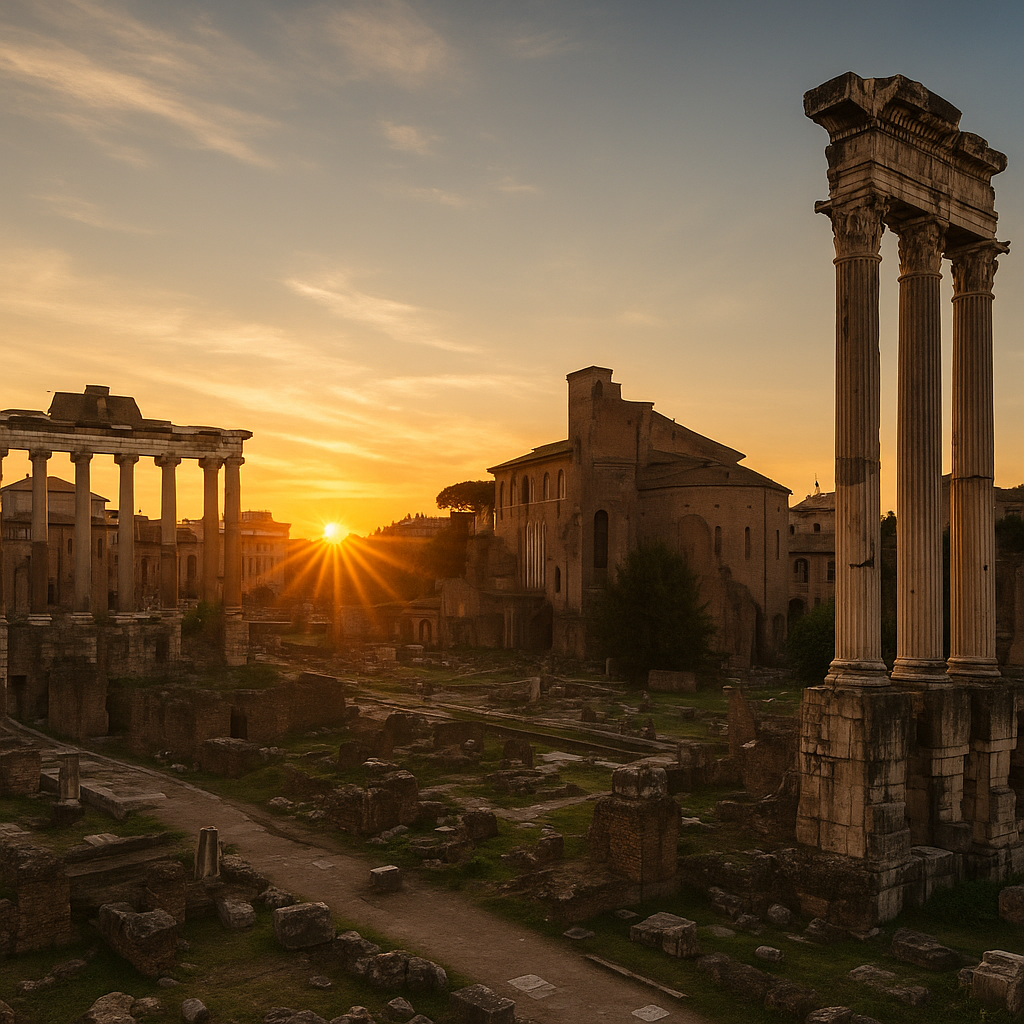
Roman paganism infused the calendar with sacred meaning, from Saturnalia’s festive inversions to Floralia’s celebration of blossoms. These festivals shaped...
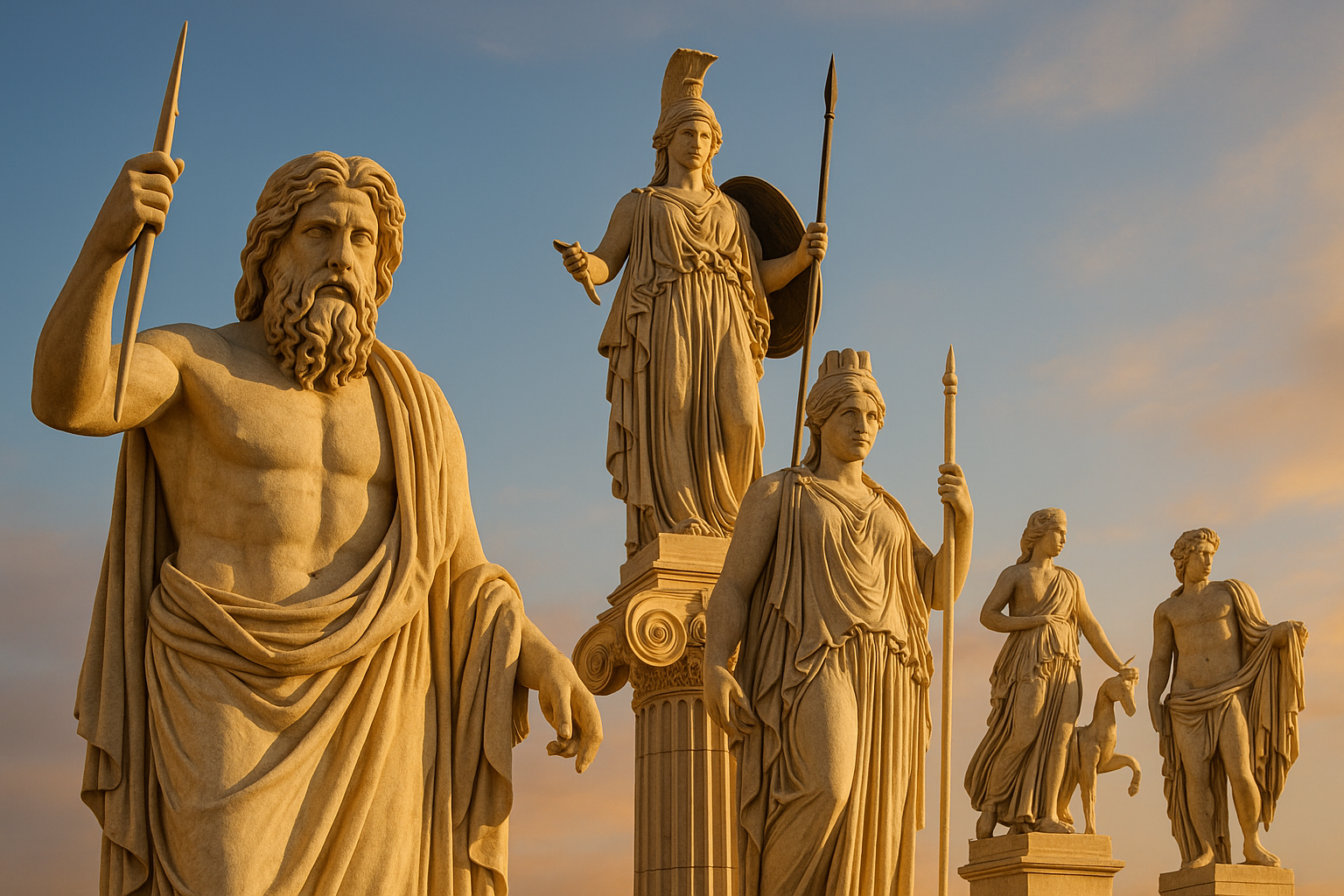
The Olympian gods were the heart of Greek paganism, embodying love, wisdom, passion, and fate. From temple rituals and sacred...
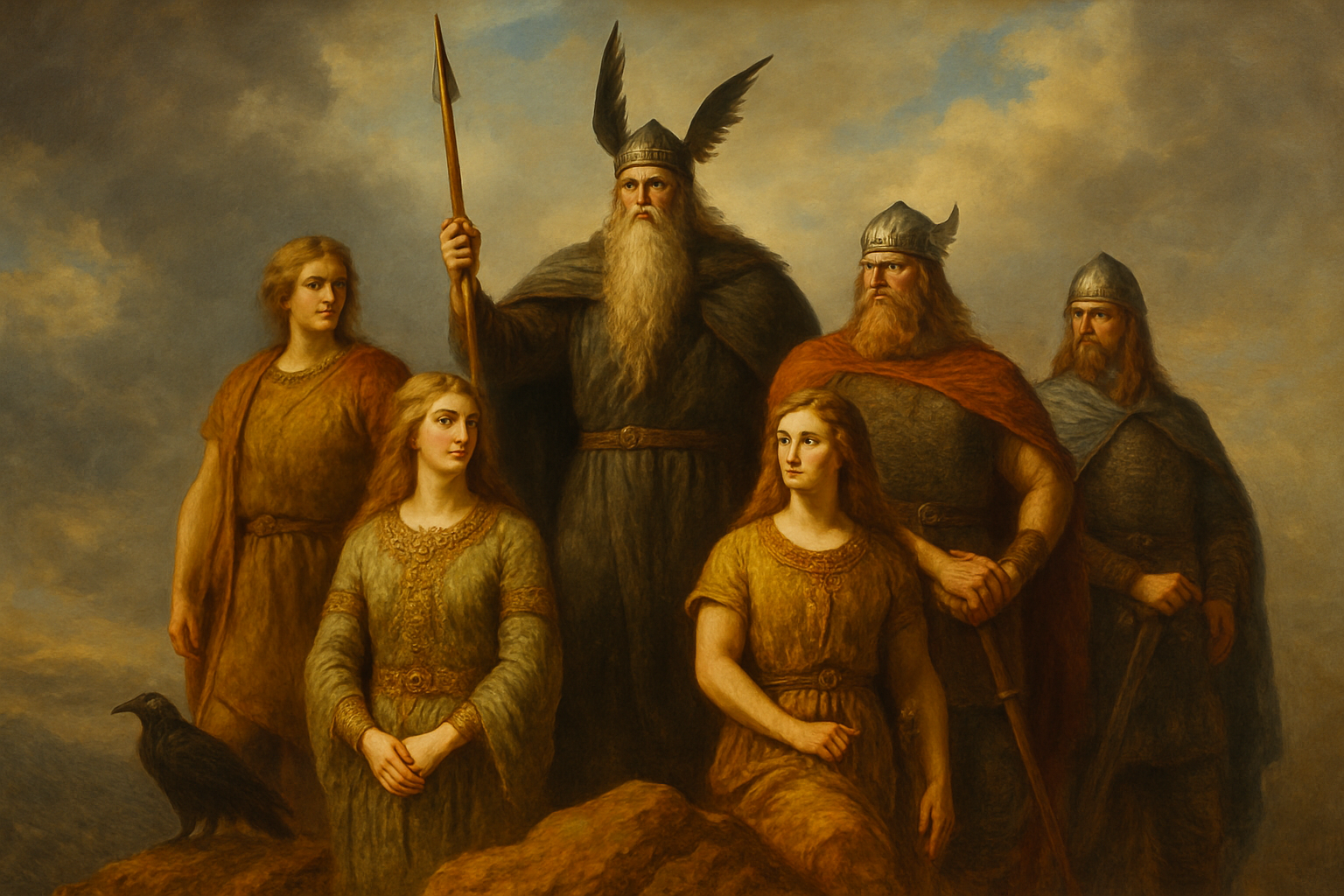
The Norse gods were never distant figures but dynamic deities embodying wisdom, courage, love, and fate. Their myths shaped ancient...
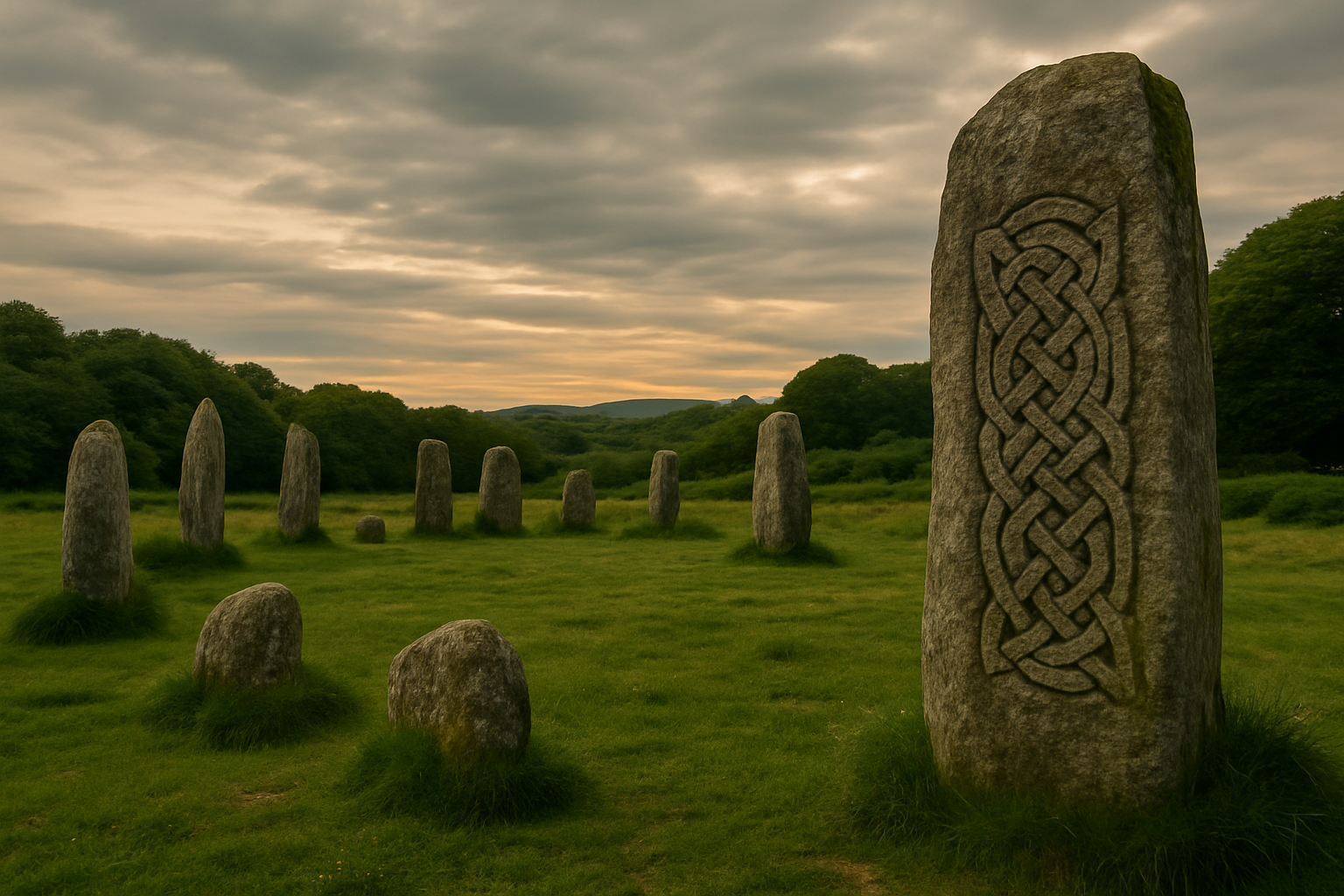
Celtic paganism was a spirituality deeply tied to the land, the cycles of nature, and the wisdom of myth. Through...
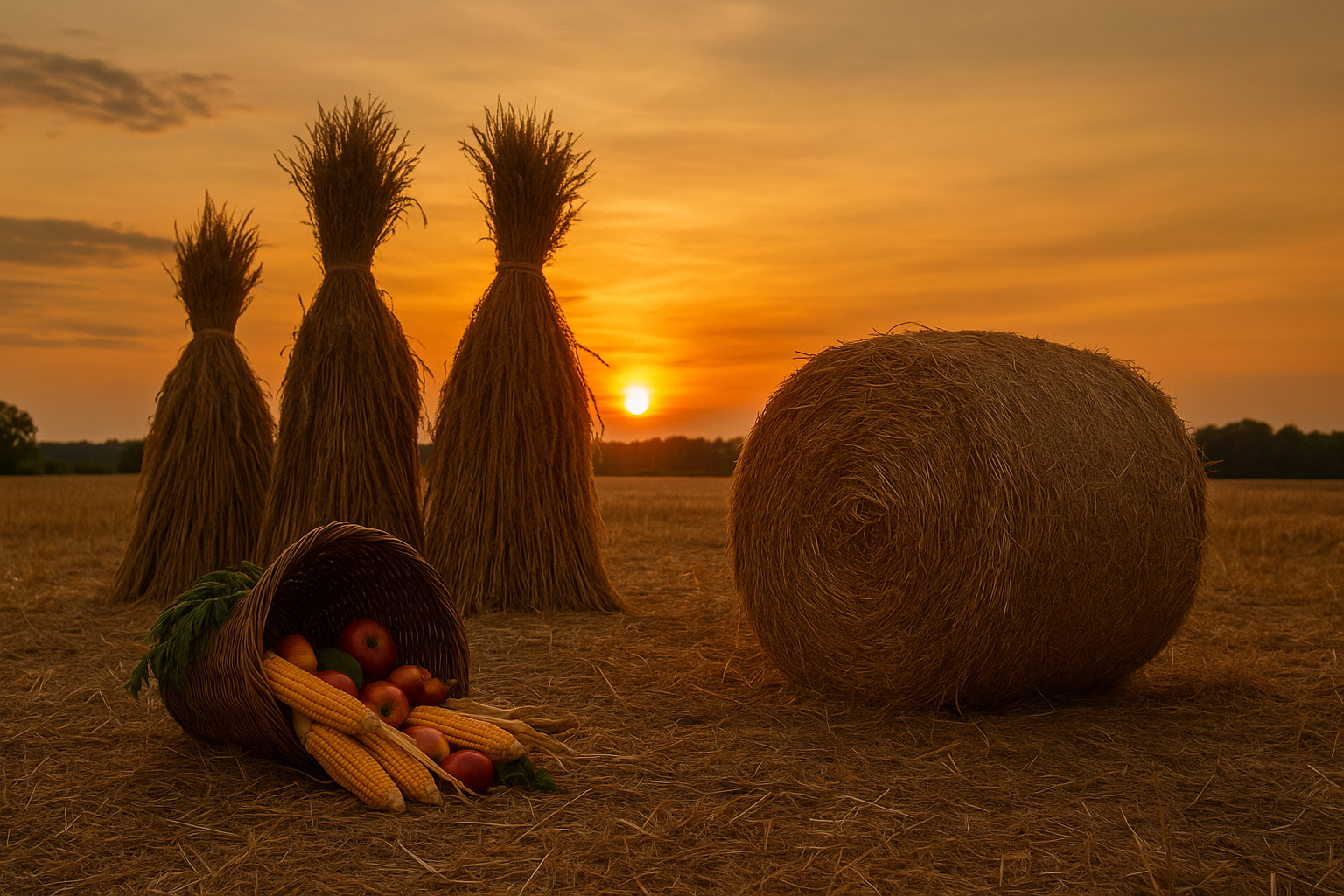
Modern Labor Day may seem far removed from ancient rites, yet its placement and spirit echo pagan harvest festivals that...
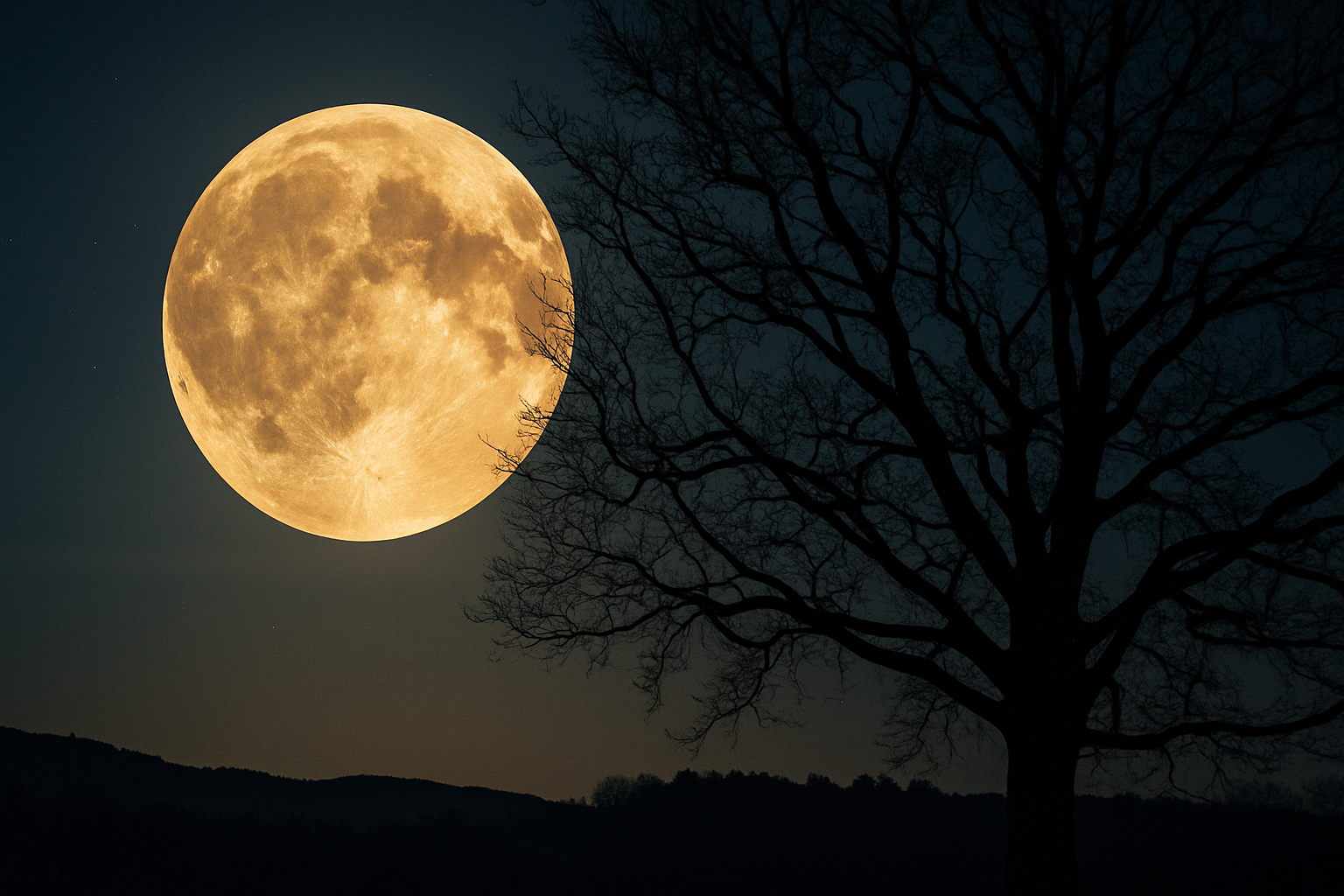
The moon holds central importance in pagan spirituality, embodying cycles of life, transformation, and divine feminine power. This essay explores...
"Apprentice, the call you feel is real. Magic is not fantasy — it is discipline, vision, and power waiting to awaken within you. In this course, you will learn to align body, mind, and spirit, awaken your hidden senses, and take the Oath of the Mage. By the end, you will not simply study magic — you will live it.
A step-by-step 110-lesson course on psychic development—covering telepathy, telekinesis, ESP, energy mastery, and advanced practices. Discover your hidden abilities and awaken your higher potential.
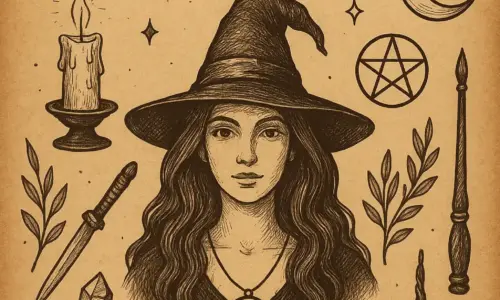
“Witchcraft is not simply the art of casting spells or lighting candles by moonlight—it is a living dialogue between the self and the unseen. It is a reclamation of your power, your intuition, your rhythm with the Earth and stars. At its core, witchcraft is the ancient and ongoing practice of aligning your intention with the natural forces of the universe to manifest change, healing, and understanding. It is both spiritual and practical, poetic and mechanical. It is the heartbeat of the forest, the pull of the tide, the spark of will igniting in your soul. To practice witchcraft is to say: ‘I take responsibility for my reality. I will not wait for a savior, nor pass my fate to chance. I will work the wind and stir the flame. I will listen to the whispers of trees and the silence of the stones. I will know myself, and in that knowing, I will know the world.’ This is no light declaration. It is the beginning of a path that winds through shadow and starlight, through hardship and revelation. But once you take your first step, you will never again walk alone. The Craft becomes part of your breath, your choices, your story.”
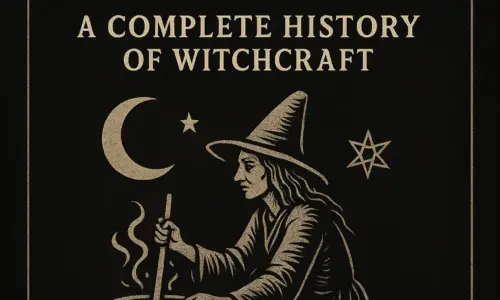
Before the word "witch" ever scorched the tongue of priest or king, there was a figure crouched in the flickering firelight of a cave, palms stained with ochre, eyes fixed beyond the veil of this world. She may have worn feathers. He may have borne bone charms. They may have chanted to the moon or danced through smoke, drawing symbols into soil not to decorate it, but to speak to it—to move it. These were not spells as we know them, but acts of sacred negotiation between flesh and forest, hunter and hunted, birth and bone. Witchcraft did not begin as rebellion. It began as relationship. A relationship between human beings and the invisible systems they could feel but not name—the pulse of rainclouds, the memory of ancestors, the silent guidance of stars. These early practitioners were not separate from their world; they were interpreters of it, mirrors of it, bound to the cycle of life in ways modern humanity has all but forgotten. And so the first witches were not wicked. They were vital. They held the breath of the tribe in their chants, the health of the sick in their roots and stones, the fate of the future in the shape of bird wings and bones tossed on earth. Long before organized religion declared war on magic, before inquisitors burned women alive for knowing which plants soothed childbirth—there was only this: the need to survive, to understand, and to connect. Witchcraft, in its oldest form, was not heresy. It was heritage.
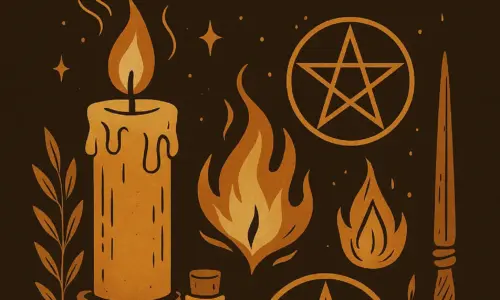
There is something ancient in the flame—something that remembers. Long before books were written, before the first altar was carved, fire was our teacher. It danced in the center of the circle, lit the way through darkness, and devoured what no longer served. It is not a passive element. It does not wait to be invited. It claims. It transforms. And in the hands of the witch, it becomes a living spell. In this lesson, you are not just learning about fire. You are meeting it. You are feeling its will, its hunger, its warmth, and its warning. You are remembering that fire is not symbolic—it is real, it is alive, and when called upon with respect, it answers. When you light a candle with intention, you are not just setting wax aflame. You are igniting an idea in the astral, fueling it with breath, feeding it with herbs, commanding it with words, and releasing it through smoke into the world beyond your skin. You are saying: This is my will. This is my offering. This is my fire. Here, in the flicker of flame, your spell begins.
There was a problem reporting this post.
Please confirm you want to block this member.
You will no longer be able to:
Please note: This action will also remove this member from your connections and send a report to the site admin. Please allow a few minutes for this process to complete.