December 6 – The Hearthfire Blessing

When the world lies wrapped in winter’s breath and the night rules the hours, the hearth becomes the heart of the home — a sanctuary of warmth, sustenance, and sacred continuity. On December 6, we honor The Hearthfire Blessing, a day devoted to the domestic rites of safety, warmth, and gratitude. For pagans and hearth-centered spiritual paths alike, this is a holy day that celebrates the fire that sustains life through the long cold — both the literal flame that burns upon the hearth and the metaphorical one that glows within the soul and home.
Since the earliest days of human life, fire has been our oldest companion and teacher. Around its light, our ancestors told stories, cooked their food, crafted their tools, and wove their magic. The hearth was not merely a place of utility; it was an altar, a threshold between the seen and unseen worlds. Every flicker of flame was a messenger to the gods, every ember a spark of divine presence. In nearly every ancient tradition, a goddess or guardian presided over the sacred hearth — Hestia in Greece, Brigid in Ireland, Gabija in Lithuania, and Vesta in Rome. These deities were the keepers of the sacred flame, embodiments of continuity, family, and home. When we light a candle or stove in their honor, we are rekindling a lineage as old as civilization itself.
The Hearthfire Blessing is a reminder that holiness begins not in distant temples but within the home. It teaches that every meal, every shared story, every act of care is sacred. In the pagan view, the home is a living organism — a circle of protection and warmth that reflects the harmony between human and spirit worlds. When we tend our hearths with mindfulness, we are tending the balance of our lives. The fire becomes a mirror for our inner light, reminding us that gratitude and intention are the kindling that keeps the spirit alive.
To begin this day, take a moment to center yourself before your home’s heart — be it a fireplace, stove, or simple candle. Even if you live without a hearth, the symbolism remains. A single flame upon your altar can serve as your sacred fire. As you gaze upon it, reflect upon the blessings your home has offered this year — the shelter, the food, the warmth, the memories. Whisper words of thanks to the spirit of the house, the ancestors who have watched over it, and the elemental fire that has made comfort possible. Gratitude is the first offering and the truest form of magic.
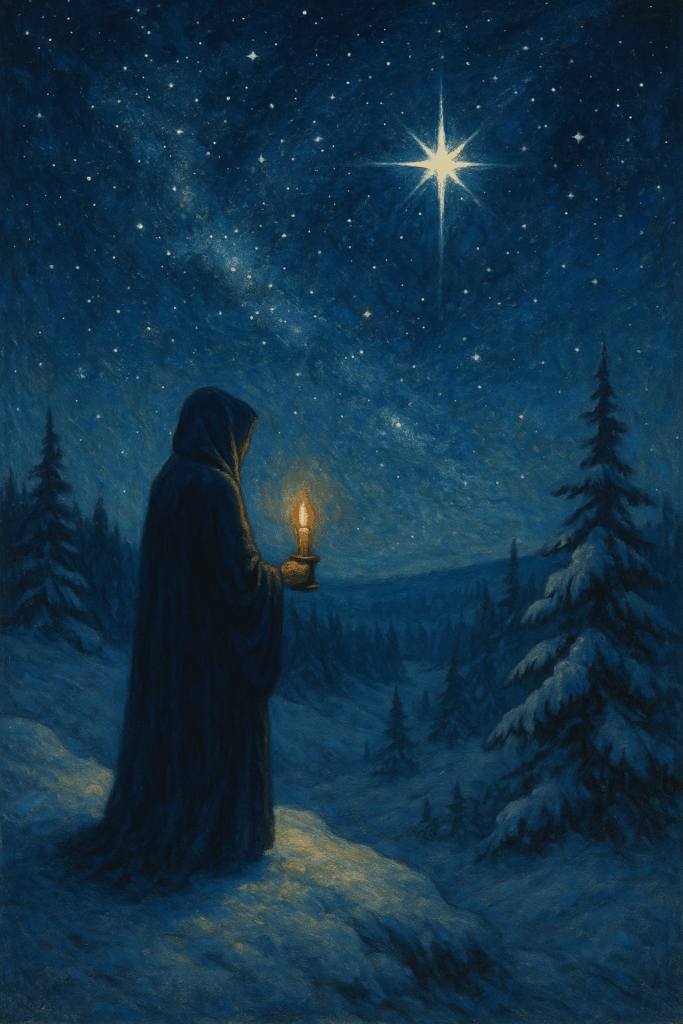
In older traditions, the hearth fire was kept perpetually burning. To let it die was to risk misfortune, for the flame represented life itself. In modern practice, we can honor this principle symbolically. Light a special Hearth Candle on December 6 and allow it to burn as long as safely possible. Choose one of deep red, orange, or gold — colors of vitality and protection. As you light it, speak an invocation such as:
“Sacred flame, heart of my home,
Bless this hearth where spirits roam.
Burn with love, burn with grace,
Keep all harm from this place.”
Let the flame’s glow fill your space. Imagine its warmth expanding outward, blessing every room, every person, every memory that dwells within those walls. The fire’s energy purifies and seals your home with light, driving away discord and stagnation. If you wish, you may also anoint the candle with a blend of cinnamon, rosemary, or clove oil — herbs of warmth, prosperity, and protection. Their scent will mingle with the flame, carrying your prayer into the unseen.
Beyond protection, the Hearthfire Blessing is about connection. The hearth is where the bonds of kinship are strengthened. It is where laughter, tears, and the simple acts of daily living intertwine with the sacred. As such, December 6 invites us to practice domestic devotion — to honor the spirits of home and family through mindful acts. Prepare a meal with love, sweep your floors with intention, or share bread with someone in need. Every humble action becomes a spell of gratitude when done with awareness. The magic of the hearth is woven not through elaborate ritual, but through care.
In some Celtic households, offerings of milk, bread, or ale were placed by the hearth for the household spirits — the brownies, kobolds, or tomte — benevolent beings believed to guard the family in exchange for respect and nourishment. To revive this practice, set aside a small portion of your meal or pour a cup of warm milk near your kitchen altar. Whisper a blessing of thanks:
“For those unseen who guard this home,
May warmth and peace be ever known.”
This gesture honors the interdependence between the human and spirit realms — a harmony essential to pagan living.
For those who wish to extend the Hearthfire Blessing to loved ones far away, candle magic offers a beautiful way to connect. At dusk, light a candle for each person you wish to bless, speaking their names softly into the flame. Envision the warmth of your hearth reaching theirs, a web of golden light stretching across the miles. In this way, your love becomes tangible energy, carried by the fire’s breath. Many who practice this tradition find that their dreams that night are filled with warmth, symbols of home, and visits from ancestors — signs that the blessings have been received.
Fire, of course, is both protector and teacher. It reminds us that warmth and safety require vigilance and respect. In myth, those who dishonor the hearth or misuse fire’s power face divine correction — the reminder that the gifts of the elements must be tended with humility. The Hearthfire Blessing is therefore not only about gratitude but also stewardship. It asks us to care for our resources, to protect what sustains us, and to share warmth where we can. The hearth’s light belongs to all who gather around it.
As the night deepens, take time to reflect on your inner hearth. The flame that burns in your chest — your passion, your compassion, your creative spark — also requires tending. Have you kept it alive through the dark season, or has it grown dim beneath worry and fatigue? The Hearthfire Blessing is a call to rekindle that inner warmth. You might meditate by your candle and visualize your heart as a glowing ember, each breath fanning it brighter. Let its light fill your body, melting away numbness or fear. You are the keeper of that flame, as much as any goddess of hearth or temple.
In closing your ritual or reflection, extinguish your candle gently with gratitude, or allow it to burn down safely. You may speak a final blessing:
“May my home be safe,
My fire bright,
My heart a beacon through the night.”
Then, if possible, share a meal or a cup of tea before the fire — a simple act that honors the sacredness of nourishment and companionship. The Hearthfire Blessing is ultimately a celebration of gratitude for what sustains us: warmth, food, family, and love. In these gifts, we find the true abundance of winter.
For pagans walking the wheel of the year, December 6 reminds us that our homes are temples, our kitchens sanctuaries, and our fires altars of devotion. Every spark is holy, every act of care a ritual. The hearth’s flame links us to our ancestors, who once knelt before their own fires with prayers of thanks and protection. When we light our candles today, we join them in that ancient lineage — keepers of the flame, stewards of life’s warmth.
May your hearth burn bright this winter, and may its blessing extend beyond your walls, warming all who cross your threshold with peace.