December 27 – The Twelve Nights Begin

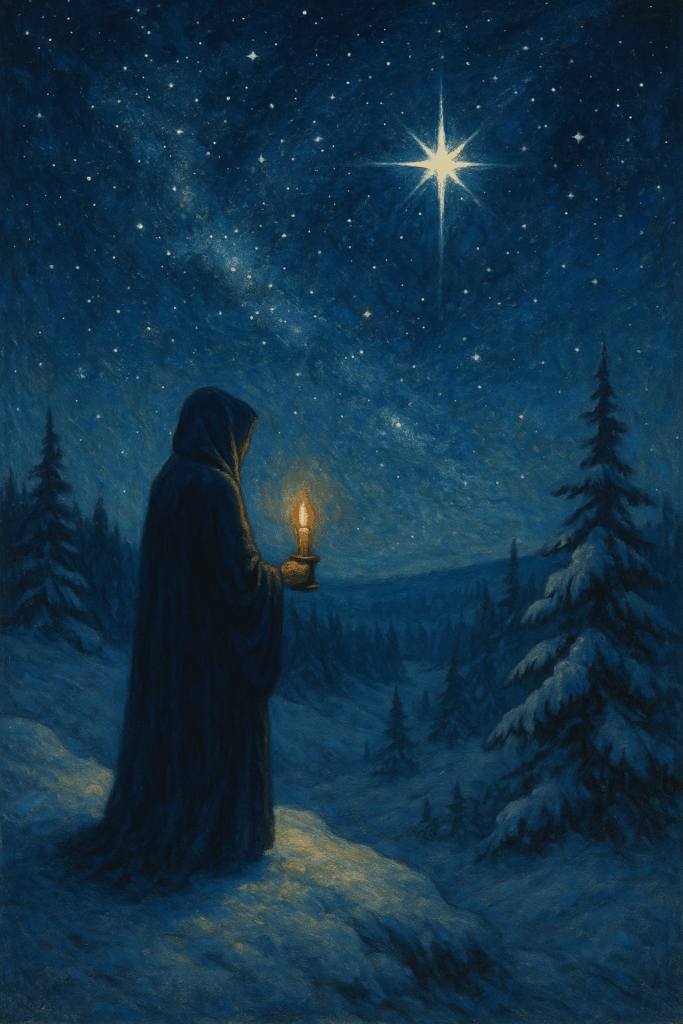
The world has settled into a serene rhythm. The frenzy of feasting has quieted, yet the fires of Yule still glow with gentle life. On December 27, we enter one of the most mystical passages of the year: The Twelve Nights Begin — a liminal span of time between the old year and the new, when the veil thins and the world breathes in both directions at once. These are nights of omen and wonder, where each dream, whisper, and flicker of flame carries meaning. It is said that in these twelve sacred nights, the past releases its hold, and the future whispers through the dark.
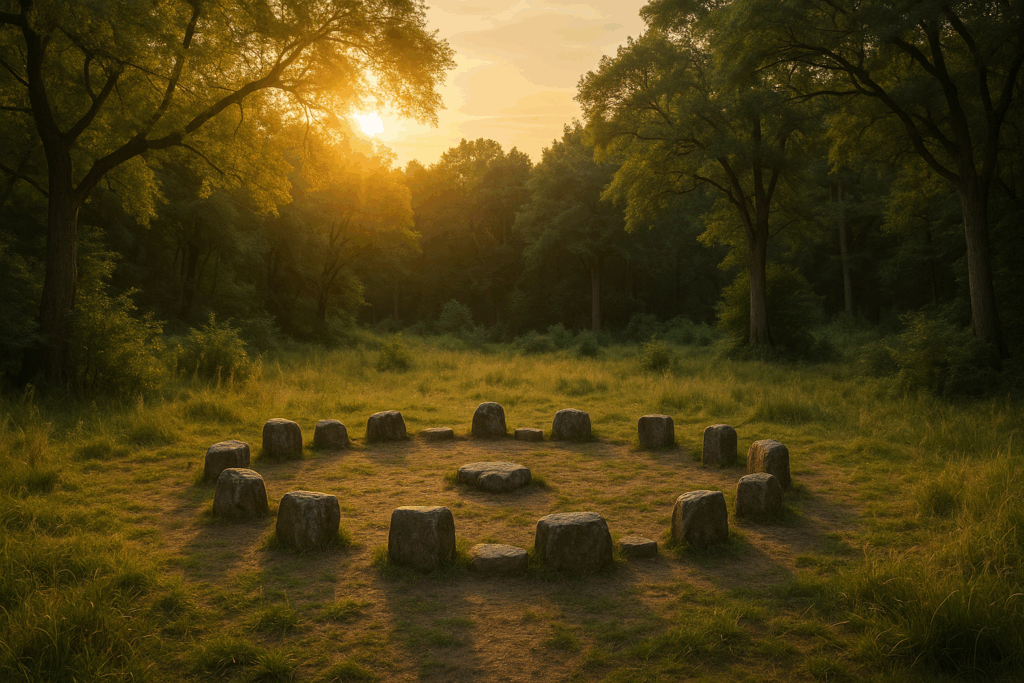
The Twelve Nights — sometimes called the Twelve Nights of Yule or Mother Nights (Modraniht in Anglo-Saxon lore) — are ancient in origin, predating the Christian “Twelve Days of Christmas” by centuries. For the old pagan peoples of Northern Europe, these nights marked the liminal threshold between the solar year that had ended at the solstice and the lunar year yet to come. Time itself seemed to pause. The veil between worlds grew translucent, and all beings — human, spirit, and divine — shared the same breath.
It was a period outside ordinary time: a hinge between the worlds, where divination, ancestral communion, and dream magic flourished. In every hearth, a flame was kept burning; in every heart, an awareness that these nights were sacred, potent, and alive with mystery.
The Still Time
The first night — December 27 — is traditionally devoted to stillness and preparation. Just as one listens to the first notes of a long symphony, this is the night to attune your spirit to the rhythm of the days ahead. Each of the Twelve Nights is said to correspond to one of the twelve months of the coming year, offering insight and foreshadowing through the signs, dreams, and emotions that arise. The night of December 27 thus reflects January, the beginning — and as such, it calls for clarity, cleansing, and intention.
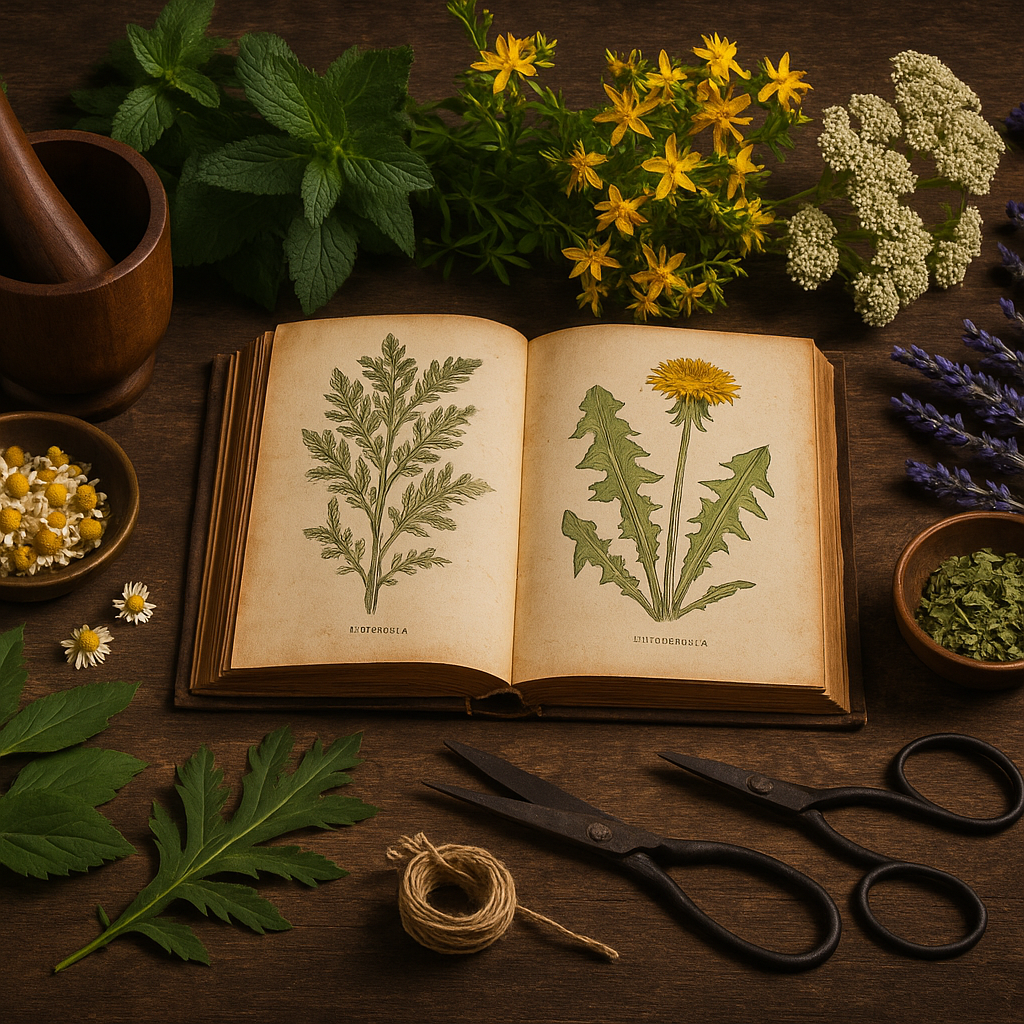
To begin, prepare your sacred space. Cleanse it gently, not through haste but through reverence. Sweep the floor, clear clutter, light incense or herbs of purification such as cedar, pine, or rosemary. Open a window briefly and let the winter air enter. As you do, whisper:
“The old year rests; the new year stirs.
Between them I walk, between them I listen.”
Then, light a single white candle — the flame of continuity, representing both the fading year and the spark of the one to come. Sit quietly before it and allow yourself to simply be. The first night of Yule’s twelvefold mystery is not about action but alignment. It invites awareness. Listen to the silence around you — not emptiness, but presence. In that hush, the voice of the world begins to speak again.
A Time Between Times
In many northern traditions, the Twelve Nights were considered the Wild Nights, when the Wild Hunt rode through the sky — a spectral procession of gods, ancestors, and spirits led by Odin, Frau Holle, or other divine figures. It was both awe-inspiring and fearsome, for the unseen was near. Farmers told stories of the Hunt sweeping across the fields, their horses’ hooves stirring the winds and their torches blazing like comets in the black sky. Those who honored the spirits with offerings of bread, ale, or milk were blessed; those who mocked or ignored them risked mischief or misfortune.
To honor this ancient current, you might leave a small bowl of milk or honeyed ale outside your door tonight, along with a crust of bread or piece of fruit. Say softly:
“Wanderers of wind and star,
Riders of the turning year,
Take this gift, and pass me by in peace.
Bless my home with wisdom clear.”
This gesture links you to an unbroken lineage of reverence — a recognition that the world is alive with beings beyond sight, that gratitude and respect are the foundation of right relationship with the unseen.
Dream Magic of the Twelve Nights
One of the most enduring customs of these nights is dream divination. It is said that each night’s dreams foretell the mood, lessons, or challenges of the corresponding month to come. Tonight’s dreams, therefore, are omens for January. To invite meaningful dreams, cleanse your sleep space — shake out your bedding, light a candle or drop a few grains of salt near your pillow. Before sleeping, whisper an invocation such as:
“By fire and star, by breath and bone,
Guide my dreams to truth alone.
Let the coming days reveal their face,
Through visions clear and gentle grace.”
Keep a journal beside your bed, and upon waking, write what you recall — images, emotions, even fragments of dialogue. You need not interpret them immediately; their meanings will unfold across the nights to come. Over the Twelve Nights, you will weave a tapestry of insight that reflects your path through the coming year.
If you do not dream, do not be disheartened — the spirits speak through other means as well: sudden thoughts, animal encounters, changes in weather, or intuitive feelings. Pay attention to everything. The Twelve Nights amplify the language of the world; the divine converses in subtleties.
The Hearth as Axis
Throughout these nights, the hearth — literal or symbolic — becomes the axis mundi, the world’s center. It connects the upper realms of spirit and the lower realms of ancestors through the living flame of presence. Keep a candle or small flame burning each night if you can, even if only for a short time. It serves as a beacon for blessings, a signal that your home remains within the circle of sacred time.
Each evening, as you light it, say:
“Fire of Yule, flame between years,
Burn through shadow, banish fears.
Bless my dreams, my home, my way,
Guard my soul through night to day.”
This simple act grounds the Twelve Nights in daily life — a rhythm of devotion that bridges heaven and hearth.
Journaling the Threshold
Tonight also begins the practice of nightly reflection, a cornerstone of the Twelve Nights’ magic. After sunset, take a few moments to sit by the candlelight and review the passing year. What have you learned? What have you released? What still asks for closure? The Twelve Nights are not about rushing to resolutions but about understanding — allowing insight to surface naturally from the quiet depths of being.
Write freely in your journal, or simply speak aloud to the fire. The first night’s focus is on beginnings — the seeds of what you wish to grow when spring returns. Imagine your life as soil freshly turned, fertile and waiting. Plant your intentions with care, but do not force them. The Earth does not strain to birth her seeds; she holds them gently in patience.
The Twelve Nights as a Spiral
Though many experience the Twelve Nights linearly, they can also be seen as a spiral — a journey deeper into the self with each passing night. From this first night of stillness and gratitude, the path will wind through dreams, revelations, and renewal until the twelfth night, when the year’s cycle closes in blessing. To walk this spiral consciously is to participate in the world’s renewal — to attune your personal rhythm with the turning of the cosmic wheel.
Ritual of Welcome
End your evening with a ritual of welcome for the mystery ahead. Hold your hands over your heart and say:
“Twelve nights, twelve doors, twelve dreams.
I stand at the first and open my heart.
What comes, I will meet with love.
What fades, I release to peace.
The year is turning, and I am turning too.”
Let the candle burn down safely or extinguish it gently, knowing that its spirit continues to shine within you. Step outside, even briefly, to look at the night sky. The air will feel different — not merely cold, but charged, aware. The old year breathes its last sigh; the new one draws its first breath. You are witness to that sacred inhalation of the universe.
Reflection
The First Night of the Twelve teaches us that magic is not found only in ritual but in awareness. This is the time to slow, to listen, to dwell in the mystery without rushing toward meaning. Between the years, we learn that life itself is liminal — an ever-turning dance of ending and beginning, of silence and song.
As you drift into sleep, remember that the world too is dreaming. The gods are close, the ancestors nearer still, and the stars themselves seem to hum the old songs of becoming. This is not the afterglow of Yule; it is its deep heartbeat continuing.
You are part of that rhythm — the watcher between the worlds, the keeper of the flame, the dreamer of what will be. The Twelve Nights have begun, and with them, the next cycle of the eternal wheel.