December 25 – The Child of Promise

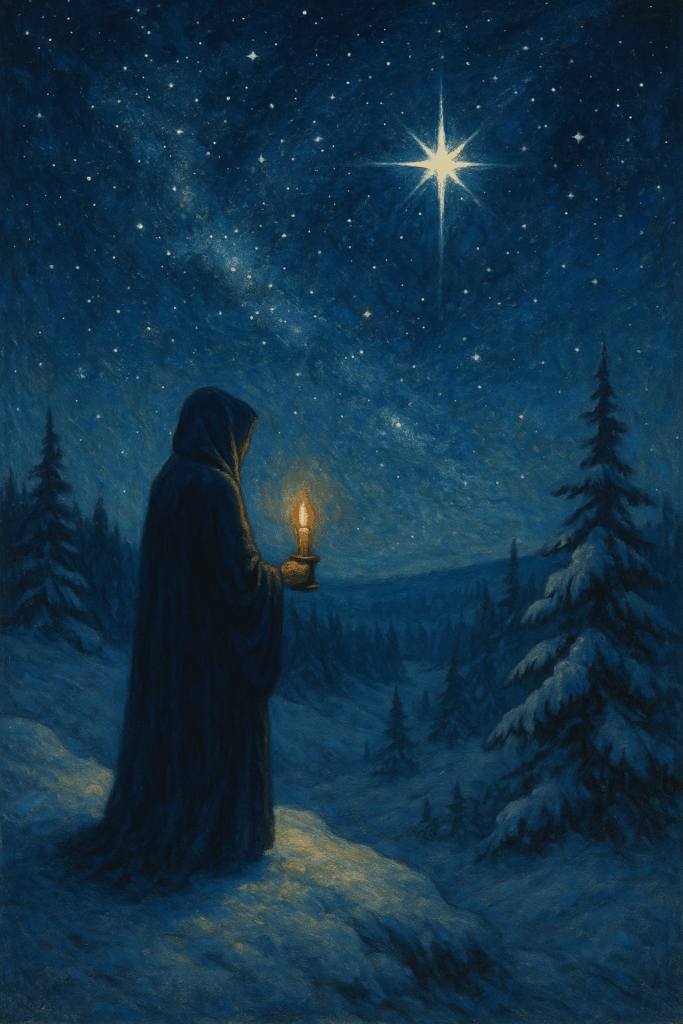
The morning of December 25 is unlike any other. The stillness of the solstice has lifted, replaced by a gentle radiance that seems to shimmer through every frosted branch and beam of light. On this sacred day, we celebrate The Child of Promise — the mythic embodiment of the reborn sun, the spark of divine innocence, and the eternal reminder that light always returns after darkness. This is not only a day of joy but of deep mystery, for it marks the moment when cosmic and human hope become one: the divine born into the world anew, clothed in wonder, humility, and life.
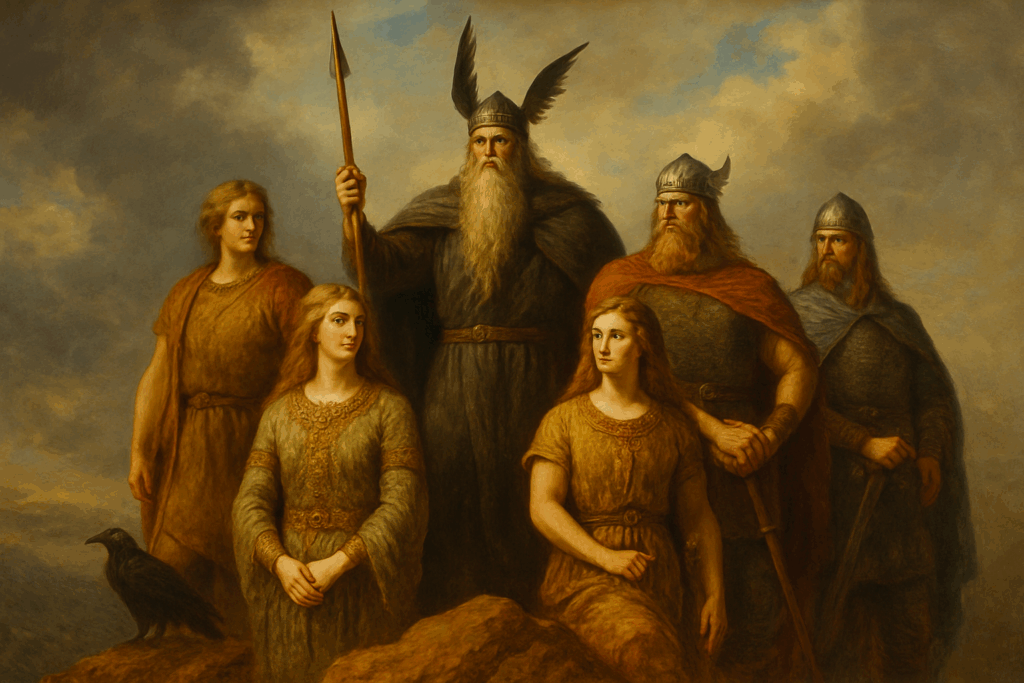
In nearly every ancient culture, midwinter was a time when stories of holy birth were told. The Celts spoke of the newborn Mabon, child of the Mother Modron, stolen into darkness and reborn at the year’s turning. The Norse hailed Baldur, the shining god, whose return from shadow heralded the promise of peace. The Egyptians celebrated the birth of Horus, the falcon-headed child born of Isis after her mourning for Osiris. In Persia, Mithras, the solar savior, was said to have emerged from a stone cave on this day, bringing light to humankind. And later, in the Christian world, the birth of Christ — the child of light and love — came to be honored at the same sacred turning. Though the names and myths differ, the essence remains one: the Child of Promise is the eternal symbol of renewal, the living soul of the sun reborn in every age.
The Sacred Child Within
On this day, we honor not only the divine child in myth, but the child of light within ourselves. This is the spark of purity, the part of the soul that has never been touched by cynicism or despair — the eternal flame that knows joy simply for being alive. The Child of Promise is innocence reborn, but not naïveté; it is wisdom remembering its first song. After the long night of introspection and shadow, this inner child emerges, blinking in the dawn, filled with awe for the beauty of existence.
In many pagan and mystical paths, this aspect of spirit is called the Inner Sun, the soul’s divine core. It is not something we must earn or create; it is what we are at our most essential. Today, we honor that truth — that divinity lives not above us but within, that each heart is a cradle for the light of creation.
To begin your observance, rise with the sun or shortly after. Wash your face and hands in cool water, symbolizing renewal and the washing away of old burdens. As you do, say:
“Child of light, I awaken with you.
The darkness fades, the world is new.
I greet this day in faith and grace,
And carry your warmth in every place.”
Then, light a single candle — the same flame carried through the previous days — and place it where the morning light can touch it. Let the rays of the sun and the candle’s glow mingle. This is the joining of heaven and earth, spirit and form, divine and human — the heart of the solstice mystery.
Sit quietly before the light. Imagine yourself as both the Mother and the Child — the nurturer and the nurtured, the guardian and the gift. Feel gratitude for your own birth into this world, for the miracle of simply being alive at this turning of time. Whisper softly:
“As the sun is born, so am I reborn.
As light fills the sky,
So love fills my soul.”
The Symbolism of the Divine Child
In pagan cosmology, the birth of the sun at midwinter is both literal and symbolic. The sun’s rebirth represents not only the physical return of warmth and life but also the spiritual renewal of consciousness. The Child of Promise is a mirror — a reflection of the light that humanity is called to embody. He or she is the spark that reminds us that love, creativity, and hope are not luxuries but sacred duties.
This myth appears in endless variations because it speaks to something universal: the recognition that every ending carries a beginning, and that each of us has the power to bring light into the world through compassion, courage, and joy. When we honor the Child of Promise, we commit to nurturing that divine potential — in ourselves, in others, and in the world around us.
Ritual of Blessing and Joy
To celebrate this day, prepare a small feast or offering — something golden, bright, or sweet to symbolize the sun’s energy. Honey cakes, oranges, spiced bread, or warm cider are all fitting. Before eating, hold the food in your hands and say:
“For the Child of Promise, I give thanks.
For life reborn, I rejoice.
May every soul be nourished by light,
And may love reign upon the earth.”
Take the first bite or sip in mindful gratitude. Savor it as a blessing — warmth entering your body, sunlight becoming part of your being. Share what you have if possible, for generosity is one of the sacred acts of this day. To give freely is to mirror the sun itself, which shines without demand or judgment.
If you are with loved ones, take a moment before your meal to exchange simple blessings. Look into one another’s eyes and say: “The light in me honors the light in you.” This phrase, echoed in many spiritual traditions, reminds us that the Child of Promise is not singular but collective — a light shared among all beings.
The Radiance of Innocence
The energy of this day is tender and playful. It invites laughter, song, and wonder. If the weather allows, go outdoors and walk beneath the winter sky. Feel the sunlight upon your face — faint but real, growing stronger by the day. This is the warmth of the newborn sun, a gift freely given. Open your heart to it as a child would — without resistance, without expectation.
You may find joy in simple acts: watching birds gather at a feeder, admiring icicles glinting in the light, or offering seeds to the earth as blessings for the year ahead. Every gesture of joy honors the Child of Promise, for his or her essence is delight — the pure awareness that to exist is to shine.
If you have a musical instrument, play it; if not, hum or sing softly. Ancient Yule songs were not solemn hymns but living expressions of gratitude — spontaneous praises for the miracle of the returning sun. Even a whispered melody offered to the morning carries magic. Your voice becomes part of the world’s celebration.
The Inner Cradle
As the day unfolds, take time to connect with your inner child — the part of you that dreams, loves, and creates without fear. This is not regression but remembrance. The inner child is the keeper of wonder, the guardian of joy. The Child of Promise teaches us that spiritual maturity is not about outgrowing innocence, but protecting it.
Sit in quiet reflection or meditation. Place your hand over your heart and envision the newborn light cradled there. See it glowing softly, breathing in rhythm with your own pulse. Say:
“Child of Promise, live within me.
Keep my heart open and my spirit kind.
Through every season of this turning year,
Let me carry your light in my words and deeds.”
Allow that warmth to expand, filling your entire body with golden radiance. Feel the peace, the clarity, the tenderness. You are not separate from the divine child — you are their continuation, their living vessel.
The Child in All Traditions
Across the world, the myth of the divine child teaches the same lesson: that the light of creation is born not in grandeur, but in simplicity. The Child of Promise is always humble — born in a cave, a stable, a grove, a hidden place. This humility reveals a profound truth: that divinity does not descend from above, but rises quietly within the human heart. The greatest miracles are not thunderous; they are tender, small, and deeply personal.
When you see the first smile of a baby, the kindness of a stranger, or the resilience of life blooming against all odds, you are witnessing the Child of Promise in the world. This is why many pagans and mystics embrace this day as a celebration of all births — of all lights that dare to shine amid darkness.
Evening Benediction
As dusk falls, gather once more by candlelight. Place your hands over the flame and offer this prayer:
“Light of the world, eternal child,
Born of love, forever mild.
In every heart, in every place,
Shine your warmth, your endless grace.
From shadow’s womb, the sun has come;
The song of life again is sung.”
Let the candle burn a while as night descends. Its glow upon your walls is the same glow that gilds the edges of dawn — the eternal reflection of the divine light reborn.
Sit in gratitude for a few moments longer. The season’s greatest secret reveals itself here, in this quiet, gentle joy: that you, too, are the Child of Promise — and through your being, the universe remembers how to love.