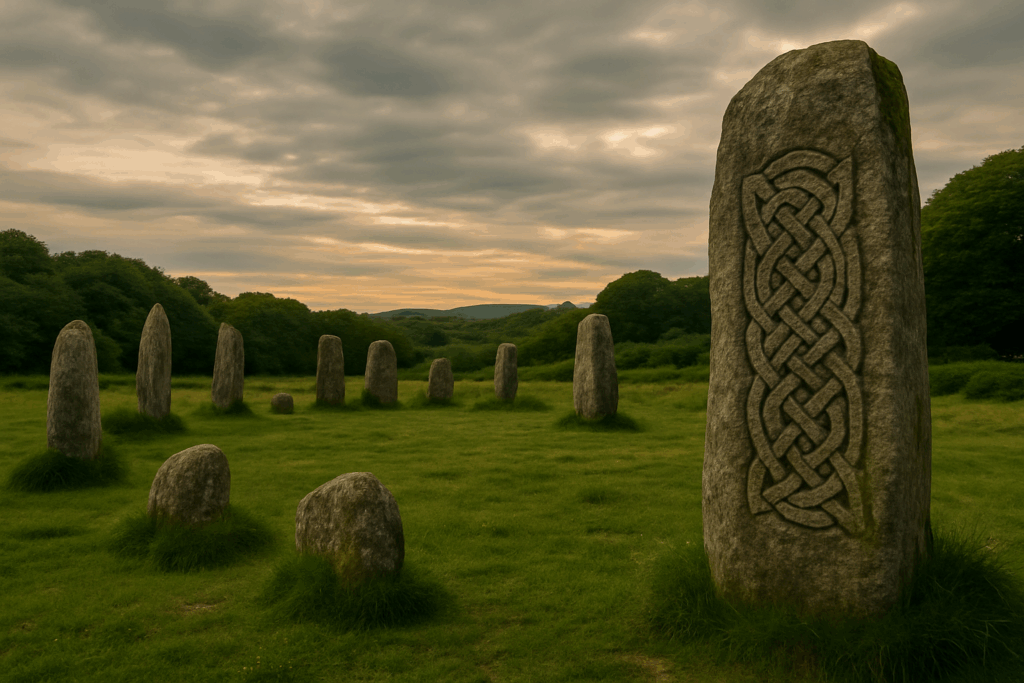
December 17 – Feast of Midwinter Spirits

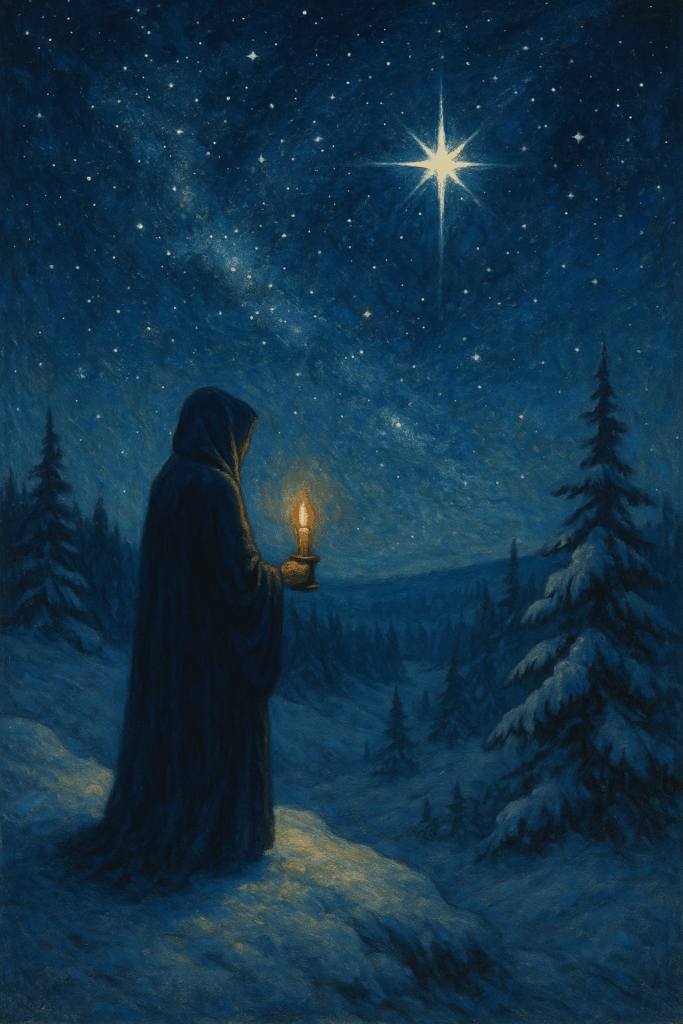
The deep heart of December glows with both mystery and memory. The frost clings to branches like silver lace, the nights stretch long and quiet, and beneath the hush, something stirs — the mingling of the living and the dead, the past and the present. On December 17, we gather for the Feast of Midwinter Spirits, a time to honor the ancestors and the gods of winter, to invite them to the hearth and table, to share in gratitude, remembrance, and sacred company. For the solstice nears, and as the veil between worlds thins once more, it is fitting to call our unseen kin to dine beside us — those who once walked the earth, and those divine beings who walk its mysteries still.
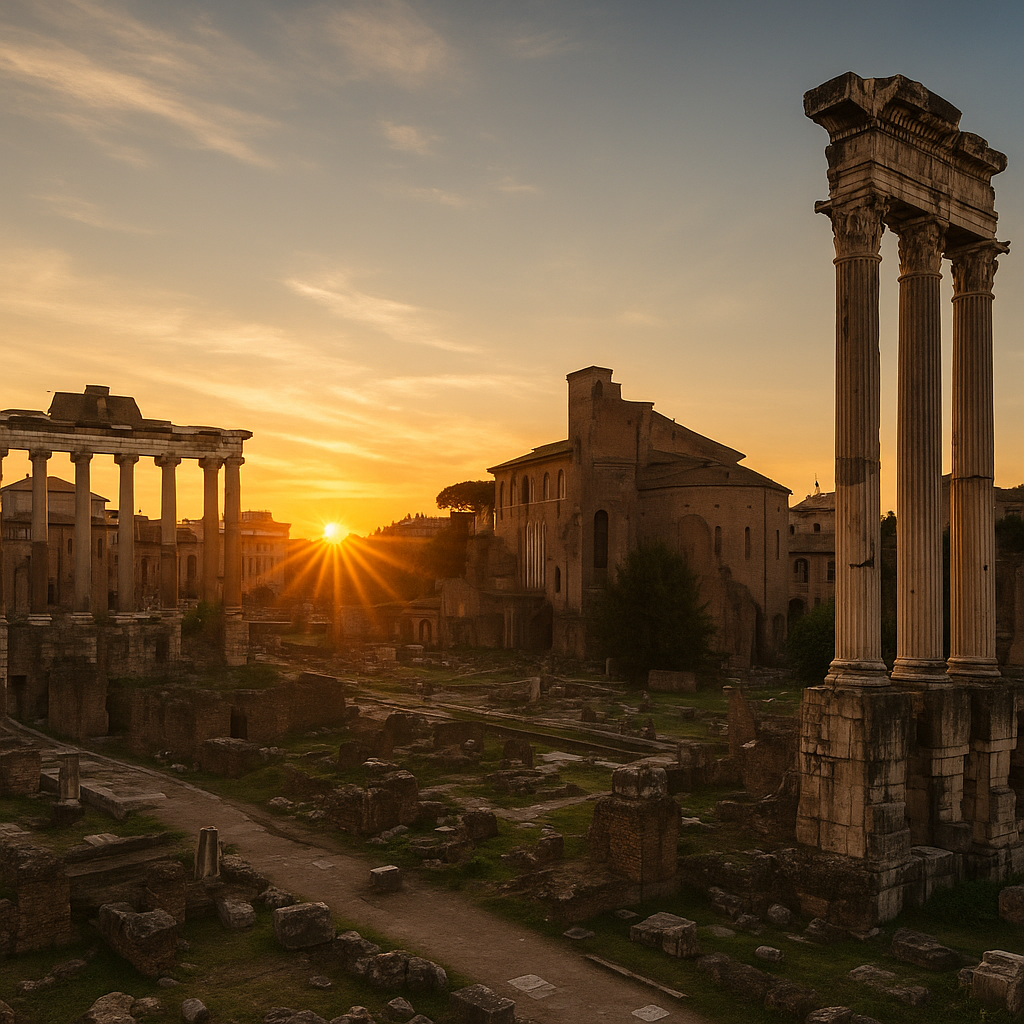
This night is an echo of ancient feasts that spanned cultures and continents — Roman Saturnalia, Norse Jólablót, Celtic Feast of the Dead, and Slavic Dziady — each blending joy, reverence, and the acknowledgement that life’s cycles intertwine with death’s. In the cold of midwinter, when survival depended on community and spirit, our ancestors gathered around the fire not only with the living but with the departed. They left out portions of food, raised toasts to the gods, and spoke the names of those gone before. To eat and drink together was an act of magic — a renewal of bonds between all worlds.
In pagan understanding, this feast is not one of sorrow but of continuity. The dead are not gone; they have merely crossed into another form of life. The Feast of Midwinter Spirits invites them home, for the veil of the solstice season allows easier passage between realms. It is said that on nights such as these, the ancestors walk unseen paths through the snow, drawn by the scent of bread, wine, and candlelight. To honor them is to reaffirm that love is stronger than death and that the lineage of spirit runs through time unbroken.
To prepare for this sacred feast, begin with cleansing your space. Sweep, wash, and light incense of pine, frankincense, or myrrh — scents of both earth and heaven. Then prepare your table as you would for honored guests. Use your best dishes if you can, or simple, heartfelt ones if not. Place a white or black cloth upon the table to represent the balance between life and death, dark and light. Adorn it with evergreens, holly, or winter berries. At the center, set a single candle — the Spirit Light — to guide the unseen to your hearth. This candle should remain burning throughout the meal as an open invitation to those who wish to join in peace.
Set an extra plate and cup at the table — the Ancestor’s Place. This seat symbolizes hospitality to the spirits, but also humility before the greater flow of life. Place upon it a portion of everything you serve: bread, wine, fruit, or whatever meal you have prepared. It is not the lavishness of the offering that matters, but its sincerity. As you set it down, speak aloud:
“Ancestors of blood and bone,
Ancestors of spirit known and unknown,
I call you to my table.
Come, share this meal in love and peace.
Bless this house as we honor you,
And carry our gratitude to the realms beyond.”
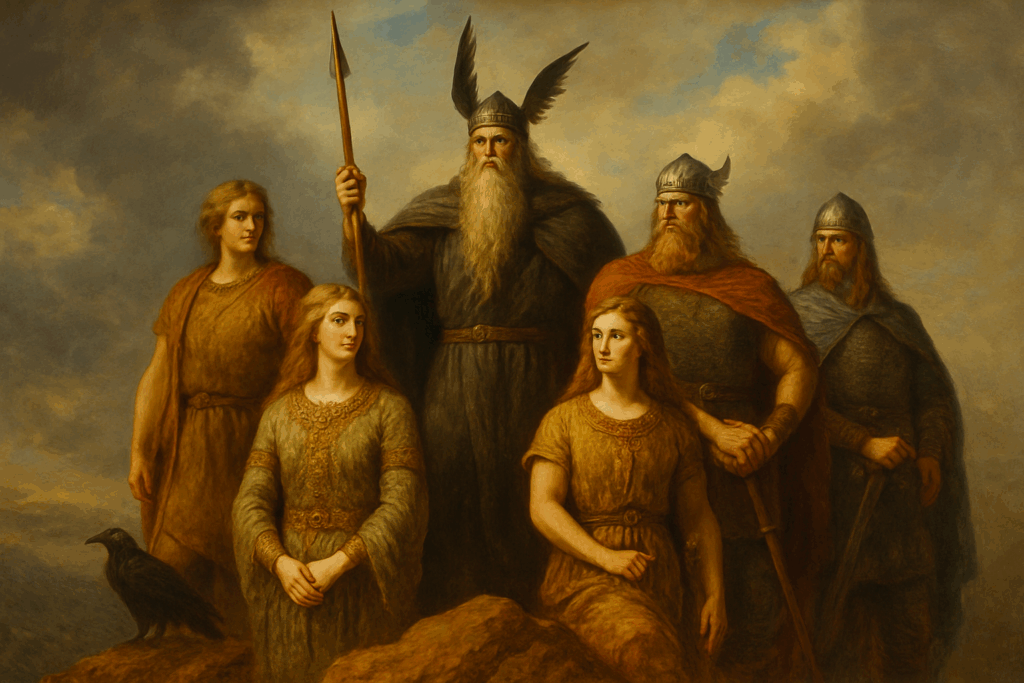
If you follow a specific pantheon, you may also invite the gods of winter and hearth to your feast — Odin, Skadi, Holda, Brigid, Cailleach, or any deity whose presence embodies wisdom, transformation, or protection through darkness. Each tradition has its divine guests: the Disir in Norse lore, the Matres in Celtic lands, the Lares and Penates of Roman homes. They, too, are part of the unseen family that sustains life through the cold.
When all is prepared, take your seat and begin the meal in mindful silence. Feel the warmth of the fire or candles, the scent of food, the rhythm of breath shared among those present. Speak gently to those who have passed. Say their names aloud, recount fond memories, tell stories that keep their spirits alive. In doing so, you give them a voice once more, for every remembered name is a spark rekindled in the darkness. You may raise your cup and say:
“To those who walked before us,
Whose steps shaped the path we tread,
We drink to your honor and your peace.
May your spirits be fed with love.”
This act transforms the simple meal into communion — a ritual of connection across time. The warmth of food and fire becomes offering, and the laughter or quiet tears that follow become prayers.
For those practicing in solitude, the Feast of Midwinter Spirits can still be deeply powerful. You may choose to dine quietly before your altar or hearth, speaking softly to your ancestors. Write letters to them if words are difficult — notes of gratitude, forgiveness, or remembrance — and burn them in the candle flame afterward, letting the smoke carry your messages upward. You might also place a photo, heirloom, or symbolic item beside your candle to strengthen the connection.
In many traditions, it is customary to leave the table set overnight, with food and candle left burning safely or replaced with a small tealight. This honors wandering spirits who may arrive late or travel from far realms. It is also a sign of continuing hospitality, ensuring blessings through the turning of the year. In the morning, return the offerings to the earth — beneath a tree, on the snow, or into running water — saying: “As the earth receives, so too shall blessings return.”
The Feast of Midwinter Spirits is not only about the dead but about the living’s relationship with them. By honoring those who came before, we strengthen our roots and deepen our resilience. We remember that we are part of a lineage older than time, that every breath we take carries the memory of countless ancestors who survived their own winters, their own solstices. The act of remembering them nourishes the soul just as the food nourishes the body.
Spiritually, this feast is also a celebration of continuity between the worlds. The solstice season blurs the boundaries between life and death, earth and sky, mortal and divine. The same cycle that turns the sun through darkness also turns our spirits through the great rhythm of existence. By sitting at the same table as our ancestors, we acknowledge that this cycle is sacred — that we, too, will one day take our place at the table of the unseen, and that those who come after will call our names with love.
This is also a day of gratitude and release. While sharing the feast, take time to thank the spirits for their guidance throughout the year. Reflect upon the lessons they’ve sent — in dreams, omens, or moments of intuition. If there are sorrows or burdens you still carry for the departed, offer them peace. You may say: “Go in light and love. I release all heaviness between us.” The midwinter feast is a moment to clear the heart as well as to fill it.
As the evening deepens, music and warmth often follow the meal. Sing if you can; music has always been a bridge between worlds. In old Yule celebrations, songs were offered not only to gods and ghosts but to the spirits of the land — trees, rivers, stones, and beasts — who joined in the revelry unseen. Their presence ensured fertility and abundance in the year ahead. You might hum softly or ring a bell to call these gentle spirits to bless your home.
When the final candle burns low and the night draws to its quiet close, whisper one last blessing:
“Spirits of hearth and kin unseen,
You have shared this night with me.
May you rest in peace and gladness,
Till the wheel turns, and we feast again.”
Extinguish the candle slowly, knowing that though the flames fade, the bonds remain. The ancestors return to their realms, the gods to their halls, but their presence lingers like warmth after a fire — unseen yet alive within every breath and heartbeat.
The Feast of Midwinter Spirits reminds us that death is not absence, and darkness is not emptiness. The invisible world moves alongside ours, and at certain sacred times, the veil grows thin enough for love to pass freely between them. When we share our bread and stories with those beyond the veil, we keep the eternal covenant of remembrance alive — that as long as the living remember, the dead are never truly gone.
May your hearth glow brightly this night. May your table be full, your ancestors content, and your heart peaceful in their presence. For though the world outside lies frozen and still, within the circle of your fire, all the ages dine together, and the wheel turns once more toward the returning light.