
365 Days of Men’s Mental Health: When Men Cry and People Get Uncomfortable

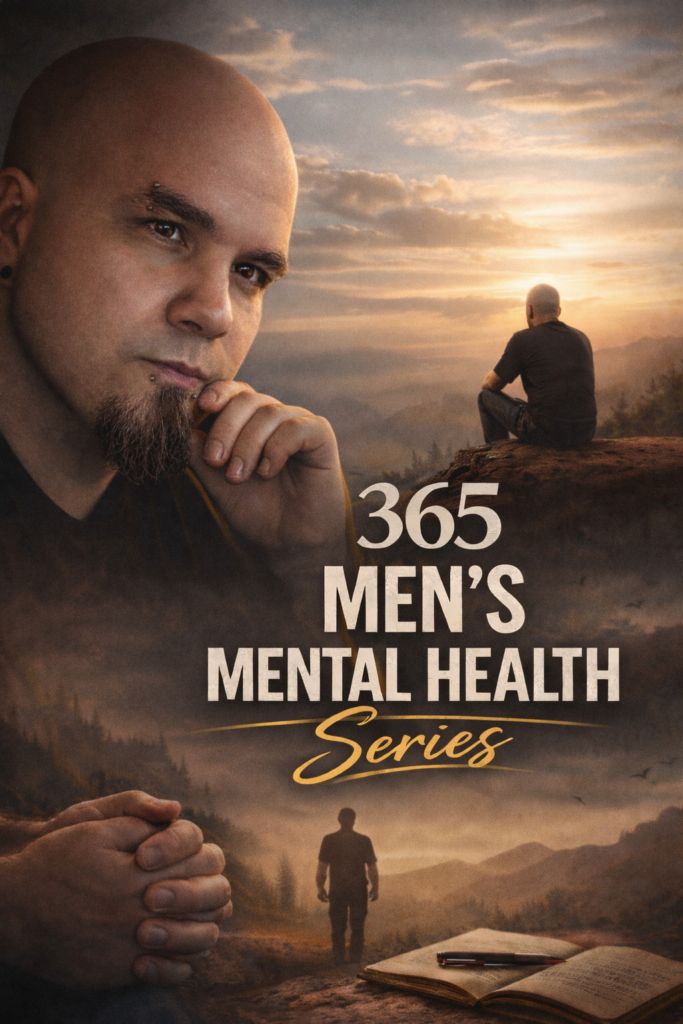
Day 10, January 23
There is a moment many men remember with unusual clarity. The first time they cried in front of others and felt the air change. It may have happened in childhood, when tears were met with embarrassment or correction. It may have happened later, during grief, loss, or emotional overwhelm. Regardless of when it occurred, the lesson was the same. Male tears make people uncomfortable. And that discomfort has consequences.
Crying is one of the most basic human expressions of distress. It is not an argument. It is not a threat. It is a signal that something hurts. Yet when men cry, the response they receive is often not concern, but unease. People look away. They rush to stop the tears. They minimize the cause. They offer solutions instead of presence. Sometimes they express irritation or disbelief. The message is subtle but unmistakable. This is not welcome here.
From early childhood, boys are taught that crying is a problem to be solved rather than a feeling to be witnessed. Tears are interrupted. Distractions are offered. Strength is praised when emotion is suppressed. Over time, many boys learn to associate crying with social risk. They learn that expressing sadness publicly can cost them respect, safety, or belonging.
As men grow older, the stakes increase. Tears are no longer framed as childish, but as alarming. When a man cries, people often do not know how to respond because it contradicts deeply ingrained expectations. Men are expected to be steady, composed, and controlled. Tears disrupt that image. They force observers to confront male vulnerability in a way that cannot be ignored.
This discomfort often leads to avoidance. Men report that when they cry, conversations abruptly end. Support becomes conditional. People grow quiet or visibly uneasy. Some men are told to calm down, to collect themselves, to step outside. These reactions communicate that emotional expression must be contained to protect others from discomfort.
The psychological impact of this response is profound. When crying is consistently met with discomfort or dismissal, men learn to associate emotional release with shame. They begin to suppress tears even in moments of deep grief. Over time, this suppression affects emotional processing. Feelings that are not expressed do not resolve. They linger in the body and mind.
Men often describe feeling emotionally blocked. They know something hurts, but cannot access release. Crying becomes difficult or impossible, even in private. This emotional constriction is not strength. It is a learned survival response. The body adapts to repeated signals that expression is unsafe.
The discomfort with male tears also reflects a broader fear of male emotion. Sadness in men is often misread as instability. Vulnerability is conflated with loss of control. People worry that if a man starts crying, something dangerous or uncontrollable might follow. This fear is not based on evidence. It is based on stereotype.
As a result, men are often allowed only one visible emotion. Anger. Anger is familiar. Anger fits existing narratives about masculinity. It does not require others to slow down or offer comfort. Anger can be confronted or dismissed. Sadness, on the other hand, requires presence. It asks for empathy rather than control. Many people are unprepared for that.
The cost of this imbalance is significant. When men are discouraged from expressing sadness, that sadness does not disappear. It often resurfaces as irritability, withdrawal, or emotional numbness. These expressions are then criticized as emotional unavailability or hostility, creating a cycle where men are punished both for expressing and for suppressing emotion.
Grief is one of the clearest examples. Men experiencing loss are often expected to remain composed. They are praised for being strong, for holding it together, for supporting others. While this may feel affirming initially, it leaves little room for men to process their own pain. Grief that is not expressed becomes complicated grief. It persists longer and cuts deeper.
The workplace reinforces these norms. Professional environments often view tears as unprofessional, particularly when they come from men. A man who cries at work risks being seen as unstable or unreliable. As a result, many men compartmentalize their emotions aggressively. They push feelings down to maintain performance, often at the cost of mental health.
Relationships are also affected. Men who do not feel safe crying often struggle with emotional intimacy. They may share facts but not feelings. They may describe events but not their impact. Partners may sense distance without understanding its origin. The absence of tears is misread as lack of depth rather than fear of judgment.
When men do cry in relationships, the response matters enormously. Some partners feel closer. Others feel unsettled. Some lose attraction. Others become caretakers in ways that feel uncomfortable. These varied responses teach men that crying is unpredictable in its consequences. Unpredictability increases risk. Risk encourages suppression.
The cultural discomfort with male tears also affects how men support each other. Many men do not know how to respond when another man cries. They may feel awkward or helpless. Without models for compassionate response, they default to distraction or problem solving. This reinforces the idea that tears are something to fix rather than honor.
Mental health suffers quietly in this environment. Men experiencing depression often struggle to cry even when they want to. Emotional release feels inaccessible. This blockage can intensify feelings of emptiness and hopelessness. When men cannot access sadness, they are more likely to experience despair as numbness rather than tears.
There is also shame attached to crying after the fact. Men often replay moments when they cried and judge themselves harshly. They worry they appeared weak or unstable. They question whether they lost respect. This rumination reinforces avoidance. Future tears are suppressed even more forcefully.
Allowing men to cry without consequence would not weaken society. It would strengthen it. Tears are not a failure of control. They are a sign that something matters. They are a natural response to loss, overwhelm, and pain. When men are allowed to express sadness openly, they are more likely to process emotions in healthy ways.
Changing this dynamic requires more than telling men it is okay to cry. It requires changing how others respond when they do. It requires staying present. It requires resisting the urge to fix or minimize. It requires treating male sadness as human rather than alarming.
Men need environments where tears are not treated as emergencies. Where crying does not trigger discomfort or withdrawal. Where sadness is met with steadiness and respect. Without this, men will continue to learn that emotional expression is unsafe.
As this series continues, the pattern remains consistent. Men are often permitted only narrow emotional expression. When they step outside that boundary, they encounter discomfort and consequence. This restriction shapes mental health in ways that are rarely acknowledged.
This is Day 10. When men cry and people get uncomfortable, the problem is not the tears. The problem is a culture that has forgotten how to witness male pain without fear.