
🌾 July 11 – Feast of the Sun God

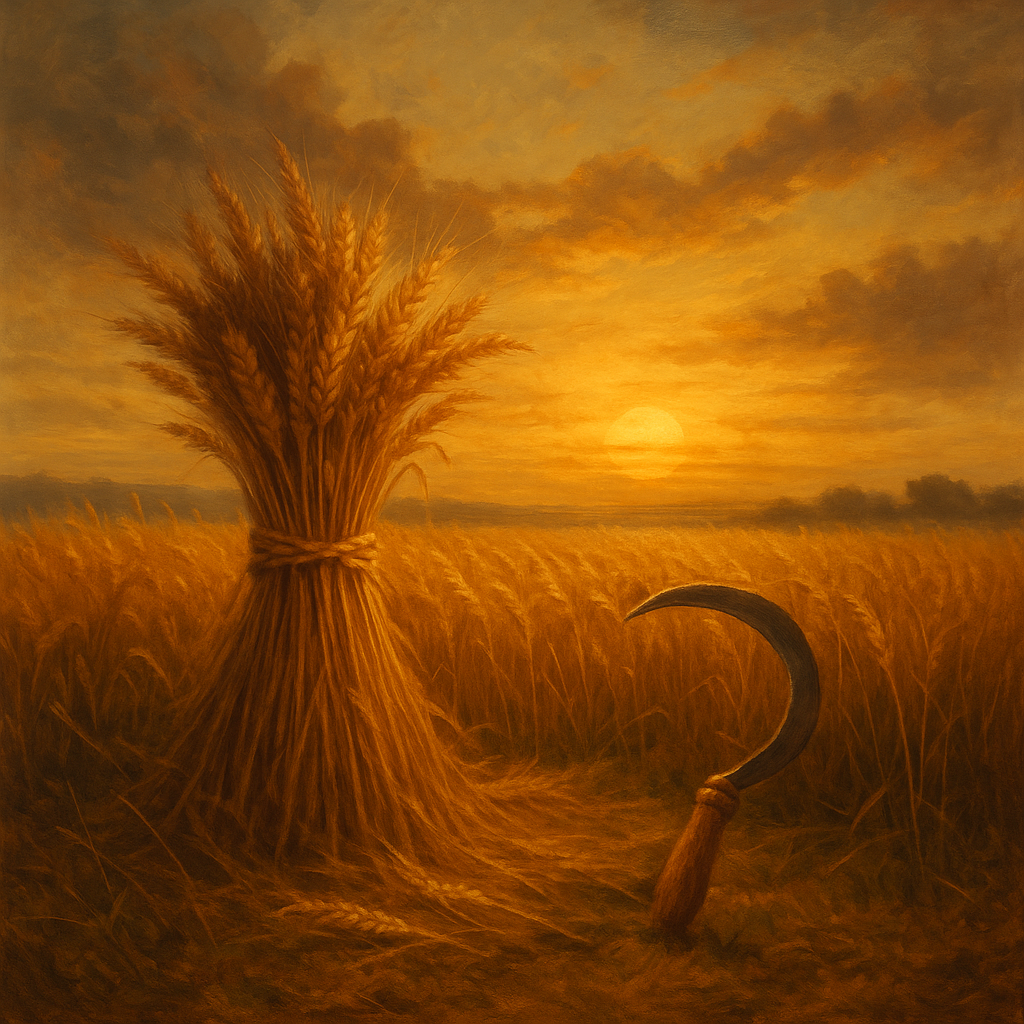
Honoring Lugh, Ra, or Apollo — Divine Power in Its Radiant Peak
The eleventh day of July stands at the very heart of the Sun’s reign. The fields shimmer in molten gold, the air thrums with warmth, and the world seems suspended in the brilliance of divine light. It is a day to honor the solar deities — those ancient gods who carry the fire of creation across the sky and through the hearts of humankind. Whether we name Him Lugh, Ra, Apollo, or by countless other names, the essence is the same: the Sun God is the giver of life, the illuminator of truth, and the sacred embodiment of power tempered by wisdom. Today, the Feast of the Sun God invites us to celebrate that radiant divinity — both in the heavens and within ourselves.
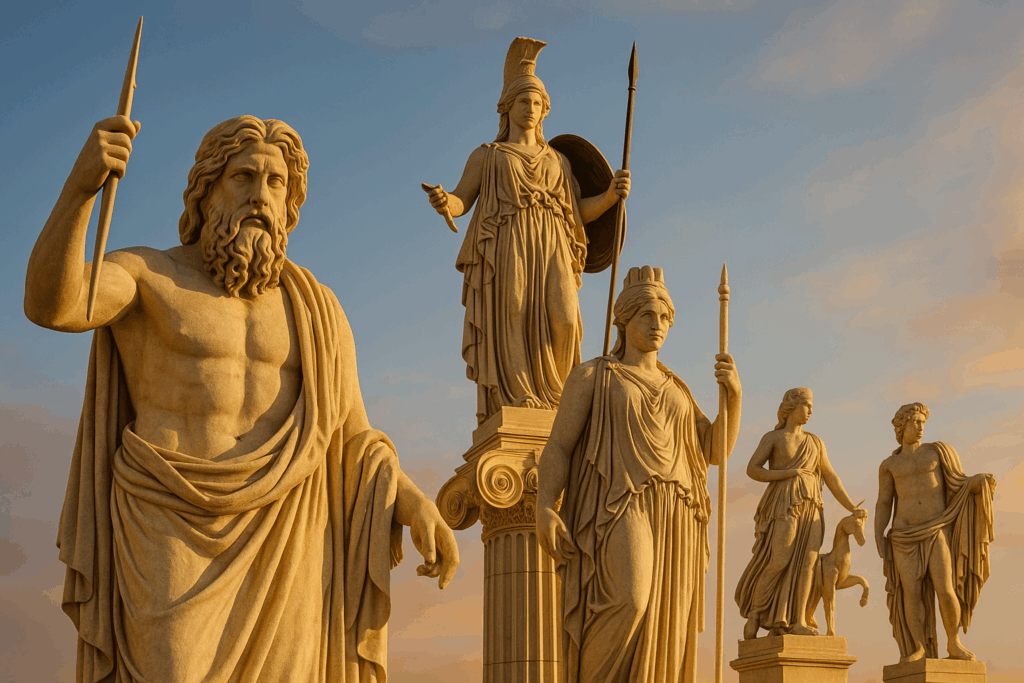
To the ancients, the Sun was more than a celestial body; it was the visible soul of the cosmos, the golden chariot that carried vitality through the ages. Its light was worshiped not only for its warmth and fertility but for its symbolic brilliance — the light of consciousness that dispels darkness and ignorance. In every culture, the Sun God was both protector and teacher: Ra, who sailed his solar barque through the underworld each night to rise renewed at dawn; Apollo, patron of prophecy, healing, and music, whose golden arrows were rays of illumination; Lugh, the shining one of Celtic myth, a god of skill, art, and leadership, whose light guided his people to mastery. To honor these deities is to awaken those same qualities within ourselves — strength, clarity, creativity, and purpose.
The Feast of the Sun God is a day of celebration and gratitude. The earth is rich with life; the crops stand tall; the air hums with ripeness. It is the moment before the turning toward harvest, when abundance reaches its zenith. To celebrate is not indulgence — it is acknowledgment, an offering of joy to the divine that sustains us. In Pagan tradition, feasting itself is a sacred act. When we eat and drink in gratitude, we participate in the eternal exchange of energy between the mortal and the divine. Each bite of bread, each sip of wine or honey mead is an offering returned — the Sun’s energy made manifest in food and drink, entering our bodies as living light.
Begin your observance of this day with the rising sun. Stand facing the east and greet the dawn as an old friend. Stretch your arms wide and breathe deeply, allowing the warmth to fill your chest. Say aloud: “I greet you, radiant one, source of life and power. As you rise, so do I. As you shine, so shall I shine.” You may wish to light a candle of gold or orange to represent the Sun’s flame, keeping it burning throughout your rituals or meditations. This candle becomes a microcosm of the divine fire — the eternal spark that connects you to the cosmic heart.
At noon, when the Sun is at its highest, take time to reflect upon what “radiance” means in your own life. How do you express your light? Where do you withhold it? The Sun teaches that illumination is a responsibility — that true strength lies not in domination, but in the willingness to shine so that others may see more clearly. If Lugh is your patron, consider your skills and how they may serve your community. If Ra speaks to your spirit, reflect on how you carry divine order through your actions. If Apollo calls to you, honor the pursuit of truth and beauty as forms of devotion. The Feast of the Sun God is a reminder that our talents are not accidents — they are rays of divine purpose, meant to warm and inspire the world.
To create a feast in His honor, prepare foods that embody sunlight and vitality: grains, corn, honey, citrus fruits, and golden vegetables like squash or peppers. Fresh bread baked with herbs gathered from your garden becomes an offering of both earth and fire. Mead or honey wine, glistening like liquid amber, is the perfect libation — a drink of sunlight distilled. As you prepare and eat, speak blessings over your food: “Blessed be this feast, born of earth and flame. May it nourish body and spirit as the Sun nourishes all life.” Share your meal with loved ones, or leave a small portion outdoors as an offering to the spirits of light.
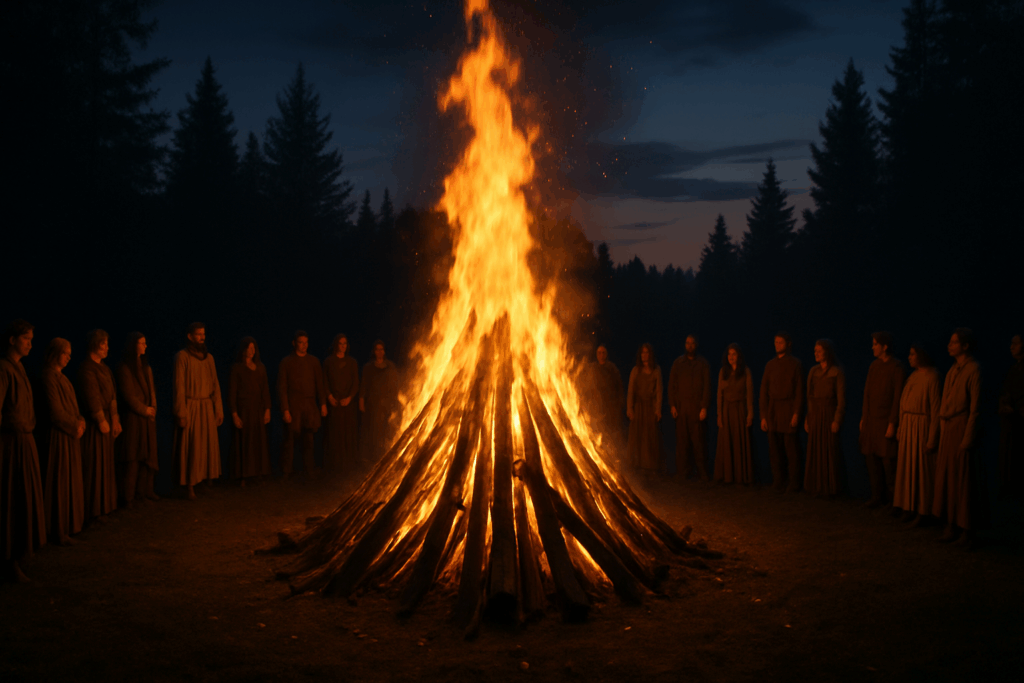
Music and movement are sacred forms of solar worship. The Sun’s energy thrives in rhythm and expression. Drumming, singing, and dancing under its warmth are acts of reverence that mirror its constant motion across the sky. You may choose to circle with others, hands joined, or dance alone beneath the open air. As you move, visualize golden light streaming from your heart, flowing outward to bless the land, the people, and the unseen realms. The Feast of the Sun God celebrates not only the external light but the inner flame that connects us all.
In meditation, envision the Sun as a vast orb above your head, radiating both heat and wisdom. Its light flows down into you, through your crown and heart, filling you with vitality and illumination. Within this glow, see your higher self — your divine nature — revealed in perfect clarity. Ask this light for guidance on your path. You may receive a vision, a word, or simply a sense of assurance. Trust it, for the Sun God speaks not only through thunderous revelation but through the quiet certainty of truth.
The solar gods also remind us of balance. Their brilliance must be tempered with compassion, lest power consume itself. In myth, the Sun’s journey through the night represents the necessary descent — the period of rest and renewal that allows the light to rise again. Likewise, we must not burn endlessly in striving. The Feast is not only a celebration of power but an acknowledgment of rest — the knowing that radiance must ebb and flow. After the feast, when twilight falls and the sky blushes with fading gold, sit in stillness. Watch the Sun sink below the horizon. Whisper: “Go well, shining one, and return renewed. As you rest, I rest. As you rise, I rise.”
Throughout history, people have carried the Sun’s imagery as talismans of hope and protection. A golden pendant, a wheel symbol, or a disk of polished amber may serve as your solar charm for the year ahead. Hold it up to the sunlight today and bless it: “By the power of the eternal flame, may this charm carry the light of truth and courage within me always.” Keep it close when you need strength or clarity, and remember — the same light that burns in the heavens burns within your heart.
The Feast of the Sun God is both cosmic and personal. It honors the vast brilliance of creation and the small, steady fire of human will. It reminds us that divinity is not distant — it pulses through our veins, glows in our laughter, and shines in every act of kindness and courage. As night falls and the stars awaken, feel the lingering warmth upon your skin. That is the Sun’s blessing — not gone, only resting. In its cycle, we see our own: the daily dying and rebirth of hope, the eternal promise that light will return.
So feast, sing, and shine. Honor Lugh, Ra, Apollo, or whichever name your spirit calls. Lift your face to the heavens and say: “I am a child of the Sun, and its light lives within me.” And as you speak, know that the gods of the golden fire smile upon you — radiant, eternal, and ever-renewing.

Responses