🔥 May 5 – The Honey Moon’s KissCelebrating love’s sweetness and the power of connection

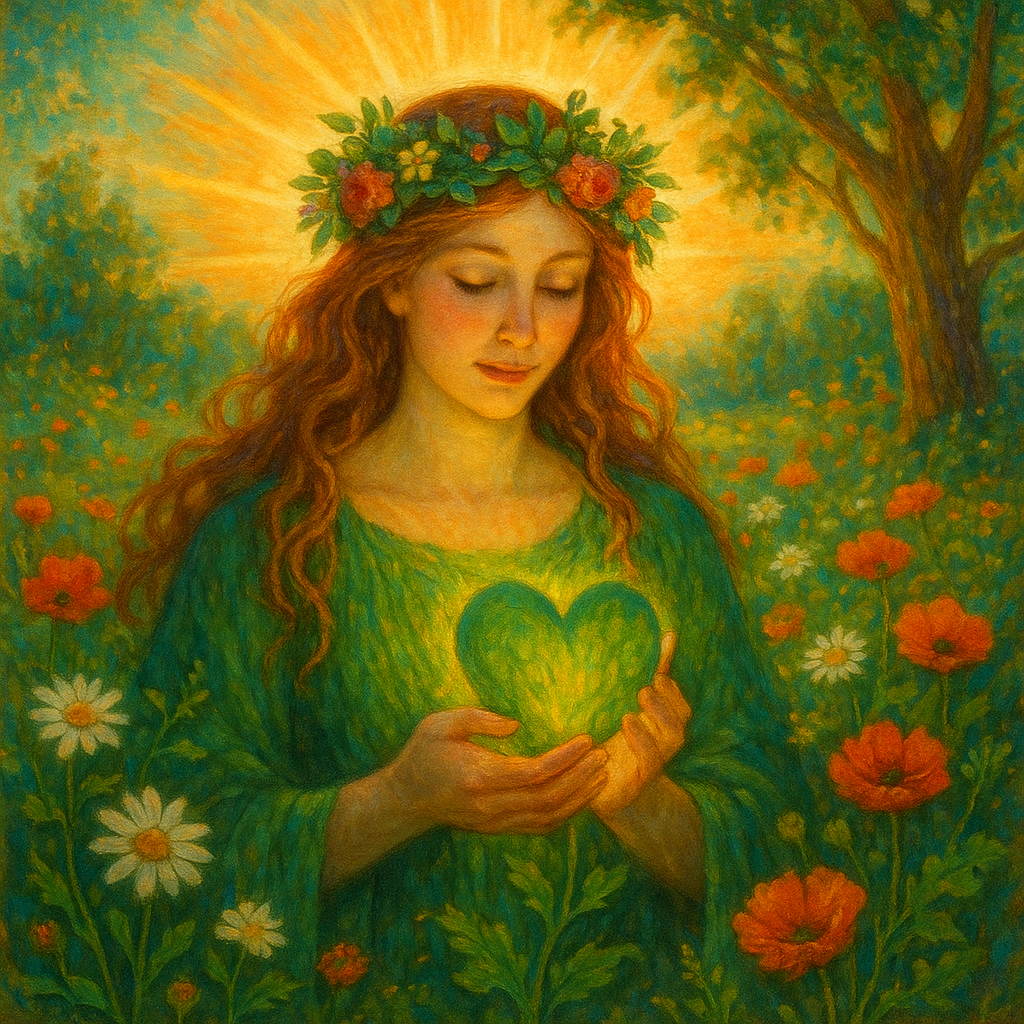
The air in early May is thick with perfume — apple blossoms, lilac, clover, and wild rose. Bees hum their golden hymns between blooms, their flight patterns forming invisible mandalas of life. The sun, strong and sure now, pours warmth upon the land, awakening every green thing into fullness. It is under this sweet and shimmering sky that we arrive at May 5, the day of The Honey Moon’s Kiss — a day of love’s sweetness, of union’s gentle glow after the fire, and of celebrating the divine power that connects all beings through affection, devotion, and joy.
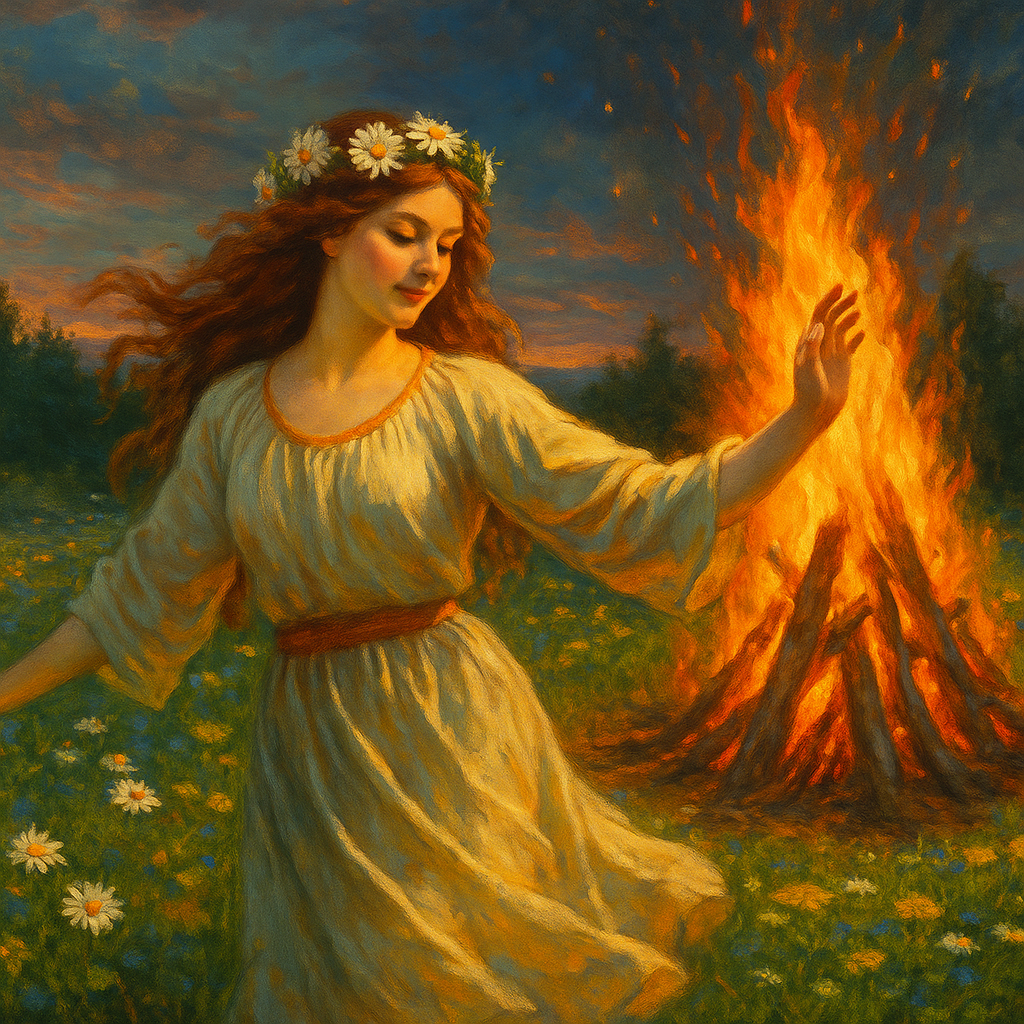
The Honey Moon is an old name for the full moon that follows Beltane, symbolizing fertility, sweetness, and the alchemy of love. It is from this word that the term honeymoon arises — the month of honey and passion following marriage, when love is still tender, wild, and luminous. But its meaning runs deeper than romantic love. The Honey Moon is the lunar counterpart to the solar fires of Beltane. Where the bonfire blazes with outward passion, the Honey Moon glows with inward warmth. It represents love as sustenance, as nourishment, as sacred reciprocity. If Beltane is the spark, the Honey Moon is the golden honey distilled from that flame — slow, sweet, enduring.
To celebrate this day is to honor connection in all its forms. Love is not merely the joining of two bodies or hearts; it is the sacred energy that binds the universe together. It is the invisible thread that stretches from bee to blossom, from parent to child, from sun to leaf, from human to Earth. It is the hum of life itself — the vibration that animates creation. In pagan thought, love is not sentimental but elemental. It is the same force that causes rivers to flow and stars to burn. To love is to align oneself with the current of existence, to recognize that to give and to receive are one and the same.
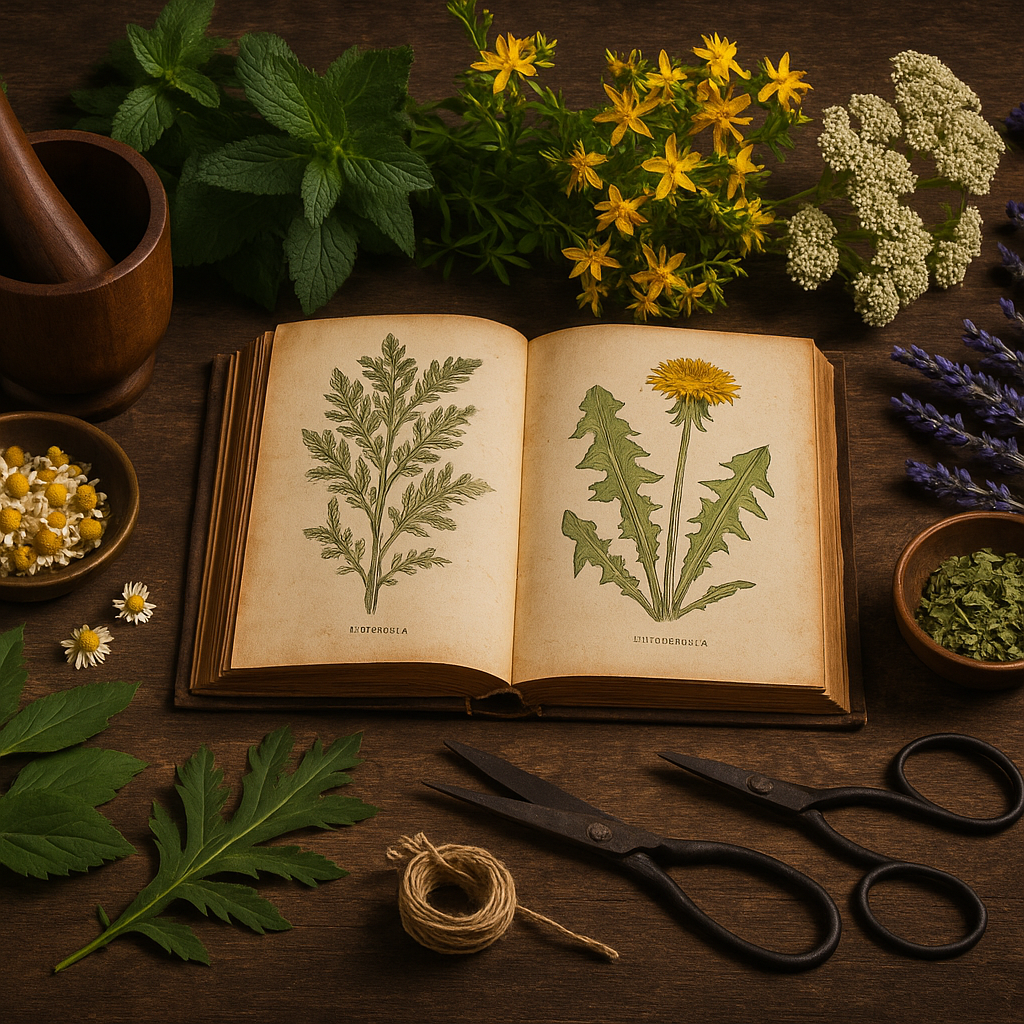
The symbol of honey carries ancient significance. It is the fruit of labor and cooperation, the alchemy of transformation. Bees, through tireless devotion, turn nectar into gold — a miracle of sweetness born of unity. Honey is both food and medicine, sacred to many deities of love and life. The Greeks offered it to Aphrodite, the Celts to Brigid, the Egyptians to Hathor. It was used to anoint the dead, to seal vows, and to sweeten words in ritual. Honey is life condensed — sunlight and blossom transformed into eternal amber. When we taste it, we partake of that same divine process: desire refined through devotion, passion transformed into nourishment.
In the pagan soul, this day is one for quiet celebration — not the wild fires of Beltane night, but the soft glow of connection’s aftermath. If Beltane was a symphony, May 5 is its lingering echo, a gentle melody that fills the air with gratitude and affection. Lovers might rise early and share honeyed bread or fruit beneath the morning sun, exchanging whispered vows of appreciation. Solitary practitioners might honor the sweetness of self-love, recognizing that to cherish one’s own being is the foundation of all other love. Families, friends, and communities may share simple meals together, giving thanks for the bonds that hold them.
The Honey Moon’s magic lies in mutual blessing. Just as bees and flowers depend upon one another — the flower offering nectar, the bee offering pollination — so too do we thrive through reciprocity. In relationships, both spiritual and mundane, this law of exchange sustains harmony. To take without gratitude, or to give without joy, upsets the natural flow. Today is a day to restore that flow. Speak kindness where silence has lingered, give affection where it has been withheld, and allow yourself to receive love without resistance. The universe itself is an endless circle of giving and receiving — this is its heartbeat.
A simple ritual to honor this day might begin with honey. Place a small bowl or jar of it upon your altar, surrounded by flowers or candles of gold and cream. Dip your finger into the honey and anoint your lips, saying softly:
“Sweet is the gift of love,
Golden as the Sun, soft as the Moon.
May my words be kind, my heart be open,
My spirit flow in harmony with all.”
Taste the honey, and as it melts upon your tongue, meditate on the sweetness that life offers you — not in grandeur, but in the quiet moments of beauty: a smile, a touch, a gentle word. These are the nectar drops of existence, easily overlooked but profoundly sustaining.
Another way to celebrate is through acts of care — for others, for the land, and for oneself. The Honey Moon teaches that love is action. The bee does not simply admire the flower; it engages with it, nourishes it, and carries its essence outward to create life elsewhere. In this spirit, do something today that expresses your love tangibly. Tend your garden, share food, write a letter, forgive someone, or spend time with those who bring warmth to your heart. Every act of care is a drop of honey in the chalice of the world.
There is also a sensual undercurrent to the Honey Moon’s Kiss. After Beltane’s fiery rites, the sensuality of May 5 turns inward — less about passion’s flame, more about pleasure’s savor. It is a day for appreciating the sacredness of the senses: the taste of honey, the scent of flowers, the warmth of sunlight upon skin, the sound of laughter. Sensuality is not only of the flesh but of the soul — it is the full engagement of one’s being with the experience of life. To live sensually is to live awake, to find divinity in every sensory detail of existence.
Spiritually, this day reminds us that love and sweetness are not luxuries; they are necessities. In a world often driven by struggle and scarcity, choosing tenderness is an act of rebellion — a declaration of faith in life’s inherent goodness. Honey, though small in measure, carries immense potency. So too does every act of kindness, every word of love spoken into a world that forgets its sacredness. The Honey Moon’s Kiss is the universe’s gentle reminder that sweetness is strength — not naive, but alchemical.
The Moon’s influence on this day cannot be ignored. Whether or not the actual moon is full, her energy of reflection and connection pervades this season. She mirrors the light of the Sun — just as love mirrors divinity through human hearts. The Honey Moon is the lunar response to Beltane’s solar fire, a dance of illumination and reflection. Together, they form the eternal rhythm of giving and receiving — flame and nectar, passion and tenderness, light and shadow intertwined.
At sunset, as the day softens into gold, take a final moment to honor the sweetness in your life. Light a candle and place a small drop of honey at its base, letting its glow remind you that love, like light, multiplies when shared. Whisper a prayer or affirmation of gratitude for all that you love — and all that loves you in return. The universe listens to such prayers keenly, for they are its own heartbeat echoed in human form.
In truth, the Honey Moon’s Kiss is not a single day but a way of being. It teaches that love, like honey, takes time and intention to make — that sweetness is not accidental, but cultivated through care. It reminds us that the fire of passion, when tempered with gratitude and devotion, becomes the golden elixir that sustains us through all seasons.
So may your May 5 be filled with warmth, kindness, and connection. May you taste the sweetness of life in every breath, and may love — whether romantic, platonic, or divine — flow freely through your days. For in the end, the Honey Moon’s kiss is the whisper of the universe upon your soul, saying: You are loved. You are part of all. You are the honey and the flower, the giver and the gift.