🌦️ April 2 – Rain on the Stone

Purification and the Music of Falling Water
There are moments when the world seems to exhale, and the breath that falls is rain. Soft or sudden, gentle or wild, it carries with it the quiet voice of renewal — the whispered hymn of the Earth cleansing itself. The rain upon stone is one of the oldest songs the world has ever known, a rhythm that predates words and ceremony. On April 2, when the spring rains awaken the sleeping soil and wash away the remnants of winter, we listen to this music and remember: purification is not merely a ritual act, but a natural law of existence.
In Pagan thought, rain is sacred. It is the blood of the sky, the tears of the gods, the living thread between air and earth. Every droplet holds the memory of cloud and ocean, of wind and river — a cycle of infinite becoming. To stand in the rain, to feel it touch your skin, is to be baptized not in doctrine but in life itself. The world renews itself through water, and so too do we.
The Elemental Baptism
Water has always been the purifier among the elements. Fire transforms through destruction, air through inspiration, earth through grounding — but water cleanses through surrender. It does not fight; it flows. It embraces the lowest place and, through patience, wears down even the hardest stone. In this quiet power lies its divinity.
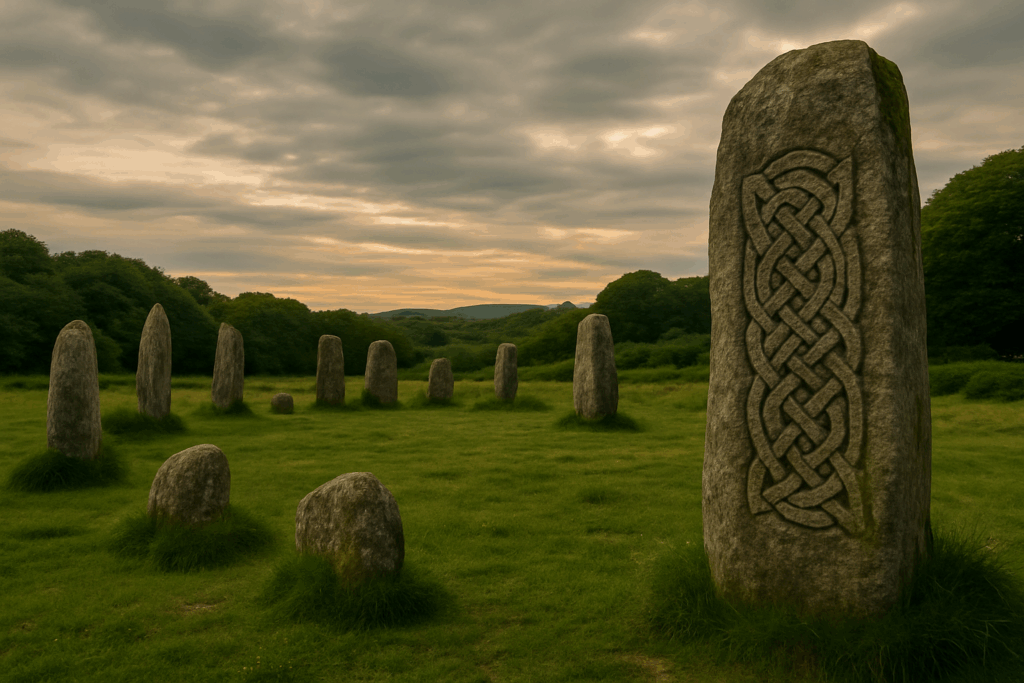
When the rain falls upon stone, the meeting of the two becomes a sacred dialogue. Stone, ancient and steadfast, represents endurance and memory — the bones of the world. Rain, transient and fluid, symbolizes the eternal return, the ever-renewing pulse of life. Together, they embody the perfect alchemy of stability and change. Their song is one of humility and persistence: even the unyielding heart must eventually open to grace.
Take time today to step outside and listen. Truly listen. The patter of rain upon rock, roof, or leaf is more than background noise; it is the Earth speaking in her oldest tongue. If you cannot go outdoors, open your window, close your eyes, and let the sound wash through you. Imagine the rain striking the stones of ancient temples, washing clean the shrines of forgotten gods, and know that you are hearing the same melody they once heard.
The Purification Rite
There is no need for elaborate ceremony to honor this day. Simplicity is the soul of water magic. If you can, gather rainwater — not with grasping, but with gratitude. Place a bowl of natural material (stone, glass, or clay) outside to collect it. As the water gathers, whisper a blessing of cleansing:
“Sky to earth, cloud to clay,
Wash the old and clear the way.
Let what lingers now be gone,
In rain’s embrace, I am reborn.”
Once collected, this rainwater may be used throughout the month for purification of tools, spaces, or spirit. Dab it upon your brow to clear mental fog, sprinkle it around your home to invite freshness, or pour a few drops into your bath to release stagnant emotion. Each act becomes a form of communion with the living world — a recognition that we are never separate from the cycles that sustain us.
In ritual, rainwater is especially potent when combined with stone. Choose a small stone from your garden, a streambed, or a place sacred to you. Wash it gently in the collected rain and speak your intentions aloud. Perhaps you seek to release old fears, grief, or guilt. Perhaps you simply wish for clarity. Let the water bear these emotions away. Then, place the stone in sunlight or moonlight to dry — purified, grounded, reborn.
The Alchemy of Letting Go
Rain is not only cleansing; it is also forgiving. It reminds us that release is not failure. When the clouds finally open, they do so not out of weakness but fulfillment. What they have gathered must fall, and in falling, the world is nourished.
So too with our emotions and burdens. We hold them, we gather them, we build the storm within — but eventually, to grow, we must let them pour forth. Tears are the human form of rain, and their power is no less sacred. To weep without shame is to practice the oldest form of purification known to spirit. It is the body’s own rain ritual — softening the stone within the heart.
In many pagan paths, water is associated with the west, with twilight, with endings that prepare for new beginnings. Rain, therefore, is not simply a metaphor for washing away sin or sorrow; it is the promise of transformation. The stone that endures the storm is changed by it — smoothed, reshaped, and sometimes even cracked open to reveal hidden crystals within.
So, when the rain falls today, do not seek shelter too quickly. Let a few drops touch your face. Let the coolness remind you that even the hardest moments in life can be softened. You are the stone and the rain — ancient, enduring, and ever-renewing.
Listening to the Music of the Rain
If you’ve ever sat by a window on a gray afternoon and listened to the steady rhythm of falling rain, you have already practiced a kind of meditation. The sound invites stillness. It draws the mind away from anxious thought and into the slow pulse of the Earth. This is not emptiness, but fullness — a deep awareness that all things are interconnected.
In Druidic and animist practice, listening is a sacred act. To listen is to honor spirit, to acknowledge that every sound — from the rustle of leaves to the murmur of rain — is an expression of the divine. The rain’s song can teach us patience, humility, and the art of presence.
You may choose to incorporate this into your spiritual routine: once a week, during a rain shower, set aside ten minutes to listen without distraction. No music, no phones, no conversation — only the sound of water meeting the world. With time, you may begin to notice subtle changes in tone and rhythm, like the notes of a living symphony. This awareness deepens your connection to the land and awakens intuitive understanding of weather, mood, and spirit.
Rain as the Voice of the Goddess
In many mythologies, the rain is the Goddess speaking — her weeping, her blessing, her song of renewal. The Sumerian Inanna, the Celtic Danu, the Hindu Saraswati — all are linked to water’s flow and the fertility it brings. Even the Christian Mary is often depicted with tears that cleanse and bless. The symbolism crosses boundaries because it speaks to a universal truth: creation and compassion are born from flow, not from stillness.
When you next see rain sliding down a windowpane, imagine it as divine touch. Each droplet is a syllable in a language of love, written by the sky upon the earth. And when those droplets strike stone, they awaken memory — the record of ages stored in the bones of the planet. It is said in Celtic lore that stones hold knowledge, that the wise can hear the Earth’s memories if they listen closely enough. Perhaps the rain is the way those memories are released, one silver note at a time.
Closing the Circle
As evening comes and the rain begins to ease, close your day’s reflection with an offering of gratitude. Step outside, bow your head, and whisper thanks to the clouds, the earth, and the sacred union between them. Know that the water you feel upon your skin has traveled oceans, rivers, and skies to reach you. In every drop is the story of the world’s renewal.
You are part of that story. You are the listener, the stone, the vessel through which the rain continues its eternal journey. Each time you honor the falling water, you align yourself with that timeless rhythm — the endless music of cleansing and creation.