🌦️ April 1 – The Fool’s Fire

Celebrating Spontaneity, Laughter, and the Sacred Trickster’s Energy
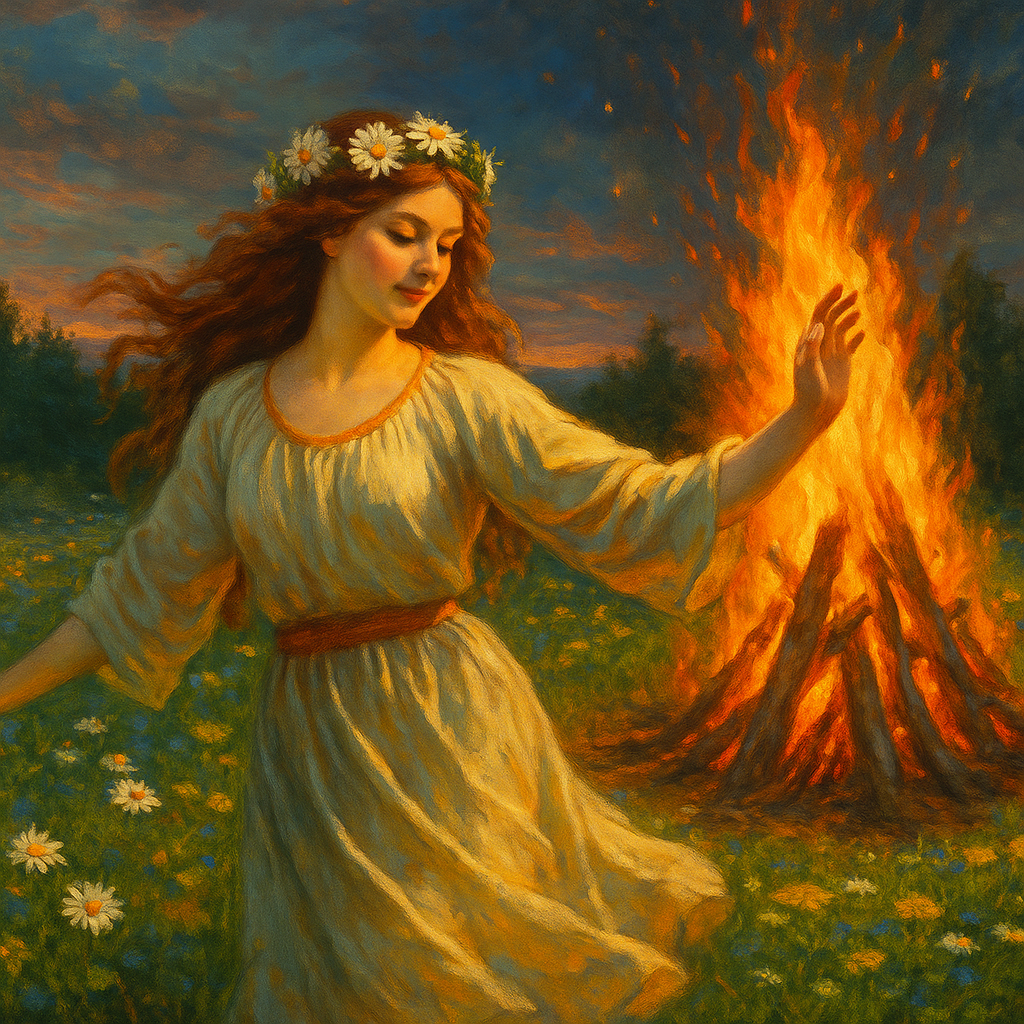
There is a curious light that flickers at the beginning of April — a spark of irreverence and wonder that dances between mirth and madness. This is the Fool’s Fire, the flame of the sacred trickster, that most paradoxical of spirits who brings wisdom through folly and freedom through chaos. To walk with the Fool is to remember the divine playfulness of existence, to step lightly into uncertainty, and to rediscover the wild heart of magic that hides beneath our masks of order.
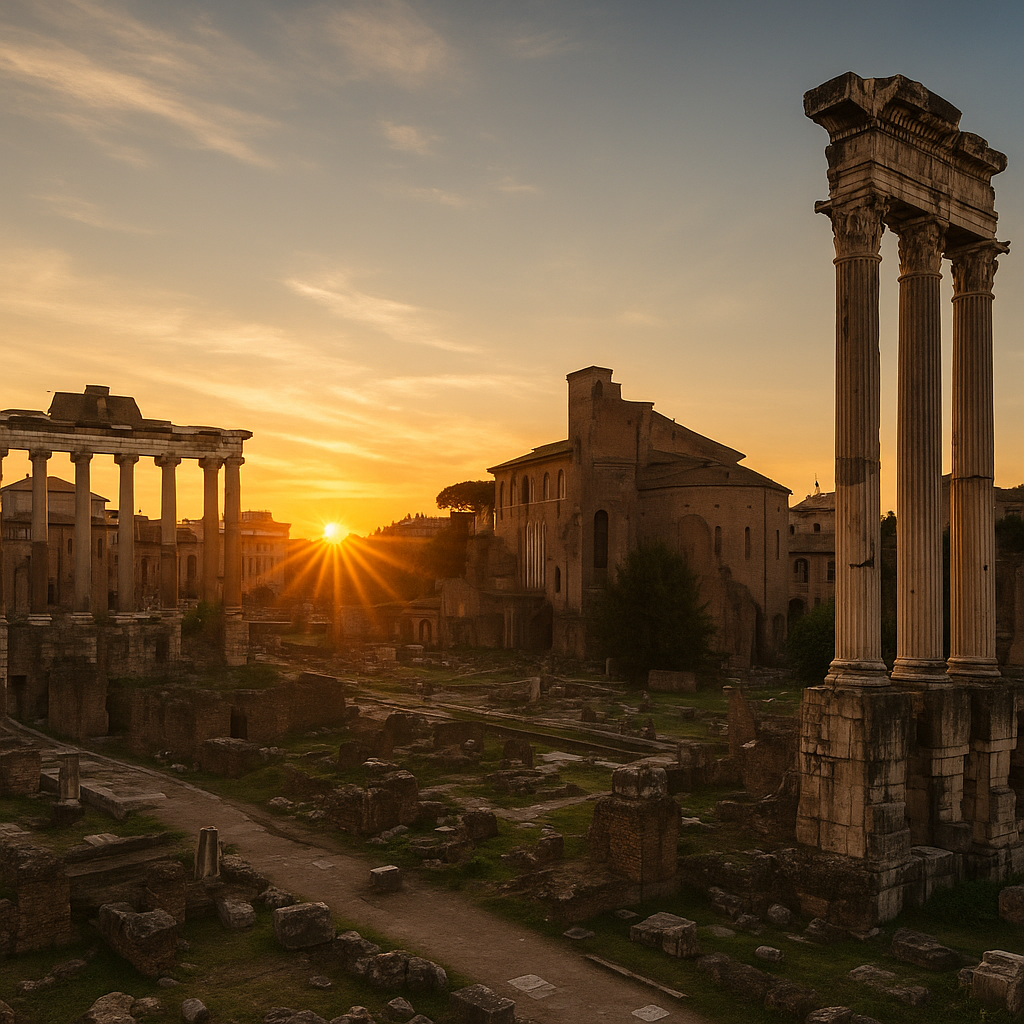
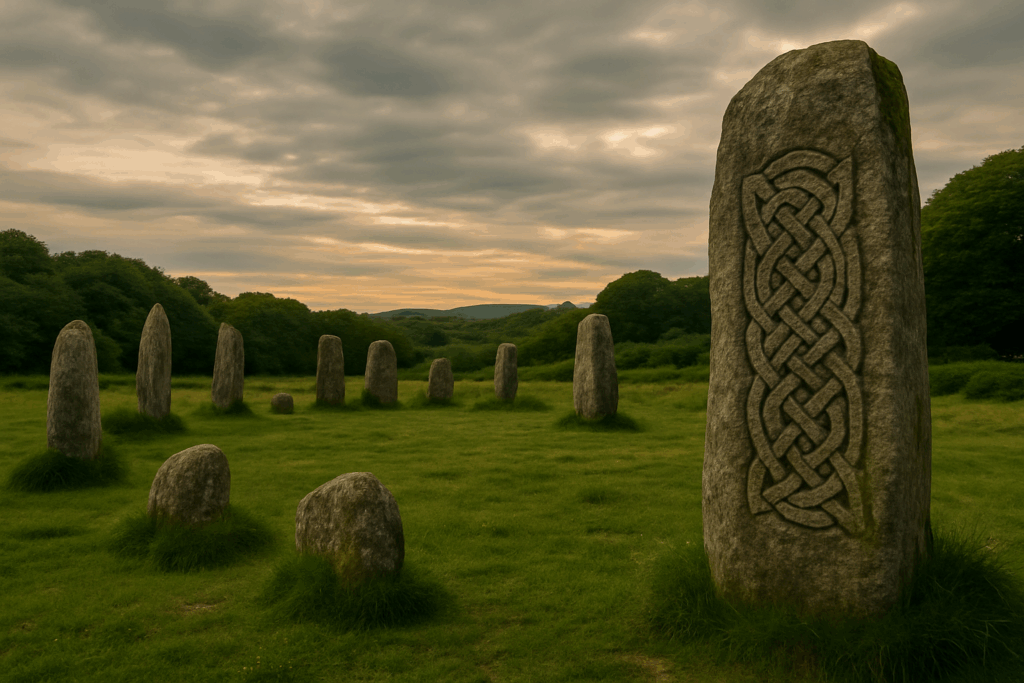
In the wheel of the pagan year, April 1st is not merely a day for human jest. It echoes far older traditions — moments in which inversion, laughter, and illusion were sacred acts of rebalancing. In ancient festivals like the Roman Hilaria or the Celtic observances of spring’s mischief, the boundary between gods and mortals loosened. The trickster walked among us, shaking the dust from our seriousness and lighting fires in the corners of our minds. The laughter that rose was not mockery but liberation — a reminder that life, for all its gravity, is not meant to be carried as a burden but danced as a mystery.
The Trickster’s Flame
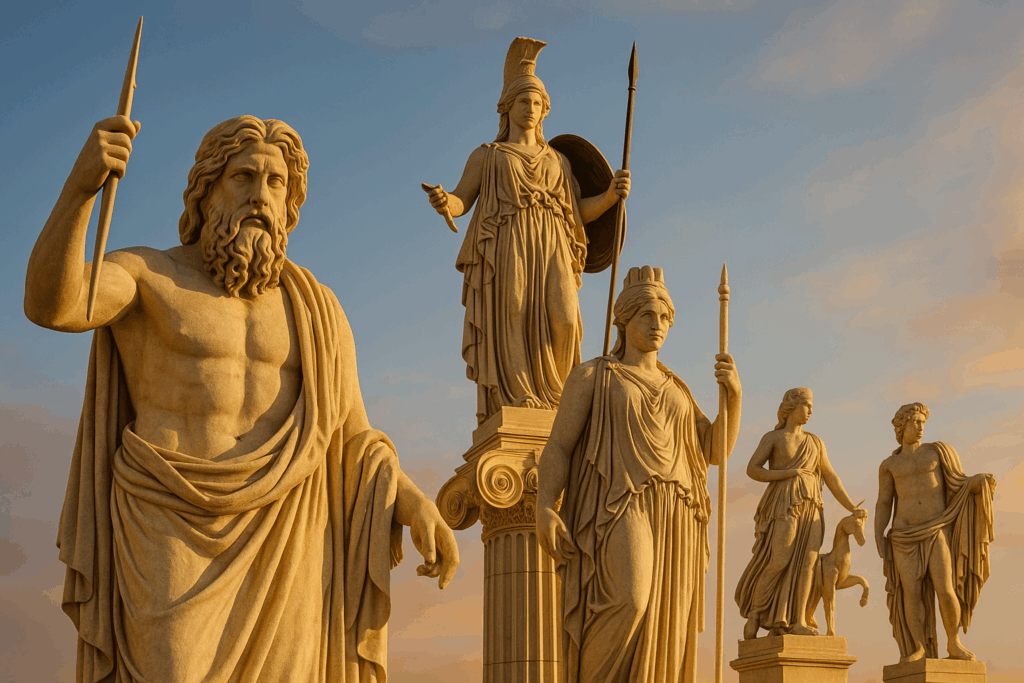
The Fool’s Fire burns in every culture. Loki, Coyote, Hermes, Puck, Eshu, the Raven — each is a guardian of paradox, a teacher cloaked in absurdity. These beings are not evil nor wholly benevolent. They are the agents of change, catalysts who remind us that stagnation is the enemy of spirit. In their laughter is transformation; in their pranks, hidden enlightenment.
When we invite the Fool’s Fire into our practice, we do not ask for chaos for its own sake, but for the wisdom that comes from embracing uncertainty. To honor the Fool is to recognize the sacredness of risk, of error, of imperfection. Laughter becomes a spell — one that breaks enchantments of fear, pride, and rigidity. The Fool’s torch lights our way through confusion, revealing that every misstep can lead us closer to truth if we meet it with open eyes and a willing heart.
Rituals of Mirth and Clarity
Begin this day with a symbolic gesture of reversal. Wear mismatched garments, eat dessert for breakfast, or perform your morning rites backwards. Such acts may seem trivial, yet they serve a purpose: to shake the cobwebs of routine and remind the spirit that the world is not fixed, but fluid.
At the altar, light a candle — a flame for the Fool’s Fire — and speak words of gratitude for laughter, imperfection, and surprise. Offer a coin, a feather, or a small trinket representing spontaneity. Then, in quiet reflection or through playful meditation, ask the Trickster within:
“What illusions bind me? What laughter will free me?”
You may find that the answer comes not as words, but as a sudden urge to act — to dance, to sing off-key, to reach out to someone you’ve avoided, or to take a small but meaningful risk. Trust it. The Fool’s Fire burns brightest when we allow authenticity to take the stage.
Laughter can also cleanse sacred space. As water and smoke purify the body and air, so too does mirth purify the soul. Gather with friends or covenmates and share stories of your most ridiculous magical mishaps or human foibles. In vulnerability, laughter becomes communion. It breaks down the ego’s walls and restores the flow of joy — the original current of creation.
The Wisdom of Uncertainty
In the tarot, the Fool stands at the beginning of the journey — numbered zero, limitless, untouched by the weight of expectation. He steps off the cliff not in ignorance but in trust, guided by instinct and innocence. This archetype mirrors the season of April itself: new beginnings, unpredictable weather, the rebirth of the land after winter’s stillness. The Fool reminds us that no true growth comes without stepping into the unknown.
The Fool’s Fire asks us to release control and find courage in surrender. It whispers: Leap before you know. Trust before you see. Every act of creation begins with this spark — the willingness to risk failure, to look foolish in pursuit of something real. Artists, witches, and mystics alike live by this flame. For the magic that works most powerfully is not the one rehearsed to perfection, but the one cast in the living moment, trembling with uncertainty yet radiant with authenticity.
Dancing Between Worlds
The Fool also belongs to liminal space — the crossroads, thresholds, and wild edges where ordinary rules blur. His laughter echoes between the worlds, reminding us that spirit and matter, sacred and profane, are but two faces of the same coin. When we walk with the Fool, we become alchemists of paradox: we learn to see divinity in absurdity, to find guidance in confusion, to dance where others would stumble.
In modern practice, this can take many forms. Trickster devotion might involve honoring deities like Hermes or Loki, crafting rituals that include riddles, wordplay, or theatrical misdirection. It might mean working with illusions — mirrors, masks, or shifting lights — to explore the mutable nature of self. For others, it may simply mean reclaiming humor as holy, treating laughter as prayer.
In truth, the Fool’s Fire is not a god outside us but a current within — the restless, curious spark of divine creativity that refuses to be tamed. When we suppress it, life grows stale; when we feed it, everything comes alive again.
The Sacred Comedy
Every soul is a performer upon the great stage of existence. The Fool teaches us that to play our part fully, we must remember that the play itself is divine. The mistakes, the detours, the pratfalls — all are woven into the cosmic comedy. In laughter, we glimpse the unity of all things, the joy that underlies creation.
So let April begin not with solemn ritual but with bright-eyed wonder. Laugh at yourself, at the world, at the magnificent absurdity of being alive. For in that laughter, you honor the Trickster who holds up the mirror of truth and lights the Fool’s Fire — the eternal flame of becoming.