🌸 Mar 15 – The Vernal CauldronTransformation through joy and renewal

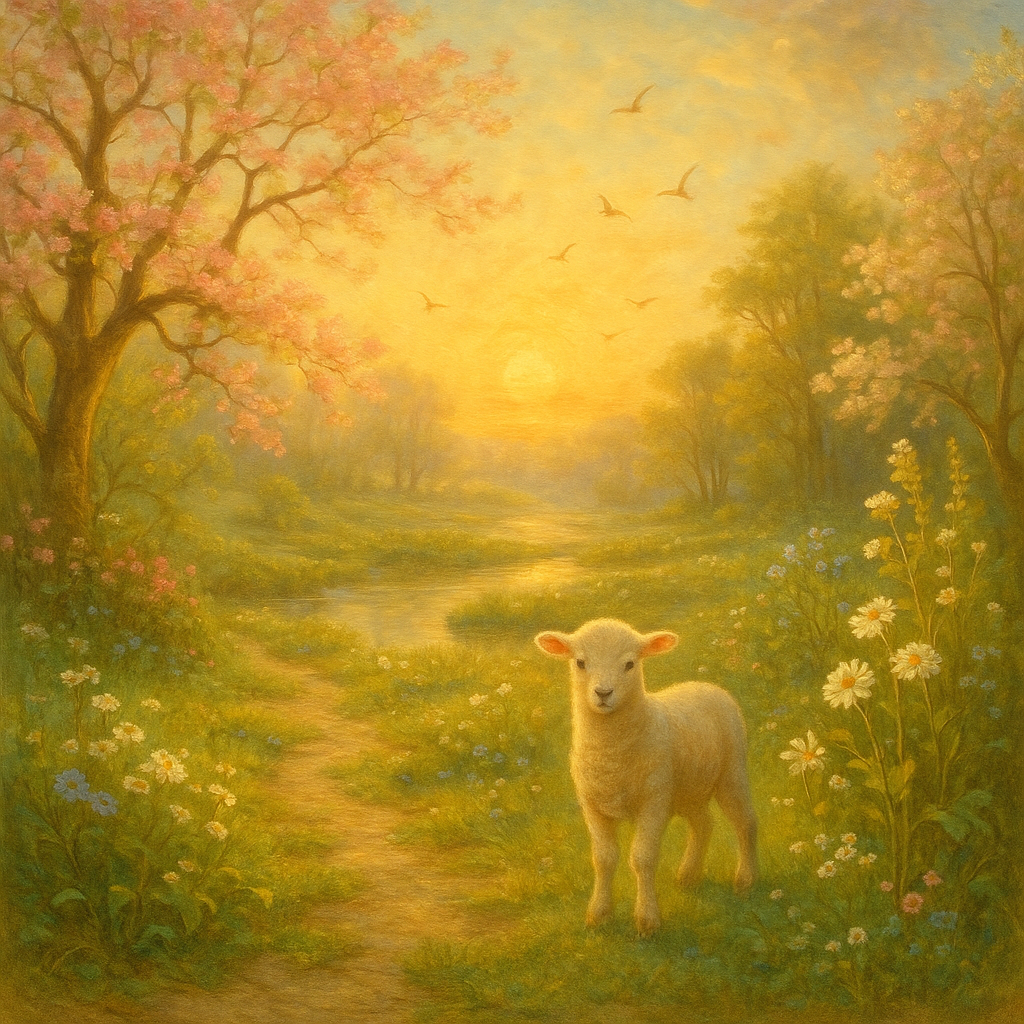
By the fifteenth of March, the air has changed — no longer cool and tentative, but alive with warmth and scent. The sap is rising, flowers are budding in earnest, and the Earth seems to hum beneath our feet. This is a day of alchemy, of elements meeting and transforming. The Vernal Cauldron stirs — that great vessel of creation where winter’s stillness melts into spring’s vitality, where death and rebirth mingle in sacred union. Today we gather around that invisible cauldron, honoring transformation through joy and the renewing fire of life.
The cauldron has always been a powerful symbol in pagan and witchcraft traditions. It is the vessel of the Goddess, the womb of creation, the alchemical container where all things are changed. From Cerridwen’s cauldron of inspiration to the Dagda’s cauldron of plenty, it represents both nourishment and transmutation. What enters it is never the same as what emerges. In the cycle of the seasons, the vernal cauldron is the Earth herself — melting ice, warming soil, swelling buds. Within her depths, new life is being brewed.
We, too, are part of that sacred brewing. Every dream, every emotion, every challenge is a component of our inner potion. The magic of this day lies in recognizing that transformation does not always come through struggle. It can also arise through joy — through the willingness to celebrate life’s constant becoming. The Vernal Cauldron teaches that joy itself is an act of alchemy, capable of turning heaviness into light and stagnation into movement.
To begin your communion with this energy, prepare a small ritual space — your own symbolic cauldron of renewal. You will need a bowl or pot (any vessel will do), a candle, a bit of water, and something to represent Earth (soil, stone, or a seed). Arrange them together on your altar or outdoors beneath the open sky. As you light the candle, take a deep breath and feel the warmth on your face. This is the spark of transformation — the fire that awakens all things.
Say softly:
“Cauldron of Earth and Sun’s embrace,
Melt the cold from time and space.
Transform my heart, renew my soul,
Through joy’s bright flame, I become whole.”
Spend a few moments gazing into the flame. Imagine it stirring the elements around it — heating the water, warming the soil, awakening the seed. This is the same process happening within you and within the world: the fire of spirit animating matter, turning potential into growth.
Next, pour the water gently into the bowl or cauldron. Hear its sound, the soft echo of rivers and rain. This is the emotional current that flows through life. As you watch the ripples, reflect on what within you is ready to be transformed. Perhaps it is a lingering sadness, an old habit, a fear that has kept you small. Name it quietly — not with judgment, but with compassion. Then imagine the flame’s light infusing the water, transforming that heaviness into clarity and renewal.
Dip your fingers into the water and touch it to your heart, your brow, and your hands, saying:
“As fire and water meet, I am renewed.
As Earth and spirit join, I am transformed.”
This is the alchemy of spring — not an external event but an internal shift. We are not separate from the season’s rebirth; we are its participants. Every act of kindness, every moment of laughter, every burst of creative energy is a spark within the great cauldron of becoming.
The Vernal Cauldron also represents the union of opposites — of masculine and feminine, of light and dark, of body and spirit. In pagan lore, this is the time when the young God begins to court the Maiden, their dance of attraction setting the world aflame with fertility. But beyond gendered symbolism lies a deeper truth: transformation requires harmony. Fire without water consumes; water without fire stagnates. The balance of these forces creates life.
In our own lives, this union takes the form of integration. The mind joins with the heart, logic with intuition, stillness with action. The cauldron within us blends these elements, refining them into wisdom. Through this process, we are invited to embrace all aspects of ourselves — even those we once rejected — and to see them as ingredients in our personal magic.
One powerful exercise for today is the Cauldron Reflection. Take your bowl of water and place it in sunlight. As you look into its surface, imagine it as your own soul — deep, luminous, ever-changing. Ask yourself: “What am I ready to release into transformation? What joy am I ready to welcome?” Then, write your answers on two small pieces of paper — one for release, one for renewal. Burn the first (safely) in your candle flame, watching the smoke rise like spirit released. Submerge the second gently into the water, allowing it to soak in possibility.
Say:
“What I release becomes light.
What I welcome becomes life.”
When the ritual feels complete, pour the water onto the Earth, returning your intention to the living world. You have given your transformation to the cauldron of creation, where the Earth and the divine will weave it into being.
The joy that arises from such acts is not fleeting happiness, but deep contentment — the kind that comes from alignment with nature’s rhythm. Joy is the spark that keeps transformation alive. Without it, our magic becomes mechanical, our growth heavy. The Earth does not strain to bloom; she rejoices in it. The same is true of the spirit. When we approach life as sacred play rather than endless labor, our energy flows freely, and renewal becomes effortless.
This is why dance, laughter, and celebration are as holy as meditation and prayer. In many ancient traditions, the equinox season was marked with feasting, music, and communal joy — not as indulgence, but as sacred acknowledgment of life’s abundance. To laugh with the Earth is to share in her power. To sing is to keep her rhythm alive. The cauldron of transformation bubbles best when stirred with gratitude and delight.
As evening descends, revisit your candle and whisper a final blessing:
“Cauldron of spring, bright and true,
Through joy and change, I am made new.
Fire and water, Earth and air,
In your dance, I am aware.”
Allow the flame to burn as long as feels right, then extinguish it gently, knowing that the light remains within you.
The Vernal Cauldron reminds us that transformation need not be dramatic or painful. Sometimes it is as simple as softening into joy, as quiet as choosing to begin again. Every breath is a stirring of the cauldron, every heartbeat a spark of renewal. As the world brightens around you, trust that your own inner alchemy is at work. You are being remade in harmony with the season — lighter, clearer, more alive.
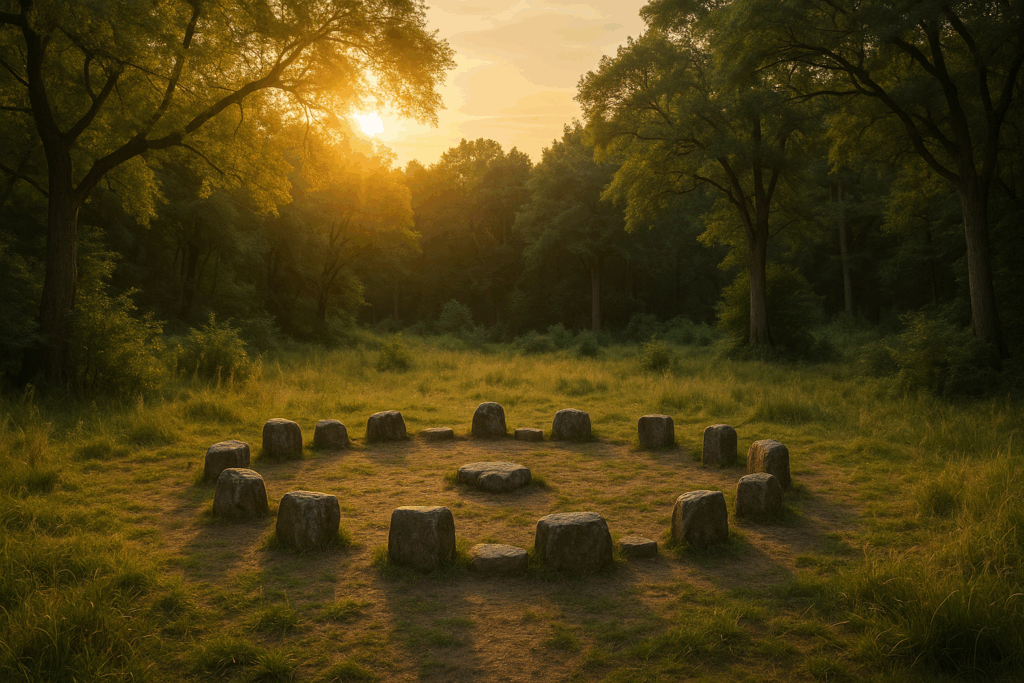
The Earth herself is your teacher: melting, flowing, blooming, creating. Within her vast cauldron, all things dissolve and are born anew. Stand within that sacred circle and feel it — the pulse of life brewing through your veins. You, too, are part of the potion.