🌿 Jan 26 – Ritual of the Spindle and Thread: Weaving Intentions for the Months Ahead

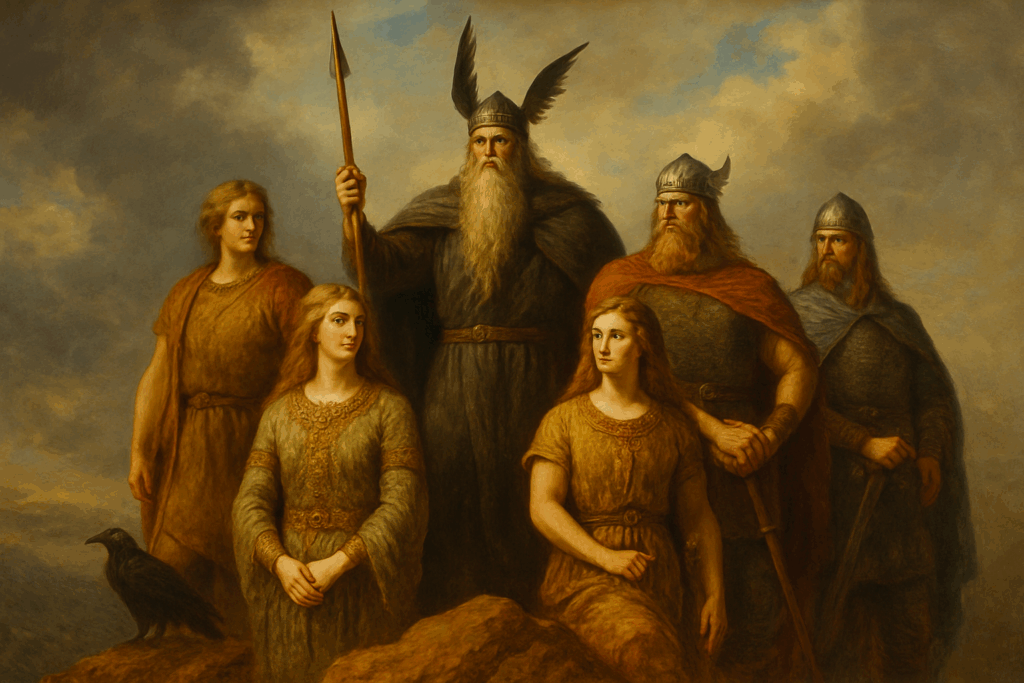
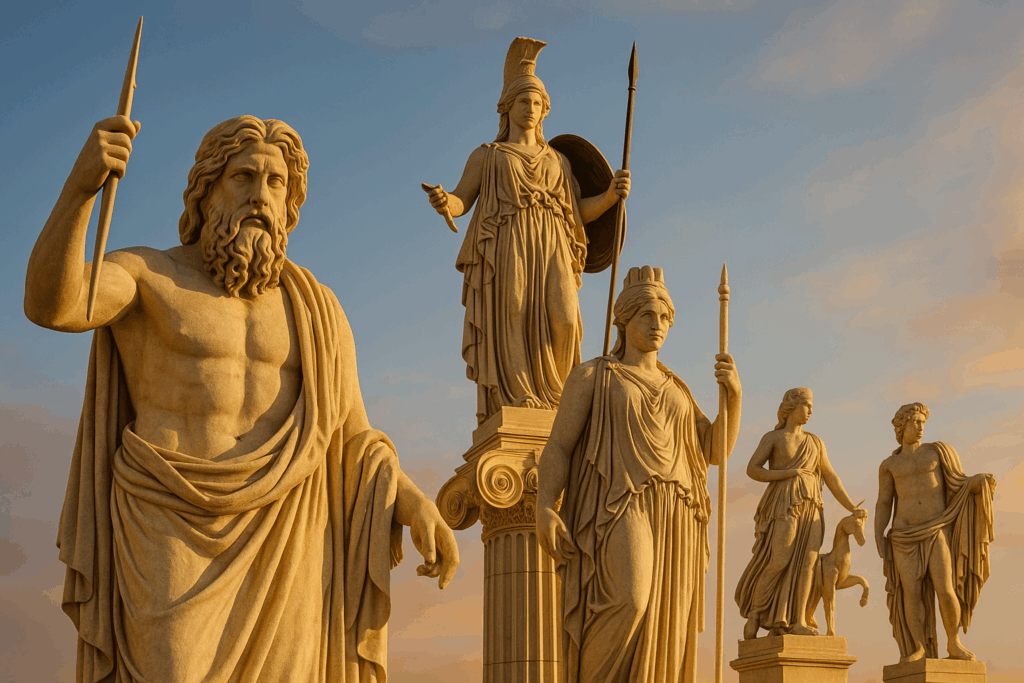
From the beginning of time, weaving has been an act of divine power. In myth and memory, it is the art by which the cosmos itself was formed. The Norns at the roots of Yggdrasil wove the fates of gods and mortals; the Moirai spun, measured, and cut the threads of life; the goddess Frigg was said to weave the clouds, while the Celtic Brigid spun the threads of inspiration and destiny. Every spindle, loom, and thread echoes these first acts of creation — acts not merely of craft, but of will.
To weave, in the old sense, is to shape the unseen. It is to gather the raw materials of possibility — thoughts, dreams, emotions, and intentions — and bind them together into tangible reality. The witch who spins or ties a thread works with one of the most ancient magical tools known: the line of connection, symbol of continuity between past and future, mortal and divine.
On this day, we honor that power by performing the Ritual of the Spindle and Thread, a rite of manifestation and foresight for the months to come.
The Symbolism of Thread and Spindle
Thread represents continuity — the lifeline between what was and what shall be. Each twist in the strand holds potential energy, like a spell wound tight, ready to release its power when woven into form. The spindle, rod, or needle is the tool of focus — the channel through which energy moves from spirit into matter. Together, they remind us that all creation is a weaving: of time, thought, and intention.
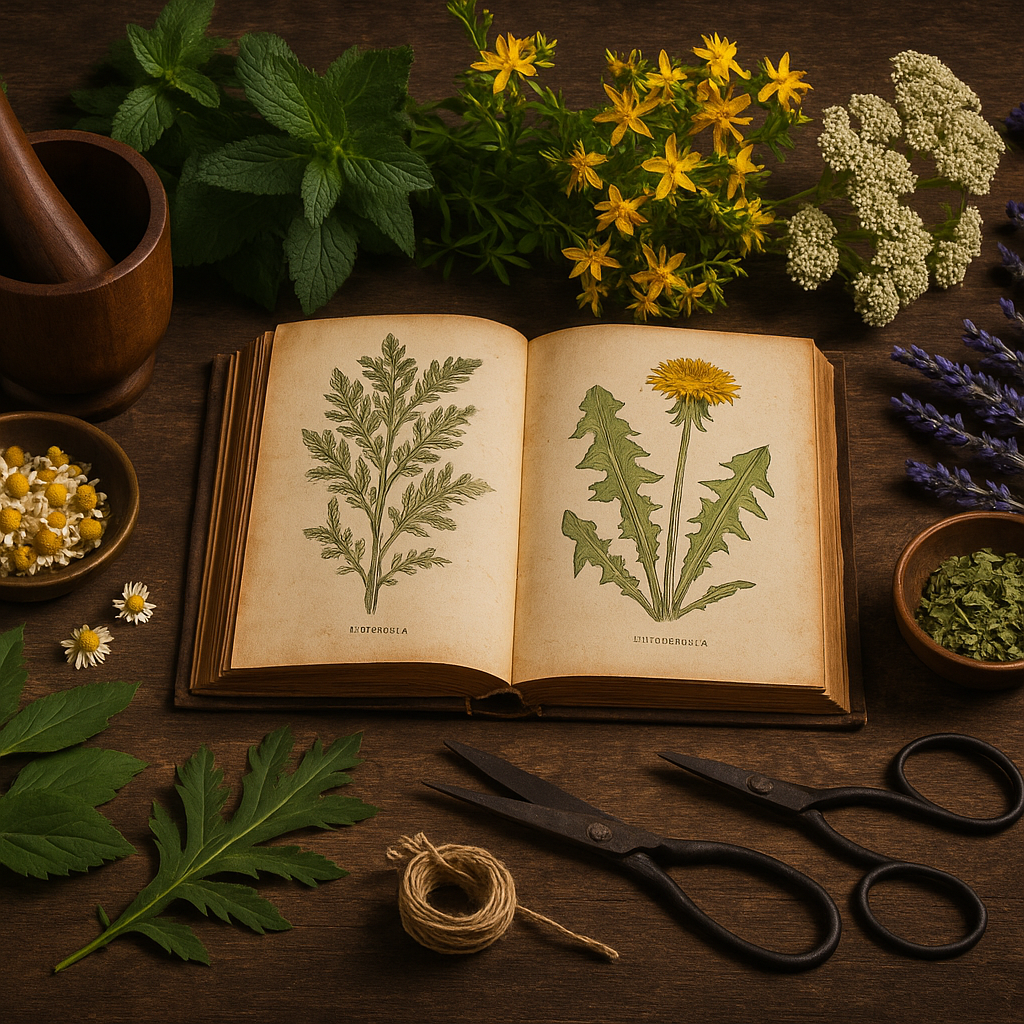
In magical practice, thread has long been used to bind or release energy. Knots can store wishes, colors can represent qualities, and spinning itself can induce trance — the rhythmic, circular motion mirroring the eternal cycles of nature. The act of weaving or stitching connects us to this timeless current, grounding our intentions in sacred rhythm.
Setting the Space for the Ritual
Prepare a quiet space where you will not be disturbed. This ritual can be done at a table, by the hearth, or anywhere that feels connected to your creative spirit. You will need:
- A length of thread, yarn, or ribbon, about a yard long (choose a color that resonates with your intention — green for growth, red for passion, gold for success, white for clarity, blue for peace).
- A spindle, small stick, or symbolic needle (any object that helps you focus energy).
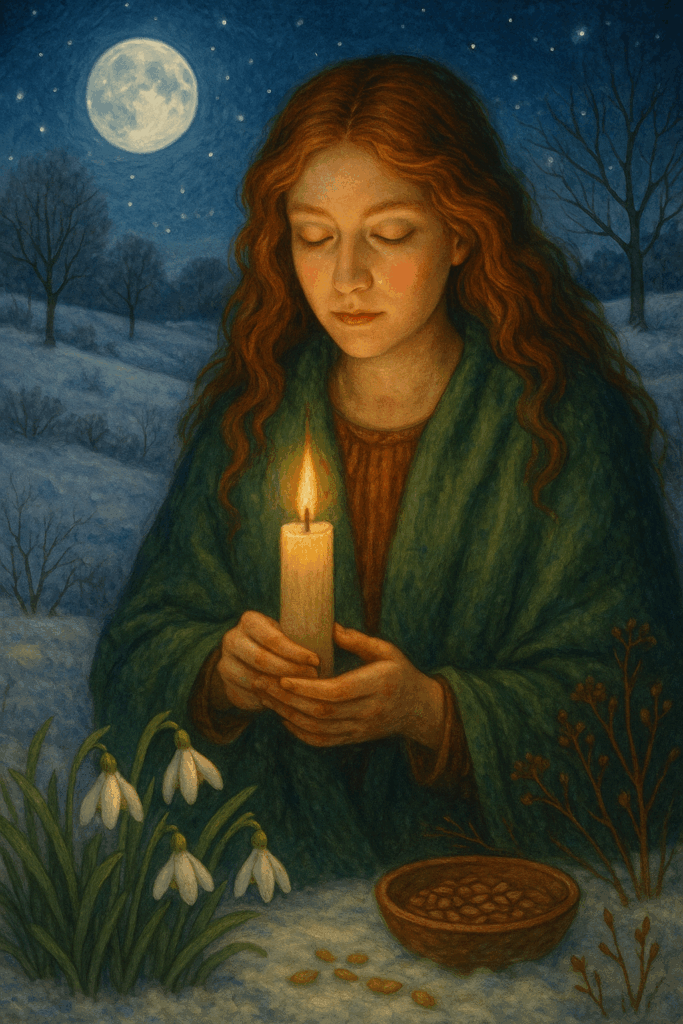
- A candle to represent the spark of creation.
- Optional: a small charm or bead to tie into the end of your thread, representing your goal made manifest.
Light the candle and take a few deep breaths. Let your gaze rest on the flame — the eternal fire of transformation. Say softly:
“By flame and fiber, by will and word,
I weave my path as I am heard.
Thread of spirit, thread of fate,
From dream to form, I now create.”
The Act of Weaving Intention
Hold the thread between your fingers. Feel its texture — smooth, rough, twisted, soft. This is your life force, your timeline, your connection to what lies ahead. As you begin to wind it around the spindle or twist it slowly between your hands, visualize the energy of your intentions flowing into it.
Think of what you wish to cultivate in the coming months: peace, love, creativity, stability, courage. Speak each intention aloud as you wind:
“With this turn, I weave strength.”
“With this twist, I weave prosperity.”
“With this thread, I weave healing.”
Let the rhythm carry you. The repetition becomes meditation, your breath aligning with the movement. If you close your eyes, you may feel yourself sinking into the timeless rhythm of all who have ever spun or woven before — the ancestral craftswomen, the Fates, the goddesses of creation. You are part of their lineage now, your will shaping the pattern of destiny.
When you feel the energy building, pause and hold the thread close to your heart. Whisper:
“As this thread is one and unbroken,
So may my path be steady and sure.
As I have spun, so shall it be.”
If you have a charm or bead, tie it to one end of the thread as a physical token of your spell. This marks the moment your vision begins to take tangible form.
The Knot of Sealing
Now tie three knots in your thread to seal the magic. With each knot, speak a declaration:
First knot: “I bind this spell in love.”
Second knot: “I bind this spell in will.”
Third knot: “I bind this spell in truth.”
Each knot fixes the energy you have raised. Feel the thread pulsing faintly in your hands, alive with purpose.
When finished, you can place the thread upon your altar, wear it as a charm, or hang it in your home as a reminder of your intention. Some witches choose to weave their thread into a larger project — a dreamcatcher, a wall hanging, or a piece of clothing — letting the energy flow into daily life.
Weaving as Meditation
The Ritual of the Spindle and Thread need not end with one act. It can become a meditative practice — a way to align with the cycles of creation. Each time you weave, knit, crochet, or sew, you participate in an ancient dialogue between hand and spirit.
When frustration arises, breathe and remember: even knots have meaning. In weaving, there are no true mistakes — only new patterns forming. The same is true of life.
To meditate on this, sit quietly with a piece of thread and visualize your current life path as a tapestry. See how every joy and sorrow, every success and loss, forms part of a greater design. Whisper:
“Each thread has purpose.
Each color holds wisdom.
I trust the pattern unseen.”
The Ancestral Weavers
This day also honors the ancestors who worked the loom and spindle before us — the women and men whose skill kept warmth in winter, whose patience wove communities together. To them, weaving was prayer in motion, devotion expressed through rhythm.
You may choose to offer thanks by burning a small braid of dried herbs such as lavender, sage, or sweetgrass while saying:
“To those who wove before me, I give thanks.
May my work honor your hands.”
Their spirits linger in every thread we touch. When you weave, they watch — not in judgment, but in kinship.
The Thread as a Living Spell
As you move through the coming weeks, the thread you have blessed will continue to work subtly. You might carry it in a pouch or tie it discreetly around your wrist. Each time you touch it, remember your vow — the pattern you are consciously weaving through your choices and actions.
If at any point you feel the spell is complete — that the intention has manifested — you may choose to unbind it. Carefully untie the knots, giving thanks for what has come to pass, and then burn or bury the thread to return its energy to the Earth. The cycle of creation and release continues, as all things must.
Integration — The Loom of Life
In the Wheel of the Year, this ritual falls just before Imbolc, when the goddess Brigid, patroness of smiths and spinners, begins to awaken. The act of spinning thread now aligns your energy with hers — preparing the soul for renewal and inspiration.
The spindle is the tool of patience; the thread, the symbol of hope. Together they remind us that the future is not fixed — it is woven daily by our thoughts, deeds, and love.
When you next see a spider spinning her web, a weaver at her loom, or even frost tracing lace upon a windowpane, remember: creation never ceases. The world itself is a tapestry forever forming, and we are part of its weave.
So tonight, as your candle flickers low, hold your thread once more and whisper:
“I am the weaver and the thread.
I am the pattern and the dream.
What I create becomes my path.
So it is, and so it shall be.”
Let those words settle deep within you, anchoring your intentions in the quiet magic of winter. For though the world still sleeps, the loom of destiny is already stirring — and with each breath, each choice, each loving act, you are weaving the year ahead.