🕯️ February 27 – Smoke Over the Fields: Old Fire Festivals and Smoke Purification Rituals

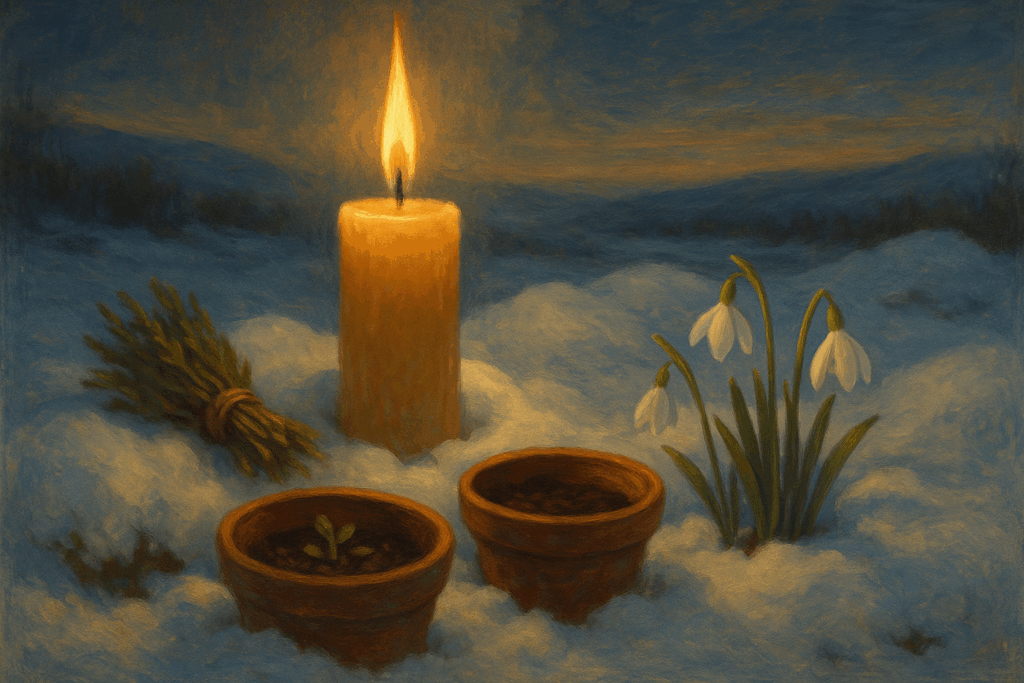
By February 27th, winter’s final breath begins to loosen its hold. The air softens, carrying both the damp scent of thawing soil and the crisp tang of smoke. In the old Celtic calendar, this was a time when communities once kindled cleansing fires across the land, a ritual gesture of transition — to drive away the lingering shadows of winter and call forth fertility, health, and prosperity for the growing year ahead. This day, Smoke Over the Fields, honors those ancient traditions of smoke purification and the alchemy of fire transformed into breath.
Long before modern customs, the Celts practiced what might be called fire communion. They saw fire not as destruction but as sanctification — a sacred bridge between human and divine. At seasonal thresholds, especially Imbolc and Beltane, smoke was used to cleanse homes, people, and animals alike. Herds were driven through twin fires to ensure health; fields were fumigated with herbal smoke to banish disease and invite fertile growth. To stand in that smoke was to be touched by the gods — to receive both blessing and renewal through the elemental marriage of air and flame.
Brigid, the goddess of fire, poetry, and healing, was at the heart of these rites. Her flame was both the hearth’s comfort and the forge’s power. But it was also the unseen flame that turned wood into smoke — a transformation of substance into spirit. Smoke, in the Celtic imagination, was the soul of fire released, a messenger rising toward the heavens. Thus, to let smoke drift over one’s home or field was to let Brigid’s spirit move through it, cleansing and blessing all within her reach.
To honor this day, begin by creating your own gentle smoke ritual. It need not involve great bonfires or elaborate ceremony — only intention. Choose a safe, simple source of sacred smoke: incense, a bundle of herbs, or even a small fireproof bowl with dried rosemary, juniper, or cedar. These herbs, used since ancient times across the Celtic world, were believed to purify and protect, carrying prayers upward on their fragrant breath.
Before lighting your herbs or incense, take a moment to center yourself. Whisper: “Brigid of the holy flame, bless this smoke, that it may cleanse, heal, and renew.” Then light your bundle or incense, letting it catch and smolder. Watch as the first tendrils of smoke curl upward, soft and silver, their movement slow and graceful. This is Brigid’s breath, the living spirit of transformation made visible.
Carry the smoke gently through your space — your home, your room, your garden — moving slowly and with awareness. Let the scent and movement guide you. As the smoke flows through doorways and corners, imagine it sweeping away the remnants of old energy — fear, fatigue, stagnation — and carrying them upward into release. Whisper as you go: “What is old is lifted. What is heavy is lightened. What is shadowed is cleared by Brigid’s breath.”
If you live where fields or gardens stretch around you, you may take your smoke outdoors. Walk along the edge of the soil or the boundaries of your land. Let the smoke drift upon the ground, offering renewal to the earth itself. The ancestors believed that such acts nourished not only the physical land but its spirit — the genius loci, the living presence that dwells within every place. Offer a few words of thanks: “To the spirit of this land, to the roots beneath and the sky above, I give this smoke as blessing. May life return in peace.”
In modern spiritual practice, smoke cleansing often serves as a metaphor for emotional and energetic purification. It is a way of releasing what clings unseen — tension, sorrow, or memory — and allowing clarity to return. The act of wafting smoke is itself meditative, reminding us that movement and breath are the pathways of release. As you perform your ritual, breathe deeply with the smoke. Inhale gently, exhale slowly, and feel the rhythm of purification echoing in your body.
You might also dedicate this ritual to preparing yourself for new beginnings. Just as the land is made ready for sowing through the smoke’s passage, so too can your spirit be prepared for the seeds of intention planted earlier in the Imbolc cycle. As the scent of herbs fills the air, repeat a quiet affirmation: “I release what no longer serves, and I welcome what is yet to bloom.” The smoke becomes the visible bridge between letting go and welcoming in — between the ashes of the past and the soil of the future.
Historically, Smoke Over the Fields marked the sacred act of cooperation between human and nature. It was not about control, but partnership. People lit fires not to command the earth but to speak to it — to acknowledge its living soul. In that smoke rising skyward, prayers for health, abundance, and balance took form. Even now, to light a simple flame or incense stick in reverence to Brigid is to join in that same conversation, to stand in a lineage of gratitude and care that stretches back millennia.
For a deeper experience, you may incorporate sound and movement into your smoke ritual. As the smoke swirls, hum softly or ring a small bell, letting the sound travel with the vapor. Movement — circular, fluid, and unhurried — amplifies the intention of cleansing and harmony. The union of sound, scent, and motion creates a full sensory invocation of renewal, awakening all aspects of awareness to the moment.
As the ritual comes to a close, return to your central flame — your candle of Imbolc’s light. Hold your hands briefly over the smoke, palms open, as if to gather the last traces of its essence. Bring your hands to your heart and whisper: “The flame becomes smoke, the smoke becomes blessing, the blessing becomes life.” In this simple phrase lies the entire mystery of transformation — the endless cycle of change that sustains the world.
Let the smoke fade naturally, or gently extinguish your herbs with respect. If any ash remains, scatter it outdoors or mix it into your soil — a gift of gratitude to the land. In ancient times, such ash was believed to carry fertility, having been touched by sacred fire. In a spiritual sense, it carries memory — the record of your prayer made tangible.
The teaching of Smoke Over the Fields is that renewal is not achieved through force, but through offering. Smoke purifies by release, by rising, by surrender. It carries away what is heavy and returns it to light. Brigid’s smoke is never harsh; it does not scorch or consume. It soothes, it blesses, it clarifies. The fields, the home, the body — all are made new through this gentle alchemy of air and flame.
As night descends, look out upon the land, even if only in imagination. See it blanketed in soft mist, as though the whole earth exhales together. Whisper your final blessing: “May Brigid’s smoke cleanse the fields of my heart. May what is burnt return as life. May peace rise like morning over all creation.”
The smoke drifts, the fire cools, and silence returns — yet something has changed. The air feels lighter, the world more spacious. The unseen residue of the past has been released, making room for growth to come. The spirit of the land breathes again, and through it, so do you.