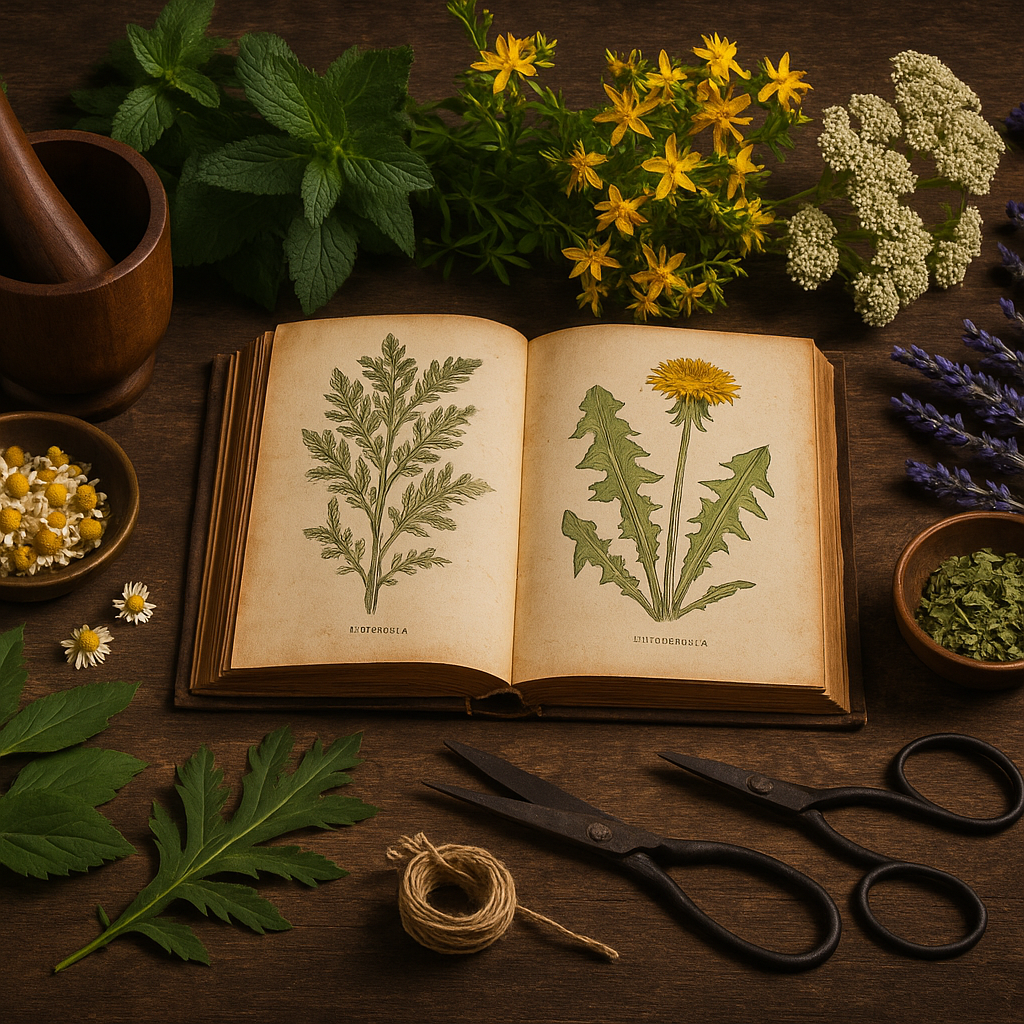
🌿 Jan 22 – Witch’s Winter Kitchen: Brewing Magical Teas, Soups, and Warming Spells


When frost veils the windows and the world lies hushed under the hush of snow, there is no temple more holy than the kitchen. Here, in the heart of the home, transformation takes place daily. Fire meets water, herbs meet hand, and simple ingredients are turned into sustenance and spellcraft. The Witch’s Winter Kitchen is not merely a place of nourishment — it is a living altar, a space where the mundane becomes magical, where each stir of the pot becomes a prayer and each fragrant steam a blessing.
In the old ways, the kitchen was the witch’s true sanctuary. Long before elaborate altars and ceremonial tools, it was here that hearth magic flourished — where charms were whispered into stews, protections stirred into broths, and healing blended into tea. The hearth fire was seen as the presence of the divine itself, the living flame of Hestia, Brigid, or the household spirits who guarded warmth and life. To cook was to invoke; to eat was to receive.
Winter’s kitchen, especially, holds its own deep enchantment. It is the domain of warmth amid cold, of creativity in scarcity. The witch working in this season practices slow magic — the kind that simmers, that heals not through haste but through presence. It is here that we learn the wisdom of the elements: fire to cook, water to boil, air to carry aroma, and earth to provide herbs, roots, and grains. Each meal becomes a ritual of gratitude to these elemental allies.
Creating the Sacred Kitchen Space
To begin your work today, treat your kitchen as you would a sacred circle. Clean the counters and light a candle upon the stove or table — the symbol of hearth fire. Whisper a small invocation as you light it:
“Flame of the hearth, guardian of home,
Bless this space where I create and heal.
May all I touch be done with love,
And all who eat be warmed in spirit.”
If you keep a kitchen altar, you may wish to refresh it now — placing there a few herbs (rosemary for protection, bay for wisdom, cinnamon for joy), a bowl of salt for grounding, and perhaps a small token of Brigid or Hestia. These small acts of reverence invite magic into the space and remind you that cooking itself is a ritual of life.
The Magic of Ingredients
Every ingredient carries not only nutritional but spiritual energy. To the witch, the spice rack is a cabinet of spells, each herb an ally with its own temperament and virtue. Understanding their correspondences allows you to craft food that nourishes body and soul alike.
- Cinnamon: warmth, prosperity, passion, and vitality. Adds courage to your spirit.
- Rosemary: protection, clarity, remembrance — burns away stagnation.
- Ginger: energy, confidence, movement — ignites creativity.
- Thyme: courage, purification, gentle healing of the lungs and heart.
- Bay leaf: manifestation, wisdom, divine favor — write wishes on it and burn when ready.
- Garlic and onion: protection and grounding; the ancient guardians of hearth and home.
- Honey: sweetness of life, peace, and love — sacred to the bees and the goddess herself.
When you cook, hold intention as the most potent ingredient. Whether stirring soup, steeping tea, or kneading dough, let your thoughts and emotions flow into your work. The energy you carry becomes part of the food. This is the heart of kitchen witchcraft: conscious creation.
Brewing Magical Teas
Tea is perhaps the simplest and purest of winter spells. It combines water, heat, and plant spirit into a living potion. Each cup can be designed to serve a magical or emotional purpose.
For comfort and peace, brew chamomile with a touch of honey and vanilla.
For clarity and insight, combine rosemary, lemon balm, and a slice of fresh lemon.
For protection and strength, steep ginger, cinnamon, and black pepper with a dash of honey.
For dreams and intuition, mix mugwort and lavender beneath the waxing moon.
As your water boils, take a moment to breathe deeply. Listen to the bubbling — the voice of transformation. When you pour the water over your herbs, whisper:
“From earth you grow, by fire you change,
Through water’s dance, your magic I claim.”
Let the tea steep as you meditate on your intention. When you sip, do so slowly, allowing its warmth to fill you. Feel the magic moving through your body, awakening inner light even as snow drifts outside.
Winter Soups and Hearth Spells
The act of making soup in winter is an ancient rite of community and survival. It is food that heals, comforts, and gathers souls together. The witch who stirs a pot of soup is not only feeding the body but weaving energy — unity, health, and protection — into every spoonful.
Choose ingredients intuitively. Root vegetables such as carrots, potatoes, and parsnips connect you to the earth’s strength. Beans and grains symbolize abundance. Greens bring renewal. Add herbs with care — rosemary for remembrance, thyme for fortitude, bay for wisdom. As you stir, move the spoon clockwise, saying:
“With each turn, warmth grows.
With each breath, healing flows.”
Visualize golden energy swirling through the broth, infusing it with well-being. When you serve it, bless each bowl with gratitude:
“May this food bring comfort and joy.
May it heal what the cold has taken.”
This is hearth magic in its truest form — kindness made tangible, care given through craft.
The Winter Hearth Charm
You may also wish to create a Hearth Blessing Jar — a simple spell to keep the warmth of your kitchen sacred throughout the season. Into a small jar, place a pinch of salt, rosemary, cinnamon stick, dried orange peel, and a small piece of iron or nail (for the forge). Seal the jar with red wax or ribbon, saying:
“By flame and scent, by salt and spark,
Keep this hearth safe through winter’s dark.”
Place the charm near your stove or oven as a quiet guardian of domestic harmony.
The Spirit of Nourishment
At the heart of all kitchen witchcraft lies one essential truth: food is love made visible. When we cook with reverence, we heal ourselves and others. When we eat with gratitude, we honor the cycle of life that sustains us. The Witch’s Winter Kitchen is not about lavish feasts but sacred presence — the awareness that even a cup of broth can be a blessing when made with intention.
Take a moment each day to give thanks — to the fire that warms your home, the plants and animals that nourish you, the water that carries life. This gratitude transforms the act of eating into communion.
In the Wheel of the Year, this day reminds us that magic need not always be celestial or solemn. Sometimes it is humble, fragrant, and simmering on the stove. The witch’s greatest spell may be the simple act of feeding love into the world, one meal at a time.
As the evening falls and the scent of herbs lingers in the air, light your kitchen candle once more and whisper:
“Hearth of warmth, flame of grace,
Bless this food, this heart, this place.”
Then eat — slowly, consciously, joyfully — and feel the magic of winter nourishment settling deep into your bones. For in this season of frost, it is not the cold that defines us, but the light and love we tend within.