🌿 Jan 2 – Ashes of the Old Fire: Reflecting on What to Release as the Year Begins Anew

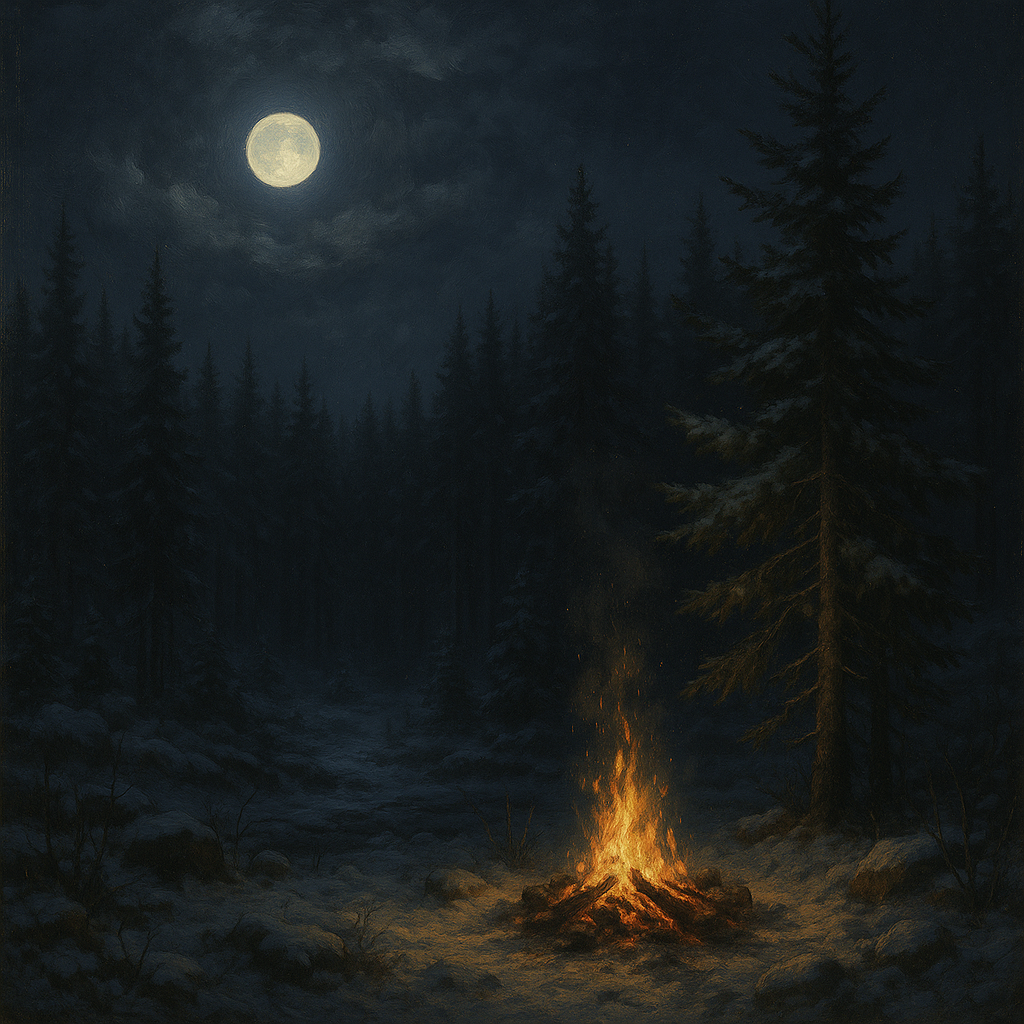
There is a sacred stillness in the morning that follows the First Flame. The exuberance of new beginnings softens into quiet reflection, and what remains are the ashes—the silent residue of what once burned brightly. For the pagan soul, these ashes are not refuse to be discarded, but sacred remnants of transformation. They are symbols of experience, of endings that made space for beginnings. The second day of the year calls us to face these ashes with reverence and understanding, for in them lie both the lessons of the past and the soil of future growth.
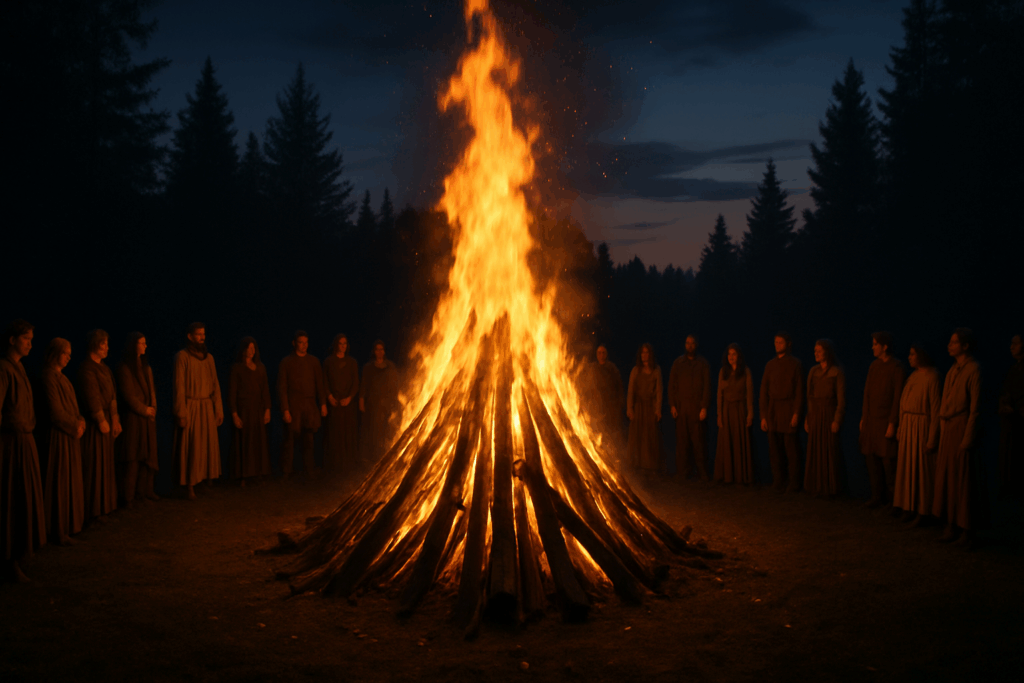
Fire, in its eternal duality, gives and takes. It creates light but also consumes; it reveals but it destroys. When we lit the First Flame, we kindled our hopes and dreams for the cycle ahead. Now, as the smoke has cleared and embers cool, we turn inward to honor what has been reduced to ash. The old year, with all its triumphs and trials, joys and sorrows, has been offered to the sacred fire of time. It cannot be reclaimed—but it can be understood.
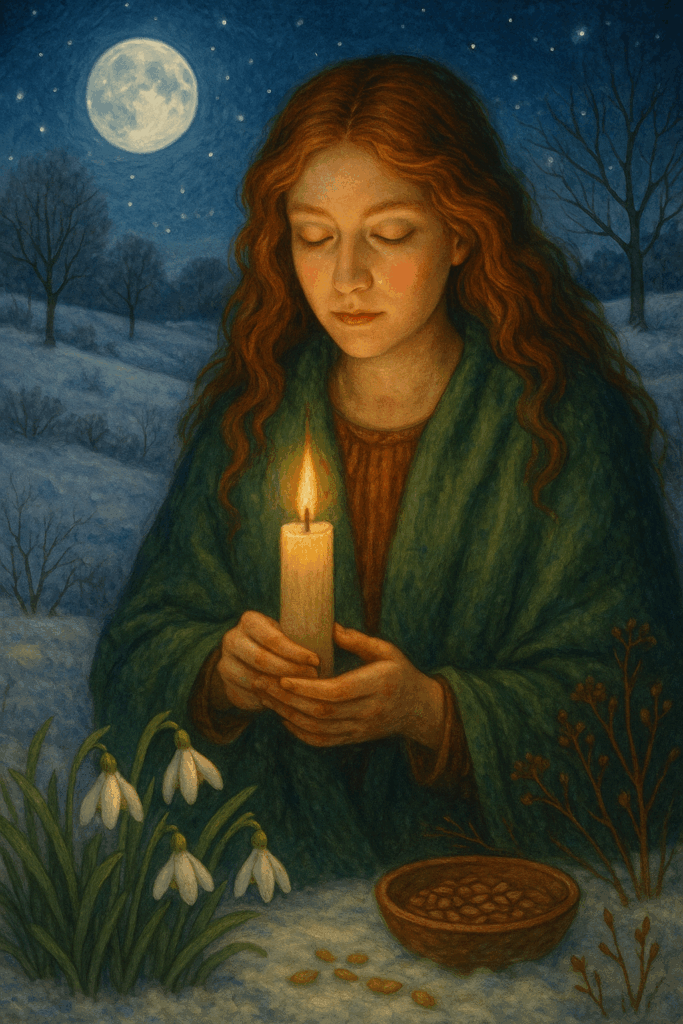
The ritual of the ashes begins not with flame, but with remembrance. Take a quiet moment to sit before your hearth, your altar, or even a single candle. Breathe deeply and call to mind the moments, patterns, and emotions you wish to release. Perhaps it is an old fear that has followed you through seasons. Perhaps it is grief, resentment, or weariness that clings to the heart. Do not rush this process. Each thought that arises is part of the sacred unburdening. You are acknowledging what once held meaning, even if it no longer serves you.
In many ancient traditions, ashes are symbols of purification and wisdom. They are the remains of what has been offered to the gods or the ancestors—evidence that transformation has taken place. In some cultures, ashes were spread upon the soil to nourish it; in others, they were used to mark the forehead as a sign of humility and rebirth. The ashes remind us that destruction is not the end but a stage in the cycle of renewal. When we scatter them—whether literally or symbolically—we affirm that what has been released can become nourishment for the soul’s future growth.
A simple ritual for this day involves collecting a small amount of ash from your First Flame—if you have it—or from incense burned in reflection. Hold the ashes in your hands or in a small bowl. Close your eyes and visualize all that you wish to let go of from the past year. See each lingering sorrow, each outdated belief, each burden of guilt or doubt. Imagine them dissolving into smoke, leaving only the wisdom behind. Speak aloud or whisper softly: “From the ashes, I rise renewed. What no longer serves me returns to the Earth, and what is true remains.”
Then, when the time feels right, release the ashes. You may scatter them to the wind, bury them in the soil, or wash them away in running water. Each act symbolizes surrender. Each movement is an offering of trust—to the cycles of nature, to the gods and spirits, to your own soul’s unfolding. The point is not to banish your past, but to bless it. You are honoring all that has brought you here, acknowledging the fires that have shaped you.
It is tempting to rush past this stage, to leap from the excitement of the new year straight into intention-setting and plans. But true renewal requires clearing the ground first. Just as gardeners turn the soil before planting, so must we turn the soil of our spirit, mixing in the ashes of old growth to enrich what will come next. Reflection is an act of power, not passivity. To look with open eyes upon one’s own shadow and release it is to reclaim energy once bound by fear.
The goddess Brigid, whose festival of Imbolc soon approaches, is often associated with this sacred balance of flame and ash. She is the keeper of the hearth fire, but also the tender of the forge, where metal is purified through heat and hammer. In her presence, ashes are never mere remains; they are the proof of transformation. When we call upon her today, we ask for her blessing upon the old fires of our lives—that we may take their lessons forward and leave their pain behind.
In meditative reflection, imagine walking through the landscape of your memories from the past year. See the fires that once burned brightly—relationships, projects, dreams—and notice which ones have dimmed. Do not mourn them, but thank them. Every fire has its season, and not all are meant to burn forever. Let the ashes fall gently through your fingers, knowing that even as you release them, their essence remains within you as wisdom.
Some practitioners like to create a charm or sigil on this day, drawing it in the ashes or upon paper that can later be buried or burned. This symbol represents the new self rising from the remnants of the old. It might be as simple as a spiral, symbolizing the eternal cycle of renewal, or a rune of cleansing such as Kenaz—the flame of illumination—or Laguz, representing the flow of emotional release. Let your intuition guide you, for this ritual is deeply personal.
It is also powerful to work with breath during this practice. The breath mirrors the rhythm of the year: inhale, exhale; birth, death; creation, release. As you inhale, imagine drawing in light and peace. As you exhale, imagine releasing the smoke of what no longer serves you. Continue until you feel the body soften, the spirit lighten, and the heart expand. You are cleansing not through fire now, but through air and spirit.
As the day wanes, spend some time journaling or speaking aloud your reflections. What lessons did the past year offer? What patterns do you wish to transform? What qualities do you wish to carry forward? In writing them, you give form to your inner alchemy—you shape your soul’s dialogue with the coming year. You may even wish to keep the ashes from this ritual in a small vial upon your altar until Imbolc, as a reminder that from endings come beginnings.
When we learn to honor the ashes, we become alchemists of spirit. We stop fearing change, because we recognize it as the fire’s sacred work. We understand that loss and transformation are intertwined, that destruction often precedes creation. To live as a pagan is to dance with these truths—to accept that every cycle of life contains both burning and renewal, both light and shadow.
So, on this second day of the year, let there be no regret for what is gone. Let there be only gratitude, reverence, and release. The ashes of the old fire are not symbols of what has died, but of what has completed its purpose. Scatter them with love. Bless them with memory. And then, turn your face toward the horizon, where the next flame already waits to rise.