🌸 Mar 8 – The Spring AltarCreating a sacred space for growth and sunlight

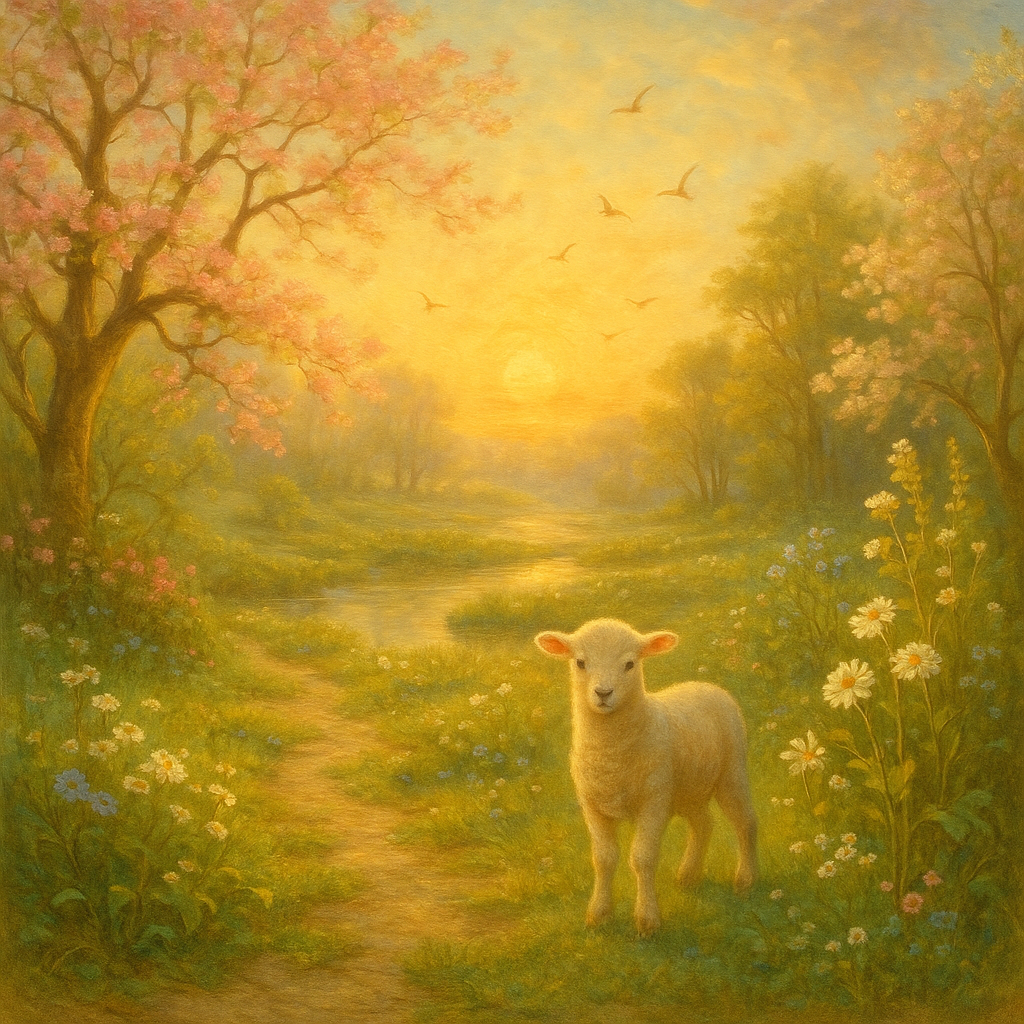
By the eighth of March, the breath of spring grows more tangible. The days stretch a little longer, the light a little warmer. In that gentle brightness comes the invitation to renew not only the outer world but the sacred spaces within our homes and hearts. Today we turn to the Spring Altar — a living symbol of awakening, growth, and the reemergence of light. It is here that we anchor our intentions for the season, a small mirror of the greater altar that is the Earth herself.
Every witch, druid, or earth-honoring soul knows that an altar is more than decoration. It is a portal — a point of communion between the seen and unseen, a place where energy gathers and intention takes form. Just as a hearth once centered the ancient home, the altar centers the spiritual life. In winter, it may have glowed with candles and symbols of stillness, reflection, and endurance. But now, as the land stirs and color returns, the altar too must awaken. The act of refreshing it is an act of magic — a ritual of renewal and gratitude.
Begin this transformation by cleansing the space. Remove every item from your altar, and wipe the surface with a cloth dampened with water and a touch of salt or vinegar. As you clean, imagine clearing away the old energies of winter — the dust of dreams now ready to bloom. This is a moment of release as much as preparation. Speak softly as you work:
“I clear this space of what has been,
To welcome life and light again.”
Once the altar is clean, take a moment to pause before rebuilding. Stand or sit quietly, breathing in the air of early spring. Feel the sun’s warmth, the stirring pulse beneath your feet. Ask yourself: what does this new season mean to me? What energies do I wish to invite into my sacred space — growth, creativity, peace, love, inspiration, renewal? Your altar should be a reflection of these intentions.
The Spring Altar honors the elements in their tender, rising forms. Earth is the moist soil, fertile and rich. Air is the soft wind that carries seeds. Fire is the returning sunlight. Water is the gentle rain that nourishes. You may choose to represent each in your arrangement: a small dish of soil or a stone for Earth; incense or a feather for Air; a candle for Fire; and a bowl of water or fresh flowers for Water. These are not mere symbols but living presences, each one calling forth its own vibration of balance and growth.
Now turn to color and texture. Spring is a time of green and gold, white and soft pink, the first tender hues of rebirth. Cloth your altar in these tones — a pale scarf, a strip of linen, a piece of moss-colored fabric. Add items that speak to your spirit: budding branches, small nests, eggshells, crystals like green aventurine or rose quartz, perhaps even a sprouting bulb or tiny potted plant. Each piece should feel alive, chosen with mindfulness and joy.
As you place each item, do so with intention. Whisper its purpose: “This stone grounds me.” “This flower opens my heart.” “This candle kindles my inner fire.” By speaking, you awaken the energy of each object, weaving them together into harmony. When your altar feels complete, stand before it and light your candle. Let the flame reflect in your eyes like the returning sun.
Say aloud:
“Light of the world, light of my heart,
As above, so within.
As the Earth awakens, I awaken.
May this space be sacred once again.”
Feel the warmth radiate through you — a gentle ignition of life renewed. This moment marks the shift from dormancy to creation. You are not only tending an altar; you are tending your own soul.
If you work with deities or nature spirits, invite them anew to dwell here. Offer a small token — a drop of honey, a flower, a breath of incense. Many pagans honor Brigid at this time, her flame still glowing from Imbolc, carrying into the light of spring. Others may call upon Eostre, goddess of dawn and fertility, whose presence will soon be felt more fully at the equinox. Whoever your guiding spirits may be, greet them as honored guests returning after a long winter.
Beyond its physical beauty, the altar is a place of daily practice. Each morning, take a moment to light your candle or touch the Earth upon it. Whisper a small prayer or affirmation for growth: “I root and rise.” “My spirit blossoms with the season.” These simple words keep you attuned to the turning of the wheel. As you water the plants upon your altar, imagine watering your own intentions; as you dust or rearrange it, know that you are moving energy in your life.
You might also use your altar as a place of divination or meditation. Sit before it with a cup of herbal tea, a deck of cards, or simply your journal. Ask what is budding in your life now. What wants to grow? What requires your care? The altar is a mirror of your inner landscape; its changes often reveal shifts within you before they appear in the outer world.
If you share your home with others who walk the same path, make the altar a communal creation. Invite each person to add a token — a stone, a feather, a sprig of greenery — something that carries their energy and hope for the season. Together, you weave a living tapestry of intentions. Each time someone tends the altar, they renew not only their own connection but the shared harmony of the household.
The Spring Altar also reminds us of the sacredness of light. As the days grow longer, allow sunlight to touch your altar daily if possible. Morning light, in particular, carries a clarity that clears lingering shadows. You might sit quietly in that light, feeling it warm your skin, watching it play upon your chosen symbols. In this stillness, you commune directly with the season’s spirit — the bright soul of renewal itself.
For those who live where the land is not yet fully green, remember that your altar is a promise. It holds the energy of what is coming. Even a single sprig of evergreen or a painted egg can carry immense power as a symbol of life’s persistence. The magic of the altar is not in grandeur but in intention. A windowsill, a shelf, even a corner of a desk can become a holy space when approached with reverence.
As the sun sets, visit your altar once more. Light your candle again, if only for a moment, and speak your gratitude for the day. Thank the elements, the deities, the living Earth. You may say:
“Sacred light, sacred Earth,
Guard this space and grant it worth.
By leaf and bud, by root and stone,
Bless this altar, my heart, my home.”
Then, allow the flame to rest. The altar will continue its quiet work — a vessel for your growth and a reminder of the divine that dwells in all things.
The Spring Altar teaches that every object can become holy when infused with intention, and every space can be sacred when tended with love. It is the bridge between the spiritual and the everyday, between our prayers and the pulse of the living world. By creating and maintaining it, we participate consciously in the great awakening that surrounds us.
When you next pass by your altar, pause — breathe, smile, and remember: you are part of the same sunlight that blesses the flowers, the same energy that turns the Earth toward spring. Your altar, like your heart, is an ever-blooming garden of renewal.