🌸 Mar 4 – Buds of PromiseHow to plant both literal and spiritual intentions for the new season

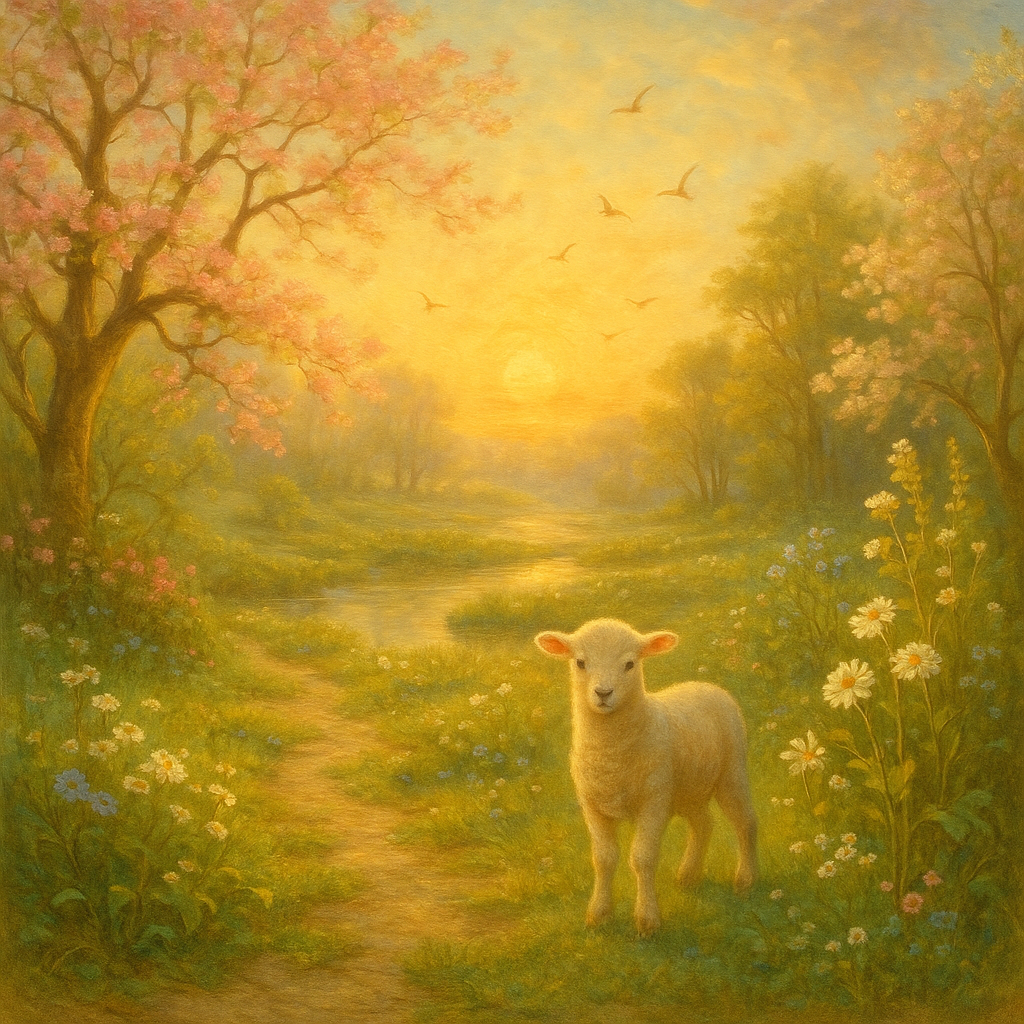
The soft light of early March carries a kind of hush — not silence, but expectancy. The Earth, still damp and tender from thaw, begins to swell with new life. Everywhere, small buds appear — tentative yet determined, each one a promise whispered by the land. These buds are more than mere beginnings; they are the visible prayers of the Earth, born from months of darkness and dormancy. To walk among them is to witness faith in its purest form: the unwavering trust that warmth will return, that growth is certain, that life endures.
For pagans, witches, and nature mystics, this day — the fourth of March — is an invitation to align our own hearts with this sacred unfolding. The Buds of Promise call us to plant intentions, not only in soil but in spirit. Just as the Earth prepares her seeds to awaken, so too must we prepare our dreams, hopes, and goals for the coming season. It is a day of sowing — of grounding the unseen into the world of becoming.
In every tradition that honors the land, planting is more than an agricultural act; it is a ritual of creation. To place a seed into the Earth is to perform magic in its purest, simplest form. You are joining with the forces of nature — Earth, Water, Air, and Fire — to bring forth life. Each seed, whether literal or symbolic, is a microcosm of the universe: potential wrapped in patience. In this sense, every gardener is a witch, every act of planting a spell, every bud an altar to hope.
To begin this sacred practice, take time first to reflect upon what it is you wish to grow — not only in your garden, but within your own life. Are you seeking abundance, healing, creativity, love, peace, or transformation? Just as different seeds require different care, so do intentions. Some need sunlight and open air — public action and confidence. Others must be nurtured in shadow and silence until they are strong enough to bloom. The wisdom of planting lies in knowing the nature of your seed.
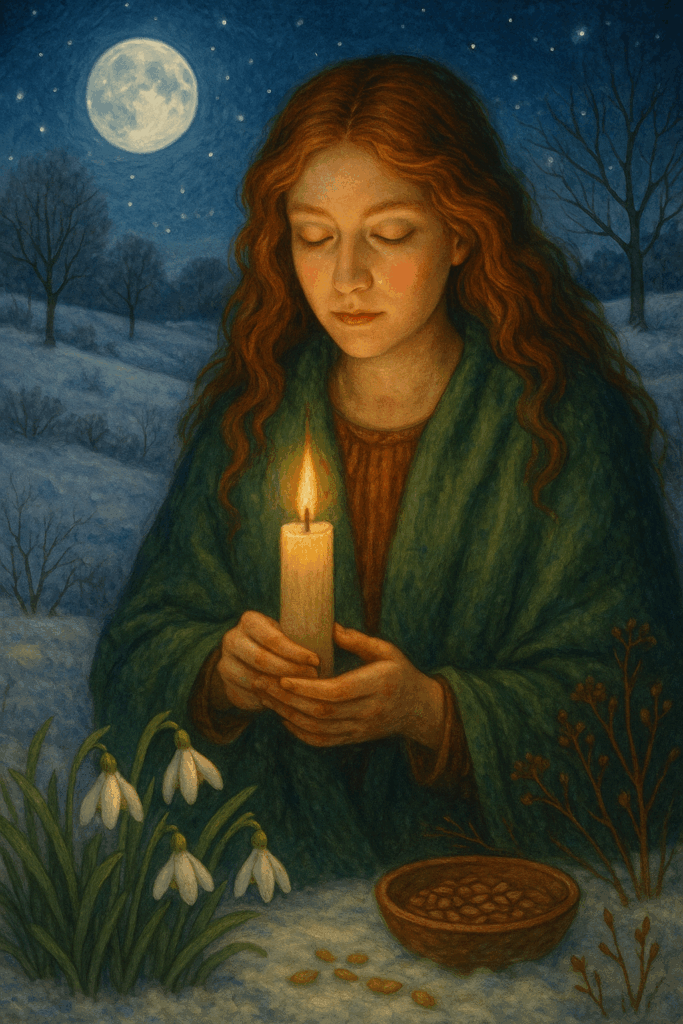
Find a quiet place, and if possible, hold a handful of seeds or small bulbs — they may be for herbs, flowers, or vegetables. If you have no garden, a single pot of soil will suffice. The magic does not depend on size but on presence. Take a deep breath and connect to the Earth beneath you. Feel her energy rising through your body like sap through a young tree. Then, hold your chosen seeds to your heart and whisper your intention into them. Speak plainly and sincerely, as you would to a friend. For instance: “I plant this seed for healing,” or “I plant this seed for clarity and strength.”
As you press each seed into the soil, imagine your intention taking root. See it descending deep into the dark Earth, finding nourishment and protection there. Cover it gently with soil — this is your sacred burial and your act of trust. You cannot force a seed to grow; you can only create the conditions in which it may thrive. In this, we learn one of nature’s greatest lessons: growth is an act of faith, not control.
Water the soil lightly and, if you wish, speak a blessing:
“Buds of promise, grow with grace.
Rooted deep in sacred place.
Sun above and Earth below,
Bless these seeds that I may grow.”
Set your pot or garden in the sunlight, and as the days pass, tend it with mindfulness. Each time you water your plants, reaffirm your intention. When the first sprouts appear, celebrate not just the plant’s life, but the blossoming of your inner purpose.
On a symbolic level, the Buds of Promise represent the moment just before manifestation — that liminal space between dreaming and doing. In the Wheel of the Year, this time falls between Imbolc’s inspiration and Ostara’s balance. It is when ideas become form, when invisible energies begin to surface. The buds themselves are teachers. They show us that beauty begins long before it is seen. Inside every closed bud is the full design of the bloom, waiting patiently for its time. So too are our intentions already complete within us; we must simply allow them to unfold.
This lesson applies equally to spiritual work. The budding phase is often subtle and slow. We may not yet see visible results from our meditations, rituals, or inner healing — but something is stirring beneath the surface. Just as we trust the Earth to bring forth life unseen, we must trust our own process. Faith in the unseen is the foundation of magic.
In many traditions, budding plants are associated with youthful deities and energies of renewal — Persephone rising from the underworld, Brigid tending her early fires, the young Green Man stirring in the forest. Their stories remind us that rebirth is cyclical and that each new beginning carries echoes of what came before. When you plant seeds or set intentions, you are participating in that eternal rhythm of descent and return, death and rebirth, promise and fulfillment.
To deepen this practice, spend time outside observing the first buds of the season. Look closely — the tips of branches, the crocus pushing through frost, the tender green that edges the grass. These are the Earth’s sigils of renewal. You might gather fallen twigs or leaves to place on your altar as symbols of transition — reminders that every stage of growth, from decay to bloom, holds sacred value.
If you keep a journal, write about your intentions as though they are already sprouting. Describe how they will feel when they bloom fully — what will your life look like when these buds open? Visualization is a form of energetic watering; it keeps your focus nourished and alive.
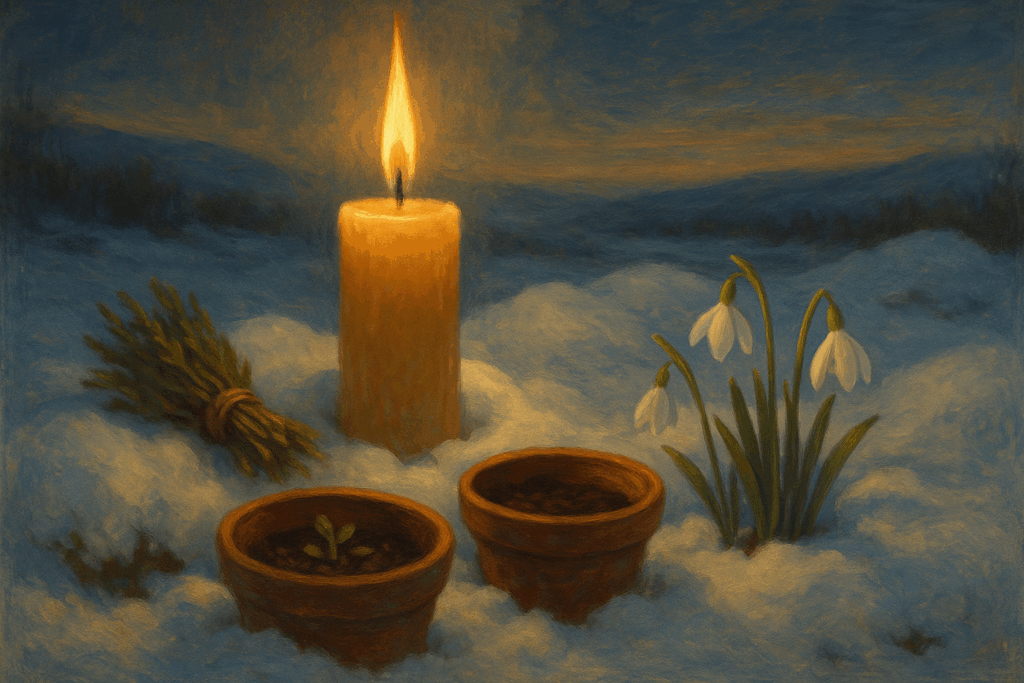
For those who practice ritual magic, this day is excellent for spellwork related to new beginnings, manifestation, or healing. A “Budding Spell” might involve lighting a green candle for growth and a brown one for grounding, placing a small bowl of soil between them. As you gaze into the flame, imagine your intention as a bud unfurling. Speak words of affirmation, not desire: “My growth is assured. My path unfolds in beauty.”
It is important to remember that not all buds open at once. Some take longer; some never bloom in the way we expect. Yet every effort to grow is sacred. Every seed teaches patience, humility, and trust. When we plant, we make a covenant with time — a willingness to let life unfold at its own pace.
As evening approaches, take a final moment to honor the day’s work. Step outside and breathe the scent of the damp earth, the cool wind that carries the first hints of spring. Feel the life all around you, pulsing and patient. The buds, the soil, the seeds — all are participants in the great promise of renewal. So are you.
In the stillness of twilight, whisper your gratitude:
“For the promise of growth, I give thanks.
For the patience of the seed, I find peace.
For the turning of the Earth, I awaken.”
The Buds of Promise remind us that every act of planting — whether a seed, a dream, or a prayer — is a sacred affirmation of life. To plant is to believe in tomorrow, to trust in unseen miracles, and to join the living Earth in her eternal cycle of creation.