
🌸 Mar 26 – The Nest and the SeedSymbols of nurture, safety, and gentle growth

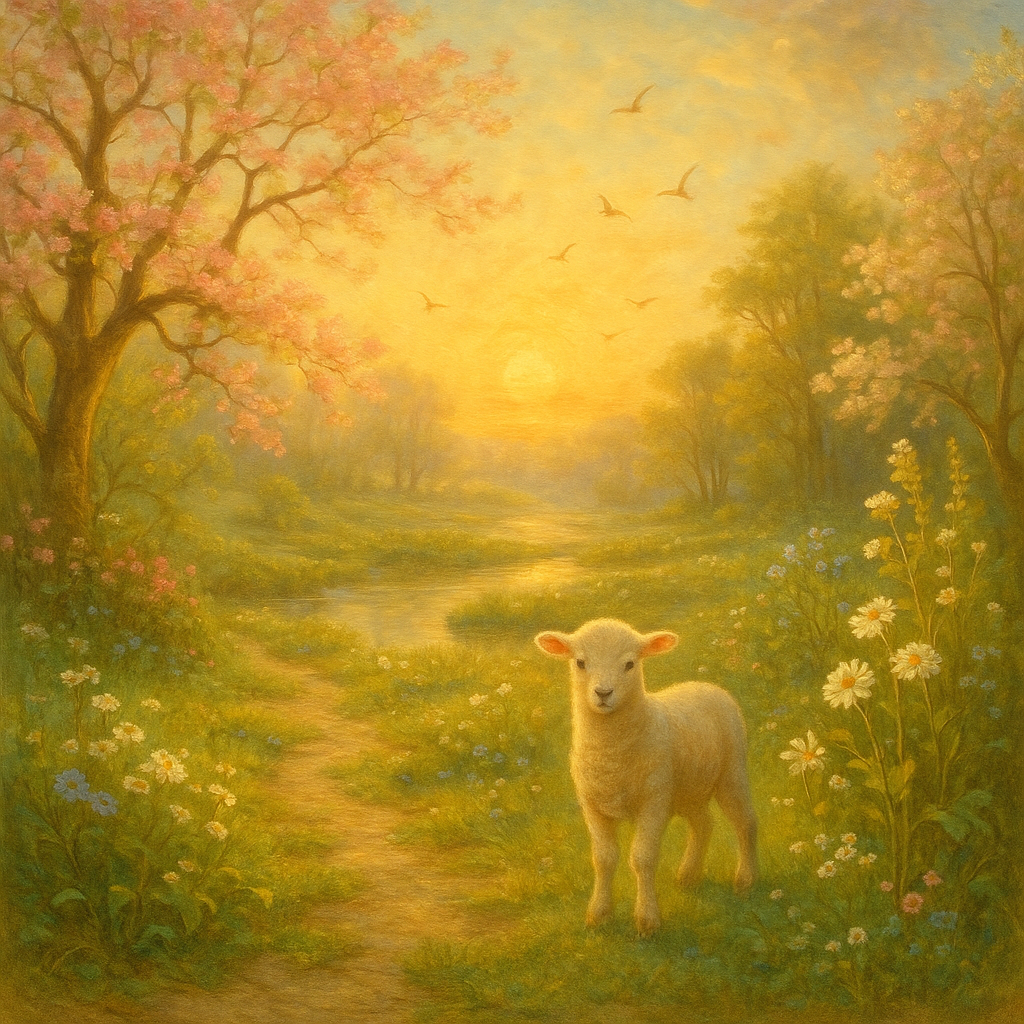
By the twenty-sixth of March, the world hums with quiet promise. The exuberant blossoming of early spring begins to settle into rhythm — birds gather twigs and threads to weave their homes, seeds split softly beneath the soil, and every living thing seems to be building or protecting something precious. It is a time of gentle industry, of patient tending. Today, we honor The Nest and the Seed — two ancient symbols of nurture and safety, of life’s tender beginnings and the sacred space in which growth unfolds.
Where the equinox celebrated balance and awakening, The Nest and the Seed remind us of what sustains that awakening — the devotion and care required to bring new life fully into being. Every blossom, every hatchling, every dream depends on both shelter and potential: the nest that cradles, the seed that holds life within. In these symbols, we see both the feminine and masculine principles of creation entwined — the womb and the spark, the space and the essence, the embrace and the becoming.
To the Pagan soul, both nest and seed are sacred containers of spirit. The nest represents sacred space — the safe, stable ground from which creation may unfold. It is home, altar, heart, and hearth. The seed represents potential — the unformed energy waiting in darkness for the right warmth and light to emerge. Together, they teach us how to nurture what we love: by giving it both protection and freedom, structure and breath.
This day invites reflection on how we care for our own growth, and how we hold space for the growth of others. In nature, the birds do not rush their work; each twig is placed with devotion, each feather smoothed with patience. The seeds do not strain toward light before their time; they rest in darkness, gathering strength until the season calls them forth. The lesson is one of gentle persistence — the sacred rhythm of creation unfolding at its natural pace.
To begin your observance, gather two simple objects: one to represent the nest, and one to represent the seed. The nest could be a bowl, basket, or small circle woven of twigs or grass. The seed may be literal — a kernel of corn, a bean, a sunflower seed — or symbolic, like a small stone or bead that holds your intention for growth.
Sit quietly before these objects. Take a deep breath and close your eyes. Imagine yourself as both — the nest and the seed. Feel the solidity of your body as the nest, the container that protects your dreams. Feel your soul as the seed, luminous with potential. Whisper softly:
“Within me, space and spirit meet.
I am the nest, I am the seed.”
Hold the seed gently in your hands. Ask yourself: What am I nurturing in my life right now? What tender beginning requires my care? It might be a relationship, a creative vision, a healing process, or a personal transformation. Name it silently. Then, hold the nest (or bowl) before you, and imagine placing that seed — that dream — within it. Feel the act as both literal and magical: you are giving your dream a home, a sacred place to rest and grow.
You may choose to line your nest with natural materials — dried grass, petals, feathers — or with written words of love and protection. As you build it, speak softly:
“By twig and thread, by root and sun,
This home I weave for what’s begun.
By warmth and care, by love’s own flame,
May growth and peace bear nature’s name.”
Place your nest somewhere you can see it daily — upon your altar, by a window, or near your bed. It will serve as a gentle reminder to care for your intentions, to tend your dreams with patience rather than force. Just as birds keep their eggs warm through presence, not pressure, so too does our attention — our simple daily care — nourish what we wish to bring into the world.
If you wish, you may plant your seed physically in soil today. Choose a pot or patch of earth, and as you press it into the ground, say:
“As Earth enfolds this tiny spark,
So may my dream grow sure and strong.
In time and love, in light and dark,
May it find where it belongs.”
Water it gently. Know that this simple act mirrors the very essence of magic — the transformation of intention into life through faith, patience, and care. Each time you water your seed in the coming weeks, whisper your blessing anew. Watch how growth unfolds slowly yet inevitably, guided by unseen rhythms.
Spiritually, The Nest and the Seed also invite us to look at the spaces we create — both physical and emotional. Is your “nest” — your home, your body, your inner world — a place where you can truly rest and grow? What might need repair, cleansing, or renewal? Just as birds rebuild each spring, we too must periodically rebuild our sanctuaries. Take time today to tidy your living space, refresh your altar, or clear emotional clutter. Creating beauty and order in our surroundings strengthens the field in which our dreams can take root.
At a deeper level, the nest represents community — the web of relationships that sustains us. In nature, no creature thrives alone; even the solitary seed relies on sun, soil, rain, and insect alike. Consider those who form your circle of care — friends, family, spiritual kin. Offer gratitude for them today. You may even weave a charm or cord as a symbol of these connections, tying knots for each person you hold dear, whispering blessings for their protection and growth.
As evening falls, you may wish to perform a brief meditation by candlelight. Sit before your nest, hands resting over your heart, and visualize warmth gathering there — a soft, golden light expanding outward like a gentle fire. Imagine it surrounding your seed, nurturing it through love and trust. Whisper:
“What I protect, I also free.
What I love, I let grow to be.”
Then sit in stillness, breathing slowly, feeling the quiet pulse of life that moves through all things — through roots, wings, and hearts alike.
The wisdom of The Nest and the Seed lies in balance. The nest teaches containment; the seed teaches transformation. Without protection, growth is fragile. Without growth, protection becomes stagnation. Together, they teach us how to love wisely — to create safe spaces without smothering, to nurture without clinging, to trust the natural timing of life’s unfolding.
As the moon rises over this early spring night, reflect on your own journey. What dreams rest within your care? What spaces in your life need rebuilding or renewal? How can you, like the Earth herself, provide both safety and freedom to what is growing inside you?
In tending our nests and nurturing our seeds, we participate in the oldest magic of all — the alchemy of creation itself. The same divine pattern that moves the sap through trees and the warmth through eggs moves through us, guiding our growth in ways both mysterious and kind.
May your nest be strong yet open.
May your seed be patient yet brave.
And may all that you nurture bloom in perfect time.


Responses