
🌦️ April 8 – Threads of the East Wind

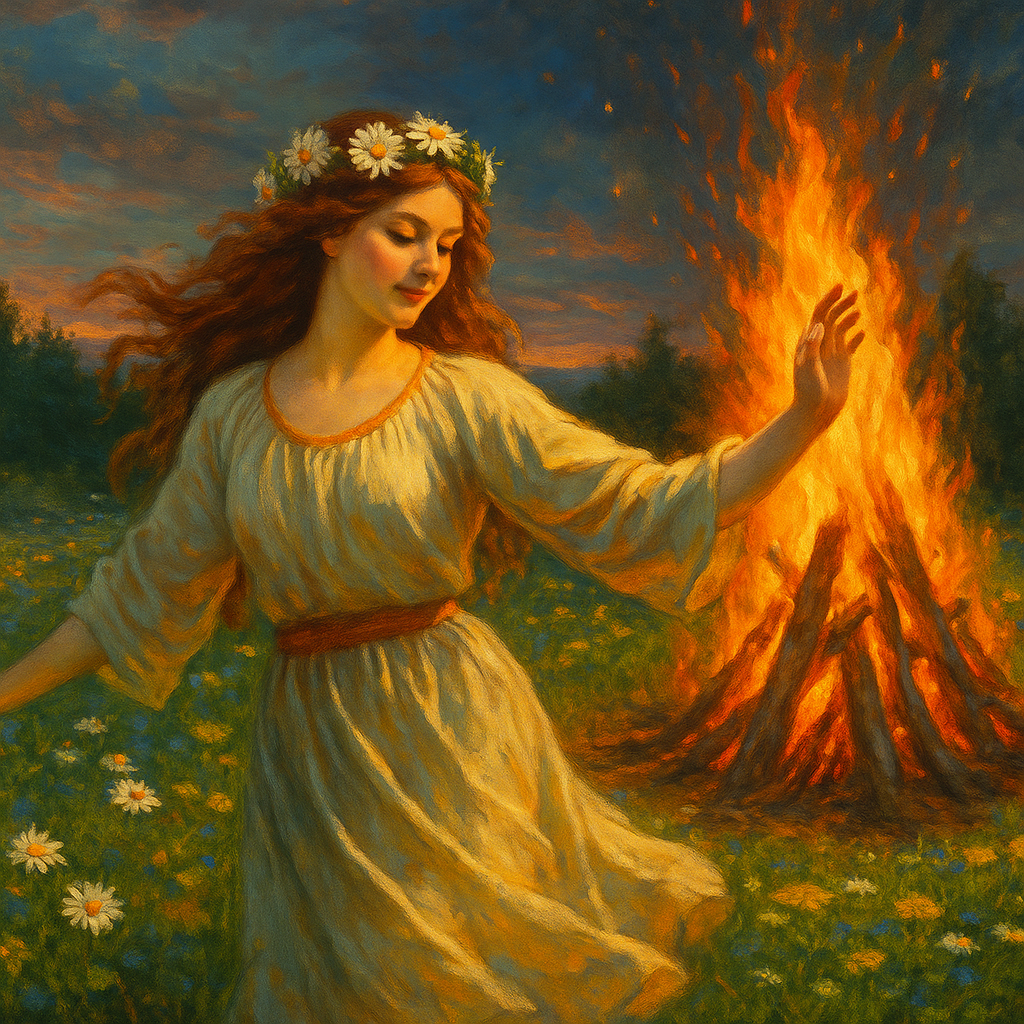
Inviting Inspiration and Clear Thought Through Air Magic
At dawn, when the first light spills over the horizon and the air is cool and trembling with promise, the East Wind awakens. It carries the scent of beginnings — of ideas not yet formed, of words about to be spoken, of the unseen stirring toward shape. This is the wind of inspiration, the sacred breath that moves through all creation. On April 8, as the Wheel of the Year spins through the awakening of April, we turn our attention to this force of clarity and movement, invoking the Threads of the East Wind to cleanse the mind, awaken creativity, and connect us to the vast intelligence of air.
In pagan and animist cosmologies, air is not emptiness but spirit — the medium through which thought becomes word, and word becomes world. It is the unseen yet essential element that links all beings; what one breathes out, another takes in. Air is communion, communication, the dance of the invisible. To work with it consciously is to align oneself with the flow of thought, inspiration, and intuition that surrounds us at every moment.
The East, as its cardinal direction, is the gate of dawn — the place of awakening, illumination, and renewal. The element of air rules intellect, song, movement, freedom, and perception. The spirits of this quarter are the sylphs — beings of pure air, curious and quick as the wind itself. On this day, we call them gently, not to bind but to befriend, asking for the clear breath of wisdom to move through us.
The Nature of the East Wind
Each wind has its character. The East Wind is often cool, bright, and mercurial. It does not linger long in one place; it carries freshness but also restlessness. In myth, the East Wind heralds change — sometimes gentle, sometimes startling — and always it brings awareness. Where it moves, stagnation cannot remain.
Spiritually, this makes the East Wind a perfect ally for mental clearing, decision-making, study, communication, and inspiration. It sweeps the cobwebs from thought and opens new pathways of understanding. But like all powerful forces, it demands respect: too much air can scatter, confuse, or detach. Balance is key. To call upon the East Wind is to invite both motion and mindfulness.
Invoking the Breath of Inspiration
Begin your work at dawn, or as close to sunrise as possible, when the light is pale gold and the air is at its most alive. Stand facing the East. Breathe deeply, drawing the air into your lungs with awareness. Feel it fill you — cool, clear, electric.
Raise your arms as if greeting the rising sun and say:
“From the gate of dawn I call thee,
Wind of the East, breath of awakening.
Clear my mind of shadowed thought,
Fill my heart with swift knowing.
Inspire, renew, and set me free.”
As you speak, imagine threads of light streaming toward you from the horizon — delicate filaments of wind weaving through your aura, untangling confusion, lifting the heaviness of worry. Each breath becomes a thread, connecting you to the greater web of air that encircles the Earth. You may feel a tingling at the temples or the nape of your neck, a lightness in your chest. These are signs that the East Wind has heard.
When finished, offer gratitude by exhaling gently toward the sky, whispering a single word of thanks.
Air Magic and the Mind
Air governs thought, logic, and communication — but it is not limited to the intellect. Its true wisdom is intuitive, arising in flashes of clarity. When the mind feels clouded or stagnant, it is often because the inner winds have grown still. The cure is movement: breathwork, song, writing, or simple walks outdoors.
On this day, dedicate time to mental cleansing. Open your windows to let the air circulate. Burn incense of lavender, lemongrass, or frankincense to refresh your space. You may even write down worries or mental clutter on scraps of paper and blow them away with a gentle exhalation or outside breeze. As they scatter, imagine the wind carrying them off to dissolve in sunlight.
If you work with divination tools — tarot, runes, pendulums — call upon the East Wind for clarity before your reading. A few deep breaths, a whispered invocation, or even waving a feather over your cards can align them with this element’s light. Air’s gift is insight, but it must have space to move; clutter, noise, and haste are its obstacles.
The Feather and the Quill
Symbols of air are everywhere: birds, wings, clouds, incense smoke, breath itself. The feather, in particular, carries potent magic. It is both earthly and ethereal — born of a creature who lives between land and sky. A single feather can serve as a wand of air, used to cleanse energy, bless spaces, or guide incense smoke during ritual.
For inspiration, keep a feather on your altar as a token of the East. When you feel blocked, hold it to your heart and ask: “What would the wind whisper to me now?” Then listen — not with ears, but with imagination. The thought that arises may be your message.
Writers and artists can also use this symbolism through the quill, ancient tool of both magic and art. The quill translates breath and thought into form — literally the movement of air transformed into ink and idea. If you write spells, poetry, or journals, treat the act as sacred. You are performing air magic every time your breath shapes words that move the world.
The Sylphs and the Spirits of Air
The sylphs, those luminous beings of the air, are said to be creatures of thought and sound. They move through the upper atmosphere and the breezes that brush the leaves. Though rarely seen, they can be sensed as sudden clarity, laughter in the wind, or a coolness that feels almost intelligent. They delight in music, poetry, and laughter — anything that vibrates lightly.
To honor them, play a flute, chime, or singing bowl outdoors. Let the sound drift upward as an offering. Whisper gratitude for the unseen intelligences that inspire your breath and speech. The sylphs respond not to command, but to beauty. When you create beauty with sincerity, you invite their company.
Meditation of the Threads
Find a place where the air moves — a hilltop, an open window, or beneath a sky of drifting clouds. Close your eyes and imagine thousands of fine, silvery threads stretching outward from you in all directions, connecting you to every living thing. Each breath you take sends light through these threads, brightening the web of life.
As you exhale, imagine your breath joining the wind, carrying your blessings across the world — to forests, cities, oceans, and distant hearts. This meditation reminds us that the air we breathe is shared by all beings, past and present. We inhale what the ancients exhaled; our breath mingles with theirs in eternal exchange.
The Wisdom of the East
The East Wind teaches that clarity is not cold detachment, but luminous presence. To think clearly is to see without distortion — not to escape emotion, but to understand its movement. Air, after all, is invisible yet everywhere; so too is the spirit. When we open to it, we find that inspiration is not something we chase, but something we allow.
On this day, cultivate that openness. Walk beneath open sky. Speak your dreams aloud into the wind. Trust that somewhere, those words become part of the great conversation of life. The wind remembers; it carries all prayers.
Closing Blessing
At sunset, as the East Wind softens and the sky fades to rose and gold, whisper a simple benediction:
“Wind of the dawn, wind of the mind,
I thank you for the truth I find.
Carry my words on your endless flight,
That thought may serve the heart’s clear light.”
Then breathe deeply once more, feeling the quiet within your chest echo the vastness of the open sky. You are thought and breath, silence and song — the living thread between Earth and Air.


Responses