🕯️ February 8 – Rites of the Rising Light: Creating Altars for Illumination and Balance

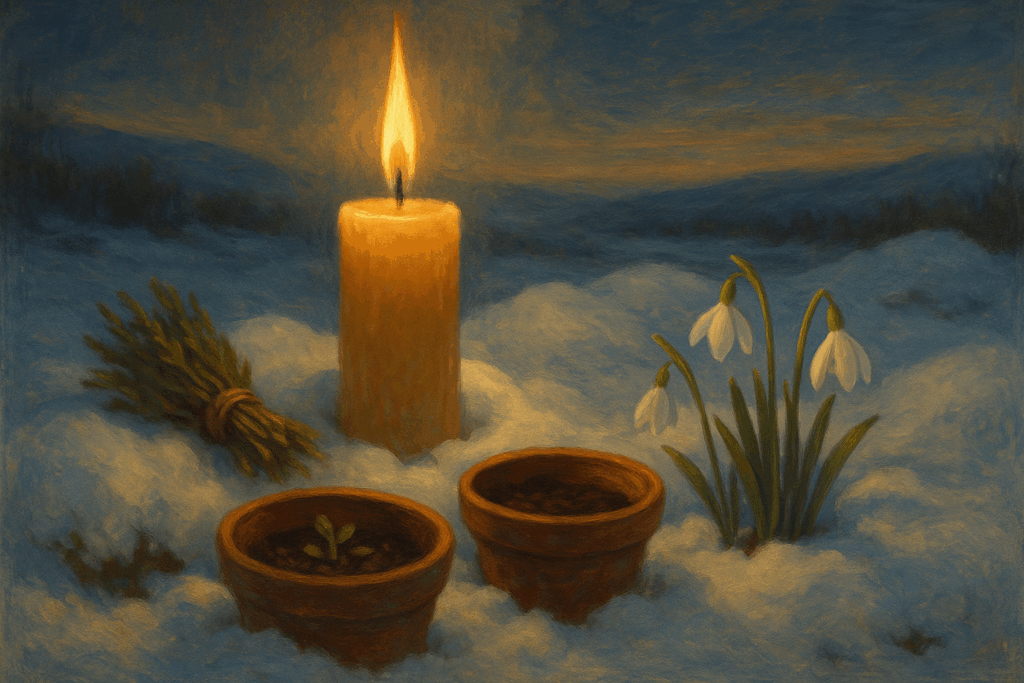
By the time February 8th dawns, the light that Imbolc promised begins to feel more tangible. The days stretch ever so slightly longer, the sun a little bolder in its arc across the sky. Though winter’s chill still clings to the land, there is now a discernible sense of balance — a soft equilibrium between dark and light, rest and renewal. This day, Rites of the Rising Light, invites us to consciously honor that balance by creating spaces — both physical and spiritual — that celebrate illumination, harmony, and the quiet majesty of returning life.
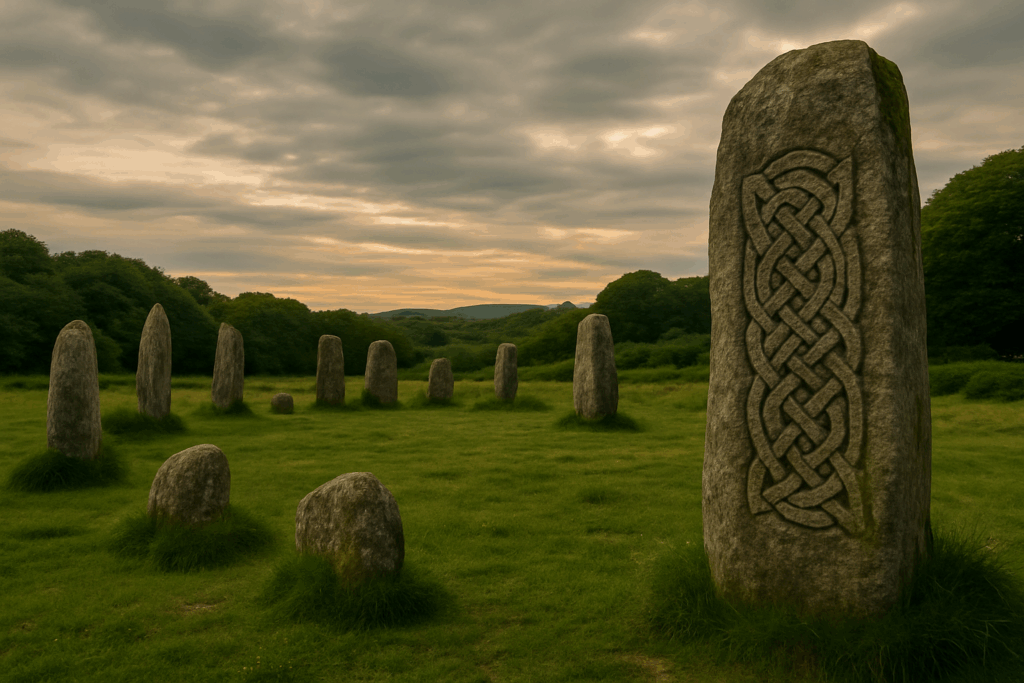
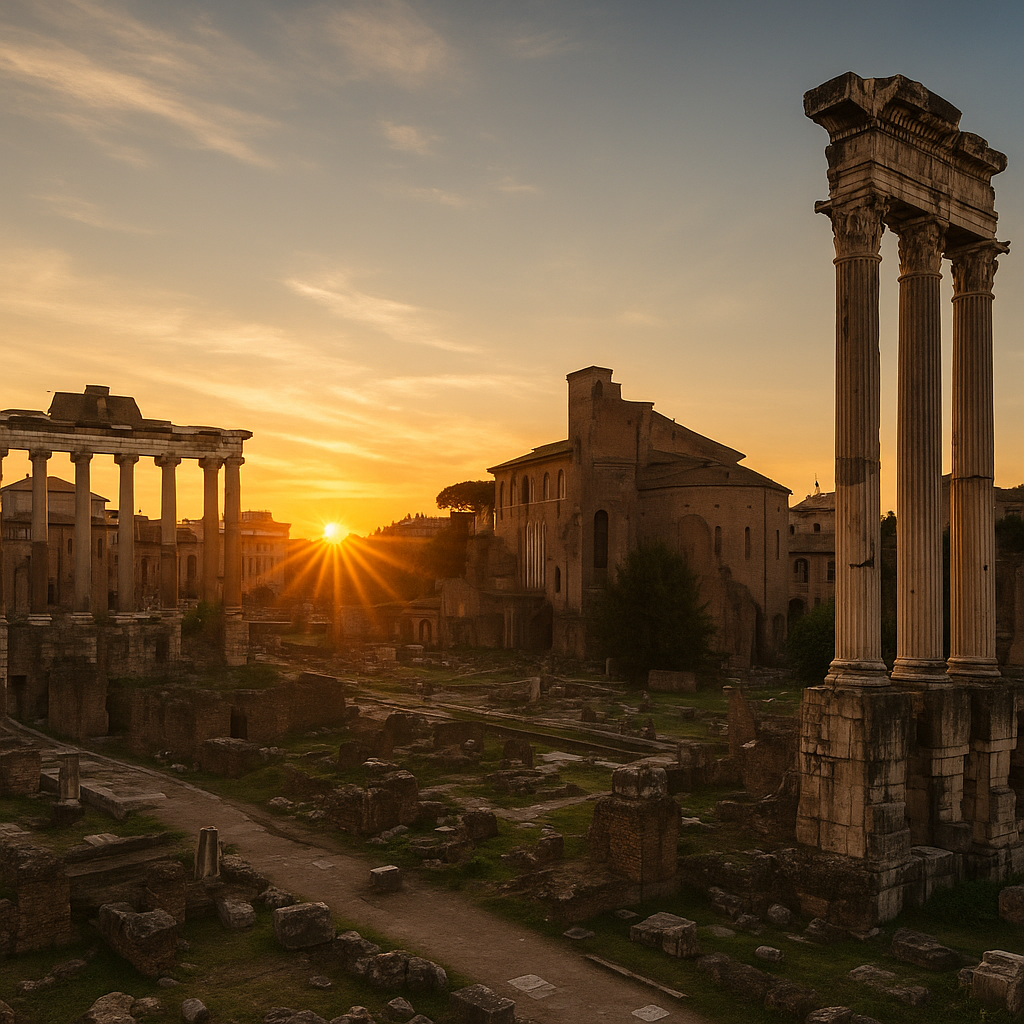
The Rites of the Rising Light are ancient in spirit, if not in name. They arise from humankind’s timeless impulse to give shape to reverence — to gather stones, branches, candles, and symbols into forms that mirror the cosmos. From the megalithic stone circles aligned with the sun’s ascent, to the humble household hearth where a single flame burns in devotion, all are reflections of one essential truth: light seeks acknowledgment. It does not demand worship but thrives in awareness. To craft an altar for illumination is to make a dwelling for that awareness — a place where the sacred light within and without can meet, converse, and co-create.
At Imbolc, this act takes on special resonance, for Brigid, the goddess of fire, poetry, and the hearth, is also a goddess of sacred space. Her light does not burn in isolation; it infuses the world with meaning. Every candle lit in her honor is a declaration that darkness and light are not enemies but partners in the eternal dance of transformation. To create an altar for the rising light is to align oneself with this dance — to stand between fire and shadow, knowing both are holy.
The Meaning of Illumination
Illumination is more than brightness; it is understanding, the inner kindling of awareness that allows the soul to see beyond the surface. The rising light of February is not the blinding blaze of summer, but a tender glow — a light that reveals without overwhelming. It teaches that awakening is often gradual, requiring both patience and humility. Spiritually, it mirrors the first flickers of insight that follow a time of reflection. After the introspection of winter, we begin to perceive new directions, new possibilities. The light grows not just in the sky but within us, guiding our next steps.
To honor this illumination, one may choose to create a Brigid altar dedicated to balance and light. Such an altar need not be elaborate; sincerity is its truest adornment. Begin with a white or gold cloth to represent purity and the sun’s returning strength. Place upon it three candles — one for body, one for mind, and one for spirit — symbols of harmony among all aspects of being. Between them, you may place a bowl of water, representing clarity and emotional flow, thus balancing fire with water. Add a stone, symbolizing groundedness, and a sprig of greenery, representing life’s endurance through winter.
When your altar feels complete, take a moment to center yourself. Light the first candle, saying:
“For the body, may strength awaken.”
Light the second:
“For the mind, may wisdom arise.”
And the third:
“For the spirit, may illumination unfold.”
Then pause to feel the equilibrium among them — the way their lights merge and yet remain distinct. This is the heart of the Rising Light: balance in diversity, harmony in multiplicity. Let the candles burn for a while as you reflect on where you might cultivate balance in your own life — between giving and receiving, work and rest, reason and intuition.
The Altar as Mirror
An altar is more than decoration; it is a mirror of the soul. The items you choose, their arrangement, and the energy you bring to the space all reflect your inner state. To tend an altar is to tend your spirit. The dust you clear from it symbolizes the clearing of confusion; the new candle you light represents fresh inspiration. In this way, the altar becomes a living embodiment of the rite of renewal.
Brigid’s altars, in particular, often include symbols of illumination and craftsmanship — a small piece of iron for her forge, a book or pen for her poetic flame, a bowl or cauldron for her healing waters. Each represents a facet of the creative fire she bestows upon her devotees. To integrate these into your altar today is to invite her threefold blessing: the spark of creation, the clarity of understanding, and the warmth of compassion.
When you look upon your altar, see it not as a fixed shrine but as an evolving landscape — one that changes with your own growth. As you move through the year, you may add new items, remove others, or shift their arrangement to reflect the inner seasons of your life. The rising light asks us to remain fluid, responsive, and awake to transformation.
Balancing Light and Shadow
While the theme of this day is illumination, it is crucial to remember that true balance includes shadow. The brilliance of the candle’s flame exists because of the darkness around it. In spiritual practice, this means acknowledging that both joy and sorrow, clarity and confusion, are integral to awakening. The light that rises within us is not meant to banish the dark but to guide us through it.
Brigid herself embodies this wisdom. As a goddess of both fire and healing, she teaches that purification comes not from denial but from integration. The forge requires both flame and metal, just as the heart requires both passion and patience. When creating your altar, consider placing a dark stone or piece of obsidian among the brighter elements — a reminder that shadow has its place in the tapestry of life.
Meditate for a few minutes before your altar, gazing at the interplay of light and dark. Ask yourself: Where in my life am I called to bring light, and where am I called to accept shadow? In this inquiry lies the true balance of the season — not perfection, but harmony.
Ritual of Illumination
To conclude your rite, stand before your altar and lift your hands to the candlelight. Breathe deeply and envision the light flowing into you, illuminating your mind, clearing your emotions, and warming your heart. Then speak aloud an affirmation of your connection to the light:
“I am the keeper of the rising flame.
I walk between day and night in peace.
May the light within me shine with wisdom,
And may its warmth bring balance to all I touch.”
As you finish, bow your head in gratitude — to Brigid, to the elements, and to yourself as a vessel of light. Extinguish the candles gently, one by one, saying:
“The flame returns to rest, but its light remains.”
In doing so, you acknowledge that the rite is not an ending but a continuation — that the sacred fire you kindled will continue to glow within your daily life.
Living the Balance
The Rites of the Rising Light are not confined to the altar; they extend into every action and choice. To live in balance is itself a ritual. When you pause between breaths, when you choose calm over haste, when you listen as much as you speak — these are acts of illumination. Every balanced act adds light to the world, as surely as any candle.
At dusk, you may wish to step outside and witness the twilight — that moment when the world itself embodies balance, holding both day and night in a single breath. This is the Earth’s own altar, vast and luminous. Feel your place within it and whisper a final blessing:
“Rising light, guide my way.
Teach me to shine without burning,
To see without blinding,
And to live in harmony with all things.”
As the stars appear, you will feel the calm assurance that the balance you sought is already within you — not as a perfect state, but as a living rhythm, a gentle pulse between effort and ease, silence and song.
In the days to come, your altar will remain a quiet beacon — a reminder that illumination is not a single act, but an ongoing relationship between your soul and the eternal fire that moves through creation. The Rising Light will continue to grow, both around you and within, until the world blossoms fully into spring.