🌾 July 2 – The Orchard’s Whisper

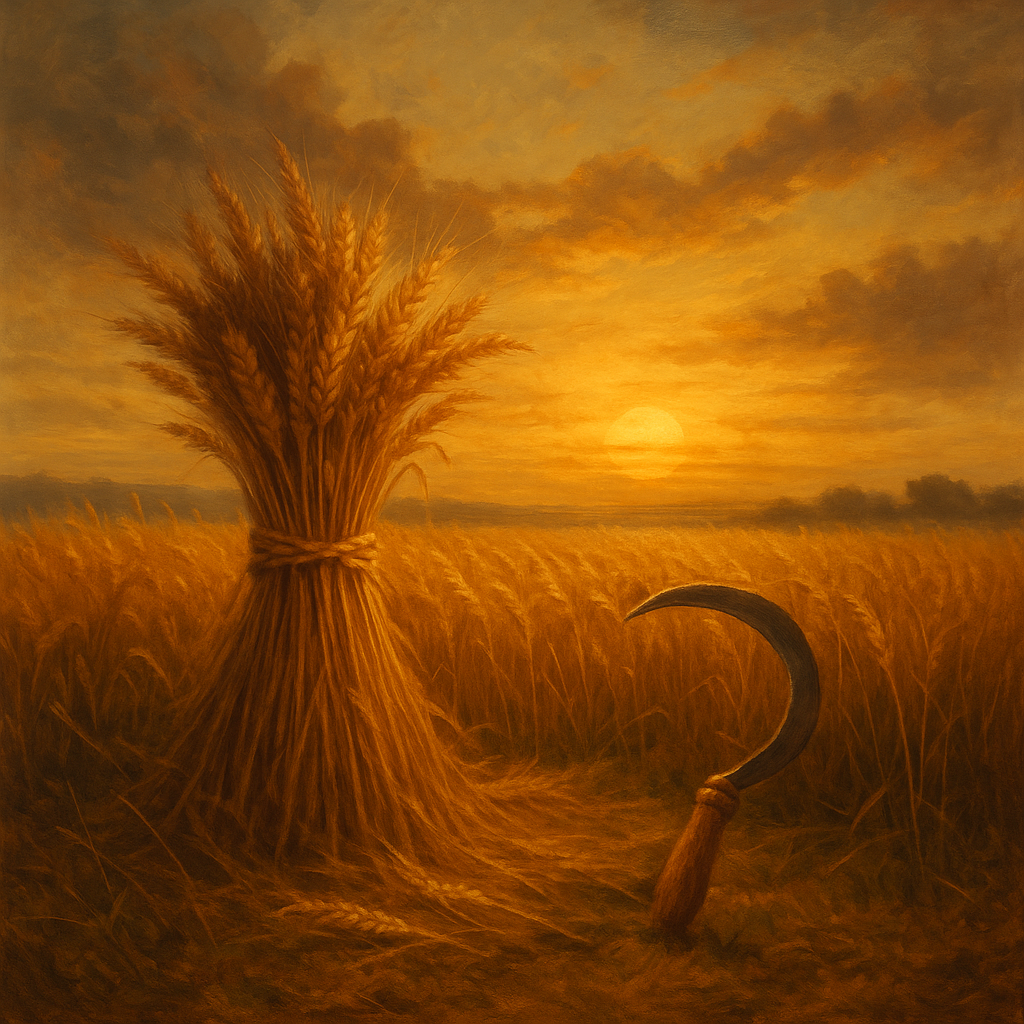
Communion with Fruit Trees and Spirits of Abundance
When the morning sun spills over the horizon on the second day of July, the world seems to breathe a little deeper. The air is sweetened by ripening fruit, the hum of bees drifts lazily through the green canopy, and somewhere in the quiet of an orchard, the Earth herself is whispering. The orchard is one of the oldest sanctuaries of humankind — a place of nourishment, magic, and memory. To walk among fruit trees at the height of summer is to enter a realm of communion, where abundance is not merely gathered but understood, honored, and shared. Here, the veil between the physical and spiritual worlds thins, and the spirits of the orchard — the dryads, the land guardians, and the ancestors of cultivation — speak softly to those who will listen.
The orchard is a living temple of balance. Each tree stands as both individual and part of the greater harmony, roots intertwined beneath the soil in silent kinship. Their fruits are offerings of the season’s labor — gifts that come not through haste but through patience and natural rhythm. In Pagan tradition, the fruit-bearing tree has long symbolized the cycle of giving and receiving, the principle of reciprocity that underlies all abundance. Apple, pear, plum, cherry, and fig — each has its spirit, its voice, and its ancient mythology. The apple, sacred to countless traditions, is a symbol of wisdom and immortality. The pear, with its graceful shape and gentle sweetness, embodies love and healing. The plum speaks of endurance and mystery, the cherry of fleeting beauty and joy, and the fig of fertility and divine sensuality. To commune with the orchard is to commune with the archetypes of life itself.
When we approach these sacred groves in mindfulness, we are invited to remember our partnership with nature. The spirits of the trees are not passive entities — they are guardians of the threshold between sustenance and spirit. The old folk knew this well. Before harvesting fruit, offerings of bread, honey, or milk were often poured at the base of the oldest tree as a gesture of gratitude. Songs would be sung, hands would touch bark with reverence, and the first fruits were left unpicked — a tithe to the unseen. Such practices remind us that abundance flows most freely when it is acknowledged as a shared blessing, not a possession.
To create your own orchard communion, begin with presence. Find a quiet place among trees — whether a sprawling orchard, a single apple tree, or even a potted citrus on your balcony. Approach it slowly, breathing in the scent of leaves and earth. Place your hand upon the trunk, and close your eyes. Feel the slow, steady pulse beneath the bark — the living current of sap rising like the lifeblood of the world. Whisper a greeting, not as a command but as an offering of friendship. Ask the spirit of the tree to share its wisdom. Then listen. The communication may come as a thought, a sensation, or simply a deep feeling of peace. The orchard whispers not in words but in resonance.
The lesson of the orchard is generosity. Each tree gives without expectation, offering fruit that nourishes countless beings — humans, animals, and insects alike. Yet the orchard also teaches discernment: fruit must ripen in its own time. We cannot rush sweetness, nor can we cling to it once it falls. The cycle of growth, ripening, decay, and renewal is mirrored in our own lives. Just as fruit returns its seed to the soil to begin anew, we too are called to release what is overripe within us — old habits, fears, and patterns — so that new life may take root. Abundance, then, is not about accumulation, but alignment.
Spiritually, the orchard’s whisper invites us to meditate on what abundance truly means. It is easy in the modern world to equate abundance with wealth or material gain, but nature’s teaching is subtler. True abundance arises from harmony — the interdependence of all beings. The bee’s labor, the rain’s fall, the sun’s warmth, the soil’s fertility — all weave together to create the sweetness of a single fruit. Likewise, our lives are shaped by countless unseen influences: kindnesses received, opportunities born of timing, the love of friends and family, the quiet endurance of our ancestors. Gratitude transforms these connections into gold.
A simple ritual to honor this day can be performed with fruit as your offering. Choose a piece that represents the season — perhaps an apple, peach, or plum. Hold it in both hands, breathing deeply. Visualize the energy of the sun that ripened it, the rain that nourished it, and the earth that cradled its roots. Speak your gratitude aloud for all forms of abundance in your life — not only material blessings, but emotional and spiritual ones. Then, either share the fruit with others or return a portion to the land as offering. This act of reciprocity aligns you with the natural rhythm of giving and receiving.
The orchard also teaches us about sweetness and restraint. In folklore, to overharvest or waste fruit was to invite the displeasure of the orchard spirits. Abundance must be met with responsibility — an understanding that excess without gratitude leads to imbalance. This is why the best time to honor the orchard is at dawn or dusk, when light and shadow are equal, symbolizing balance between consumption and reverence. The whisper of the trees during these hours carries lessons of patience, harmony, and respect.
Listen closely, and you may hear more than the rustle of leaves. There is wisdom in the hum of bees, in the soft fall of fruit, in the dance of light upon the branches. The orchard speaks of trust — that nature knows when to give and when to rest. As we cultivate this same trust within ourselves, our own creative and spiritual “harvests” come with greater ease. We learn that forcing outcomes only bruises the fruit, while faith allows life to unfold in its own ripening time.
As the sun sets and the orchard darkens, take one final moment of communion. Sit beneath a tree and feel its shadow embrace you. Reflect upon the abundance in your own life — not just what you have, but what you are becoming. In the stillness of that moment, imagine the whisper of the orchard weaving through your spirit, reminding you that all things grow in cycles, and that the sweetest fruits are born of patience, gratitude, and care.
The Orchard’s Whisper is a hymn to generosity, interconnection, and quiet devotion. It reminds us that to live abundantly is not to hoard, but to share; not to take without thought, but to participate consciously in the dance of creation. When you next taste the sweetness of fruit, let it be a reminder of this sacred truth: every gift from the Earth carries the breath of spirit, and every act of gratitude feeds the soul of the world.