🌦️ April 22 – Earth Mother’s Day

Honoring Gaia through Acts of Healing and Sustainability
Each dawn, the Earth breathes — a slow, steady rhythm beneath our feet, unseen but felt by every living thing. The wind moves through her forests, rivers pulse like veins, and mountains stand as the bones of her being. To the pagan soul, this is not metaphor but truth: the Earth is alive. She is the first Mother, the original Goddess, the body of all existence. On April 22, celebrated around the world as Earth Day, we approach it as Earth Mother’s Day — a time not for passive admiration but for active devotion, a day to honor Gaia through tangible acts of healing, gratitude, and sustainability.
The Living Goddess
In ancient times, the Earth was not viewed as resource but as relationship. She was Gaia to the Greeks, Danu to the Celts, Nerthus to the Norse, Pachamama to the peoples of the Andes. She has been worshiped under countless names, yet her essence remains one — the consciousness of the planet itself, the divine intelligence that births and nourishes all forms of life. To honor the Earth Mother is to recognize that divinity is not distant but beneath us, around us, and within us.
In pagan cosmology, the Earth is not simply matter but sacred matter — animated, ensouled, and responsive. She listens. She feels. When we harm her ecosystems, she ails. When we restore them, she heals — not as abstraction, but as a living organism in which we are participants. Spiritual maturity begins when we move from seeing the Earth as “environment” to understanding her as kin.
Reverence through Relationship
Earth Mother’s Day calls for more than ritual; it calls for relationship. To revere the planet is to live as though every action is an offering. The way we walk, eat, build, and consume becomes an extension of our spirituality. There is no separation between the sacred and the practical — every gesture is a prayer if performed with awareness.
A simple act such as planting a tree becomes both ecological service and ritual devotion. Cleaning a local river or composting food waste becomes alchemy — transforming decay into new fertility. Even choosing sustainable materials, reducing plastic, or honoring local wildlife can be done as offerings to the Earth Mother. The key lies in intention. Paganism teaches that energy follows focus: when we do good for the Earth consciously, the act becomes sacred.
A Ritual for Gaia
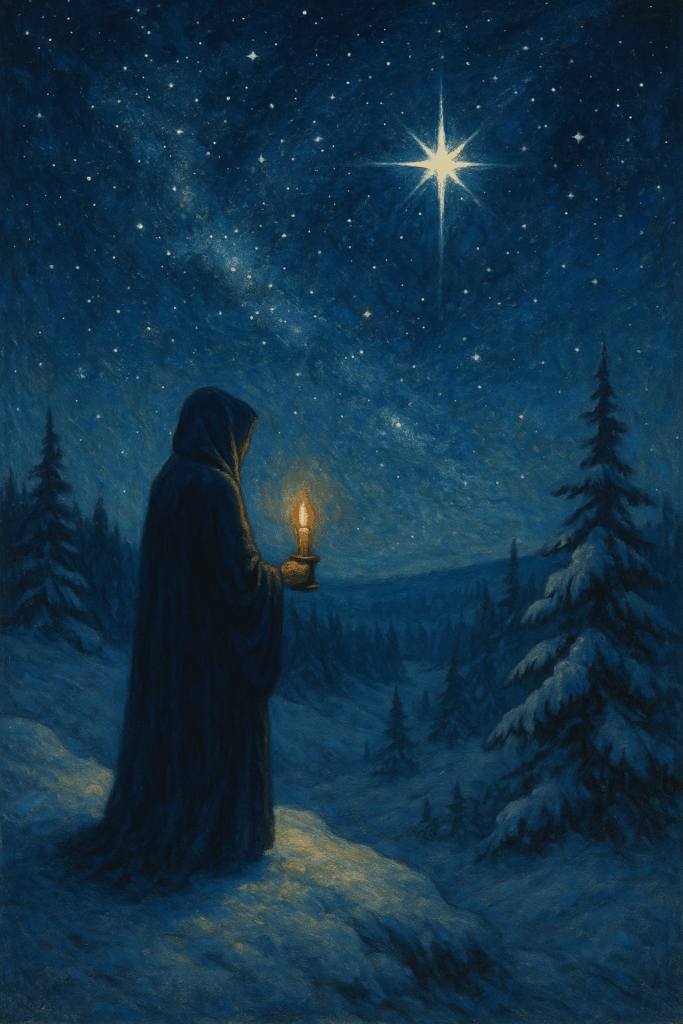
Begin your Earth Mother’s Day at sunrise if possible, when the world itself awakens. Step outdoors — even a balcony, garden, or patch of soil will do. Bring a bowl of water, a handful of soil, and a small candle or lantern.
Face the east, where the light is born, and say:
“Mother of all, whose breath is dawn,
Your life and mine are one.
Through leaf and tide, through flame and stone,
I honor you, eternal home.”
Touch the earth and feel her pulse. Take a moment of silence to listen — to birds, to wind, to the quiet hum that exists beneath sound. This is her heartbeat. When you are ready, pour the water upon the ground and whisper:
“For what I take, I now give back.
May this act mend what others lack.”
Light your candle as symbol of commitment — a vow to act with awareness in the days ahead. Hold it briefly to your heart and say:
“May this flame remind me:
I am not apart from the Earth,
But a cell in her body,
A breath in her endless sky.”
Let the candle burn safely as you meditate, visualizing the Earth as radiant, whole, and thriving. See forests regrown, oceans clear, communities united in reverence. The images you hold shape reality, for vision is the seed of creation.
Healing as Devotion
The modern world often separates spirituality from responsibility, but in Earth-centered practice, they are one. Healing the planet is not optional; it is devotion in action. Whether tending a garden or supporting rewilding projects, every gesture rooted in care becomes ritual. The Earth Mother does not demand grand offerings — she asks for sincerity, consistency, and love.
Consider small, sustainable commitments that reflect this. Begin composting, plant pollinator flowers, reduce consumption, or dedicate a day each week to living gently — eating locally, using natural materials, walking instead of driving. Each step returns energy to the cycle of balance. These are not chores but offerings, ways of saying, “I remember.”
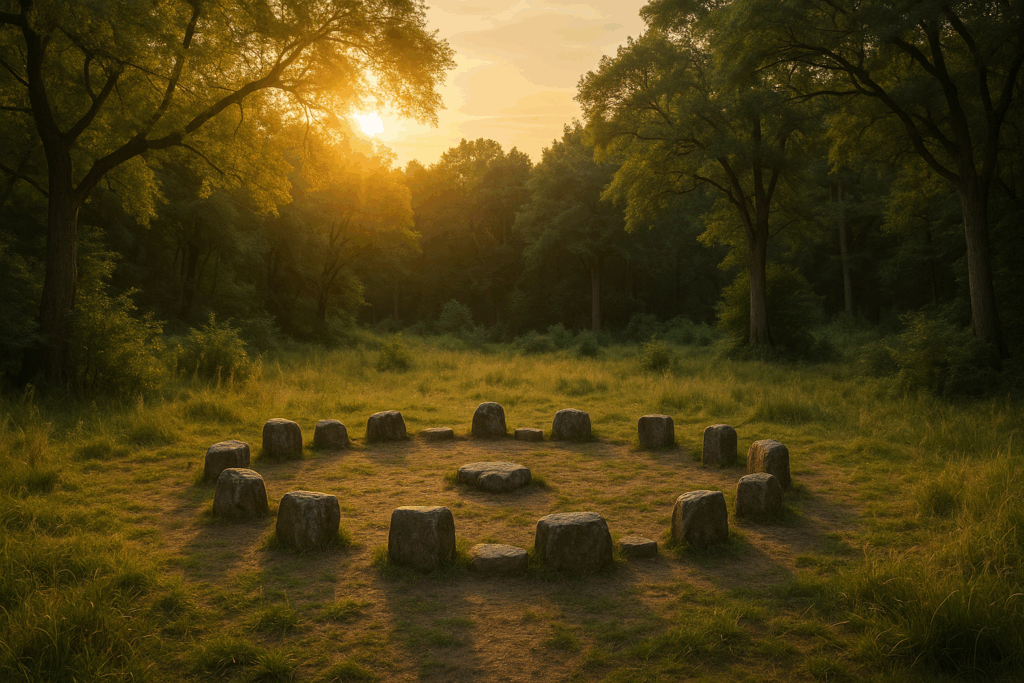
If you are part of a group or coven, consider holding a communal ritual of gratitude — a circle outdoors where each participant offers a blessing or pledge. Shared energy amplifies intention, creating ripples of healing beyond the visible.
The Sacred Ecology
Paganism views ecology as sacred order. Every being — from mountain to moss, beetle to human — plays a role in the great interdependence. The health of one affects the whole. This awareness is at the core of druidic and animist philosophy: the recognition that spirit flows through all things equally.
Spend part of Earth Mother’s Day in silent observation. Sit by a tree, a stream, or even an urban park, and simply watch. Notice how the wind stirs leaves, how insects move with purpose, how even decay feeds life. This mindfulness practice cultivates empathy for the planet — not the sentimental kind, but the intimate awareness that you are witnessing your own body in another form.
If the world feels wounded, remember: so does she, and she heals through us. Our awareness is her awakening. Our hands are her tools. To love the Earth is not to worship from afar but to participate in her restoration.
The Balance of Giving and Receiving
Earth Mother’s Day also invites reflection on the balance between giving and receiving. The Earth gives endlessly — food, air, water, shelter, beauty — yet modern life often takes without acknowledgment. Spiritual restoration begins with gratitude.
Make time to offer thanks aloud: to the soil that holds your feet, to the rain that fills your cup, to the sunlight that nourishes your body. Speak your gratitude with sincerity, for words carry power. Even silent appreciation, felt deeply, shifts the vibration of the heart and environment alike. The Earth hears.
In return, be willing to receive her gifts consciously. Let yourself feel nurtured by her beauty. Touch the bark of a tree, breathe in the scent of wildflowers, let sunlight rest upon your skin without distraction. This receptivity completes the sacred cycle — the eternal giving and receiving that sustains all existence.
Gaia’s Message of Renewal
Every April, when the planet blooms again, Gaia whispers her eternal teaching: Nothing is wasted; all things transform. Death feeds life, storms clear the air, fire renews the forest. Even our mistakes can compost into wisdom if we return to awareness. Sustainability, in its truest sense, is spiritual practice — living in ways that allow regeneration rather than depletion.
In meditation, imagine Gaia not as wounded victim but as resilient teacher. She has survived cataclysms far beyond human imagining. She endures through adaptability and cooperation. Her message is one of endurance and hope: that life, when aligned with balance, will always find its way.
Closing Blessing
As dusk falls, step outside once more. Place your hand on the ground and whisper:
“Mother Earth, ancient and wise,
Through you I live, through you I rise.
May my hands bring healing,
My choices bring care,
My life be your prayer.”
Leave an offering — seeds, flowers, or a promise spoken into the soil. Then look up at the stars, the distant fires that shine upon her endless skin. You are part of this vast, living body — a cell of her consciousness, a voice in her song.
To honor the Earth Mother is to live awake. Every act of kindness, every mindful choice, every moment of awe is her worship. The truest ritual is the life that remembers her with every breath.