☀️ June 24 – Waters of St. John — Midsummer Dew and Purification through Morning Rituals

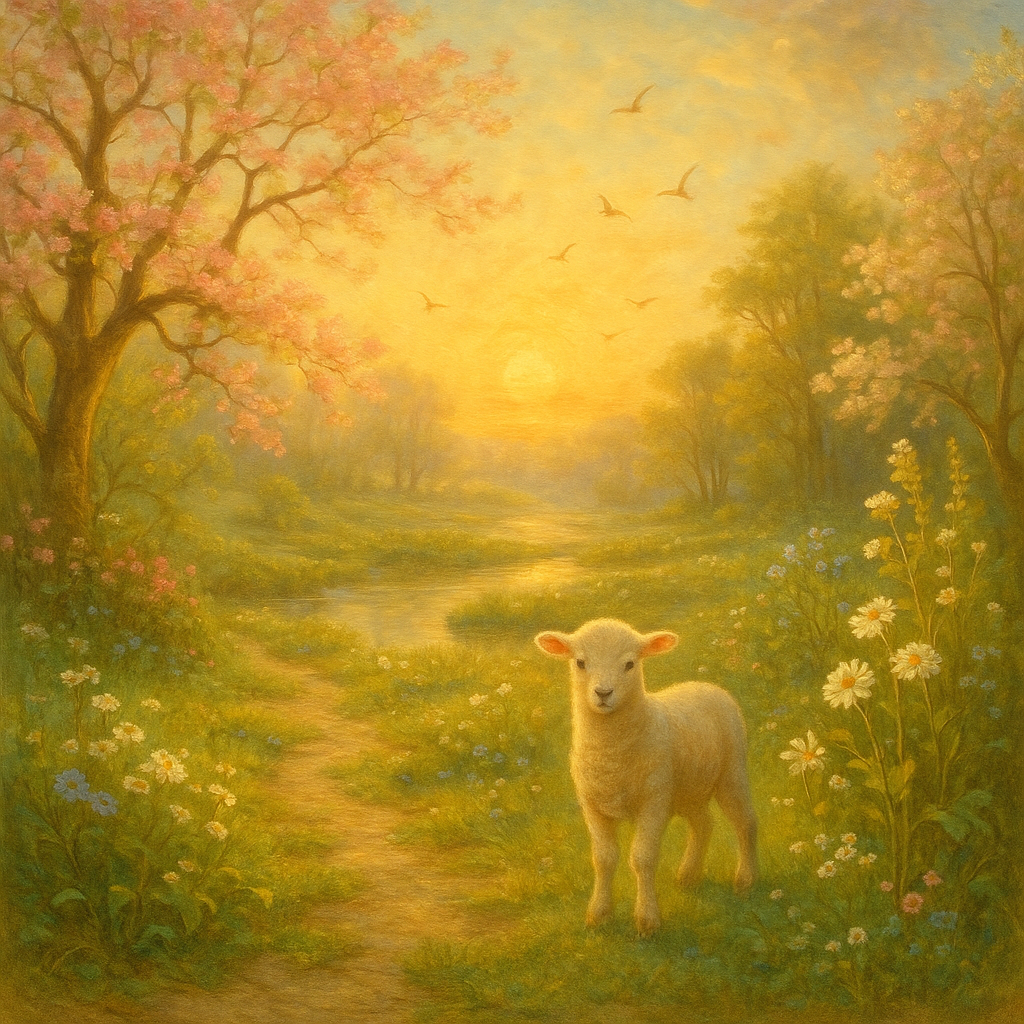
The twenty-fourth day of June dawns silver and serene, carrying the hush of something sacred. The revelry of Litha and the Faery’s Dance has softened into a luminous stillness — a pause between the festival’s fire and the gentle return of the sun’s daily rhythm. The air feels cool, the light pearlescent, and the earth glistens with dew, as if the heavens themselves have anointed the world. This is The Waters of St. John, the morning of midsummer purification and blessing — a day of washing away weariness, gathering dew for magic, and renewing the bond between body, spirit, and earth.
Though Christian in later name, the celebration of this day reaches deep into pagan roots. Long before St. John’s Feast, our ancestors rose early on midsummer mornings to gather dew of power from the grass and flowers, believing it carried the essence of sunlight and moonlight united. This dew was said to heal illness, preserve beauty, and purify the soul. It was the distilled life force of the season — the very breath of the earth condensed into shimmering drops. To bathe one’s face or body in this sacred moisture was to absorb the vitality of nature herself. Today, we continue this ancient rite not as mere superstition, but as living ritual — an act of communion and renewal beneath the rising sun.
Before dawn, step outside. The world will be hushed, painted in soft shades of blue and gold. Kneel upon the grass or bend close to the leaves and gather the morning dew. Use a clean cloth, your hands, or a small glass bowl to collect it. Move slowly, reverently — as though harvesting light. Whisper:
“Waters of dawn, tears of the earth,
Gift of life and sacred birth.
I gather you in love and grace,
To bless my heart, my hands, my face.”
When you have gathered enough, anoint your skin with the dew — your brow, lips, heart, and palms. Feel the coolness awakening you, cleansing not just your body but your spirit. The dew carries the essence of transition — it is night becoming day, moisture becoming light. It teaches that purification is not punishment, but a gentle return to clarity. As the drops absorb into your skin, say softly: “As the morning renews the world, so am I renewed.”
If the morning is dry or you dwell in a place without dew, you can create your own Midsummer Water. Fill a bowl with fresh water the night before, leaving it under the open sky to absorb moonlight, then place it in the early sun at dawn. The blending of lunar and solar energy imbues it with the same essence as natural dew. Use this water for cleansing, blessings, or to consecrate tools for the second half of the year.
The Waters of St. John also carry deep symbolism of balance — the joining of opposites in harmony. Fire and water, sun and dew, spirit and matter — all flow together in this rite. The world, still glistening from its night of celebration, now begins its slow return toward stillness and introspection. This morning reminds us that the fire’s brilliance must be balanced by water’s grace, that the ecstatic joy of midsummer must give way to calm reflection. Purification is not about removing what is impure, but about restoring alignment with the natural flow of life.
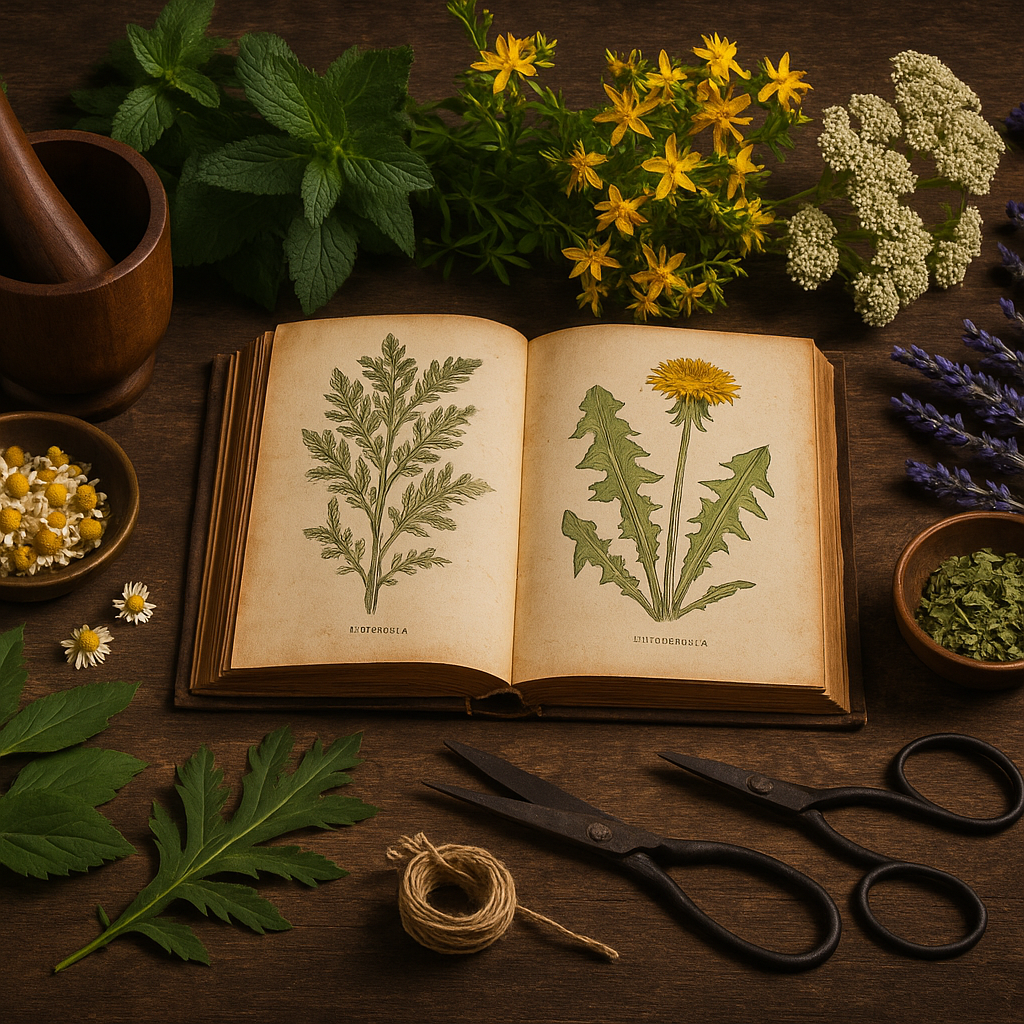
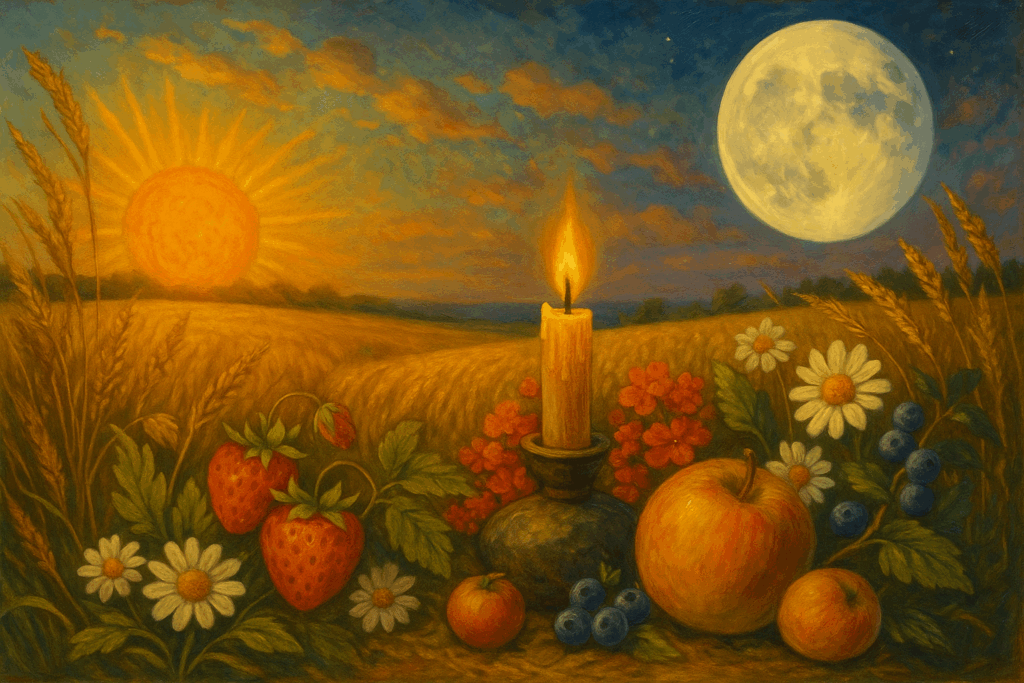
After your dew-gathering, prepare a Ritual of Renewal. Upon your altar or a small outdoor table, place a bowl of your gathered water, a white candle, and fresh herbs such as mint, chamomile, or yarrow. Light the candle and say:
“Flame of the sun, mirror of the dawn,
Bless this water with your fire.
May all within me be cleansed and whole,
As day and night conspire.”
Then dip your fingertips into the water and flick it gently around your space — over doors, windows, and thresholds — to purify and bless your home. You may also sprinkle it over plants, tools, or yourself, whispering: “The light within me is clear and bright. I walk in grace, in peace, in right.” Allow the candle to burn as you sit in quiet meditation, watching the sunlight grow stronger.
Historically, midsummer dew was also used for healing and beauty magic. Folk traditions tell that women would bathe their faces in it to preserve youth, and healers would gather it for use in tinctures and potions. While modern witches may not seek immortality in the morning mist, we can still draw upon its symbolic meaning: renewal, vitality, and natural grace. To create a simple charm for ongoing balance, collect your dew or blessed water in a small vial. Add a sprig of mint or rosemary and seal it with wax. Carry it as a charm for clarity and energy, or use it later to anoint candles for healing work.
The Waters of St. John also invite gratitude. Water is life — humble, fluid, unending in its cycles. Take a moment to thank the elements that sustain you: the air that fills your lungs, the earth that bears your weight, the fire that warms your blood, and the water that flows through all things. Speak aloud or silently:
“Sacred elements, I thank you.
May my life flow in harmony with yours.
May I never forget that I, too, am part of the circle.”
After the purification, enjoy a simple breakfast of fresh fruit, bread, and honey — foods that celebrate the sweetness of the season. Eat mindfully, acknowledging each bite as sacred nourishment. You have cleansed yourself not to become empty, but to become receptive — a vessel ready to receive new blessings as the wheel continues to turn.
As the day unfolds, notice how everything seems more vivid. Colors appear sharper, sounds clearer. This is not imagination — it is awareness. The dew has washed your senses, and you stand renewed, attuned to the subtle holiness of the ordinary. Every glint of sunlight, every droplet on a leaf becomes a reminder that purification is not about perfection, but presence.
When evening comes, you may choose to close your observance with a final offering. Pour any remaining water upon the ground, saying: “As I am cleansed, so is the earth renewed. May peace flow through all that lives.” Watch as the last light of the day touches the water before it sinks into the soil. The cycle is complete — the fire of the solstice now balanced by the water of reflection.
The Waters of St. John remind us that life’s truest magic is found in the meeting of elements — in the dew that unites night and dawn, in the heart that holds both joy and quietude, in the spirit that learns to flow rather than to burn. To cleanse is to remember that you are part of the living rhythm, a current of the same great river that has always been and always will be.
So step gently into this new day, washed in light, crowned with clarity. The sun still shines, the water still flows, and the world — once more — is new.